

World · Latin America · 3 hrs ago
WHO chief urges U.S. to lift fuel blockade on Cuba over health risks
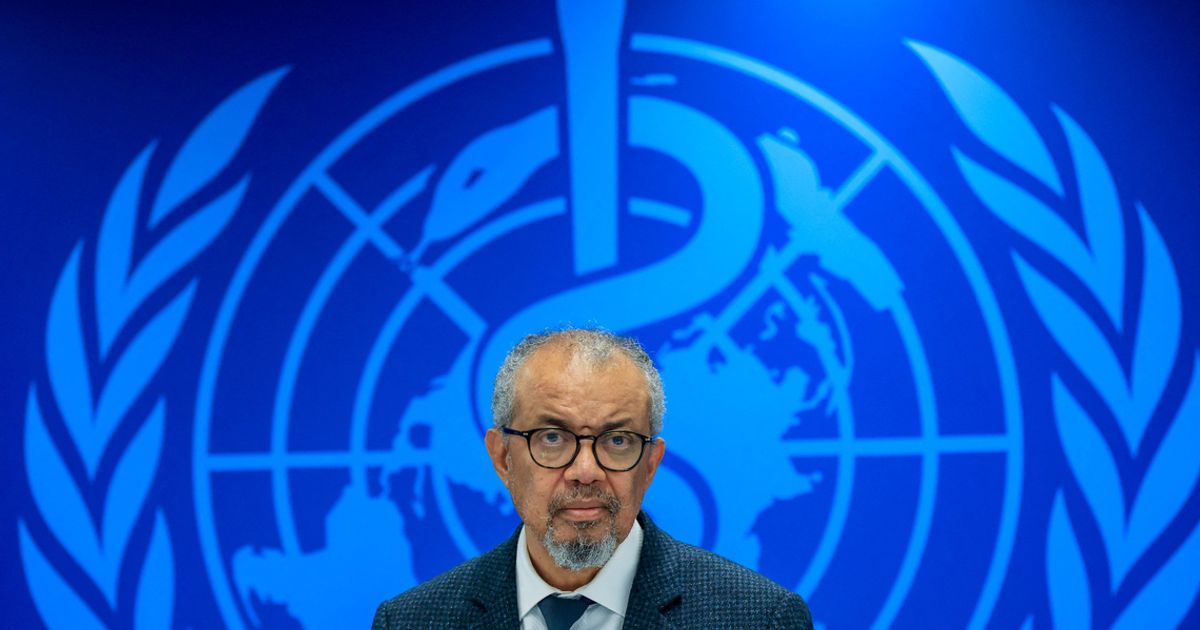
WHO chief Tedros Adhanom Ghebreyesus urged the United States to lift its fuel blockade on Cuba during a visit to Havana.
He warned that fuel restrictions and sanctions are putting children and other vulnerable people at risk.
The WHO plans to provide $2 million for immunisation and medical equipment in Cuba.
The Cuban government says sanctions have contributed to long power outages and shortages of medicines and surgical supplies.
The United States says the measures aim to bring political change and that food and medicine exports are legally exempt.
The UN has repeatedly warned of a humanitarian crisis and called the blockade a violation of international law; its General Assembly has backed ending the U.S. embargo in non-binding votes since 1992.
Tedros met Cuban President Miguel Díaz-Canel to discuss health needs, and the WHO said it would prioritise essential services and urgent care, particularly for children.

WHO chief Tedros Adhanom Ghebreyesus urged the United States to lift its fuel blockade on Cuba, warning that restrictions were endangering lives, including children’s.
Tedros made the call during a visit to Cuba that included tours of healthcare facilities in Havana.
The WHO said it would contribute $2 million to support Cuba’s immunisation programme and provide medical equipment.
Cuba’s government says the measures have contributed to power outages, shortages of medicines and surgical supplies, and worsening health indicators.
Washington says the blockade is intended to push for political change and that food and medicine exports are legally exempt.
- Who
- WHO chief Tedros Adhanom Ghebreyesus called for the blockade to be lifted.
- What
- He urged the United States to end its fuel blockade on Cuba, citing harm to health and risks to children.
- When
- Tuesday, November 24, 2026.
- Where
- Cuba, including healthcare facilities in Havana.
- Why
- Tedros said fuel restrictions and sanctions were causing direct harm and endangering lives. Washington says the blockade is intended to push for political change.
Cuban government and WHO
United States
Impact of restrictions
Cuban government and WHO
Cuba’s government says the measures have contributed to prolonged daily power outages, shortages of medicines and surgical supplies, and declining health indicators. WHO chief Tedros says the restrictions are causing direct harm and endangering lives.
United States
Washington says the energy blockade is intended to push for political change on the island.
Food and medicine exports
Cuban government and WHO
The UN has called the blockade a violation of international law and the human rights of Cubans.
United States
Washington says food and medicine exports are subject to legal exemptions.
The Trump administration imposed a fuel blockade and stiff sanctions against Cuban officials and entities.
Tedros called for the blockade to be lifted during a visit to Cuba that included tours of healthcare facilities in Havana.
Tedros met with Cuban President Miguel Diaz-Canel to discuss the country’s health needs.
Tedros said the WHO would contribute $2 million to support Cuba’s national immunisation programme and provide medical equipment.
- WHO chief
- Tedros Adhanom Ghebreyesus
- WHO contribution
- $2 million
- Cuba life expectancy
- 78.8 years in 2020; 74.4 years in 2025
- Reported power outages
- 20 hours or more daily, according to Cuba’s government
- UN General Assembly resolutions
- Annual non-binding resolutions calling for an end to the US embargo have passed in favour of Cuba by wide margins every year since 1992
3 sources
What people are saying
The intensification of fuel restrictions and sanctions is causing direct harm to the Cuban people, especially the most vulnerable
It is endangering their lives, including the lives of children.
We agreed on the need to prioritise essential health services and time-sensitive interventions, particularly for children
Fuel restrictions and sanctions affecting the purchase of medical products are severely impacting the health system that Cuban doctors have built over decades.