

Science & Tech · Science & Environment · 5 hrs ago
Wadden region has reduced light pollution, but more work remains
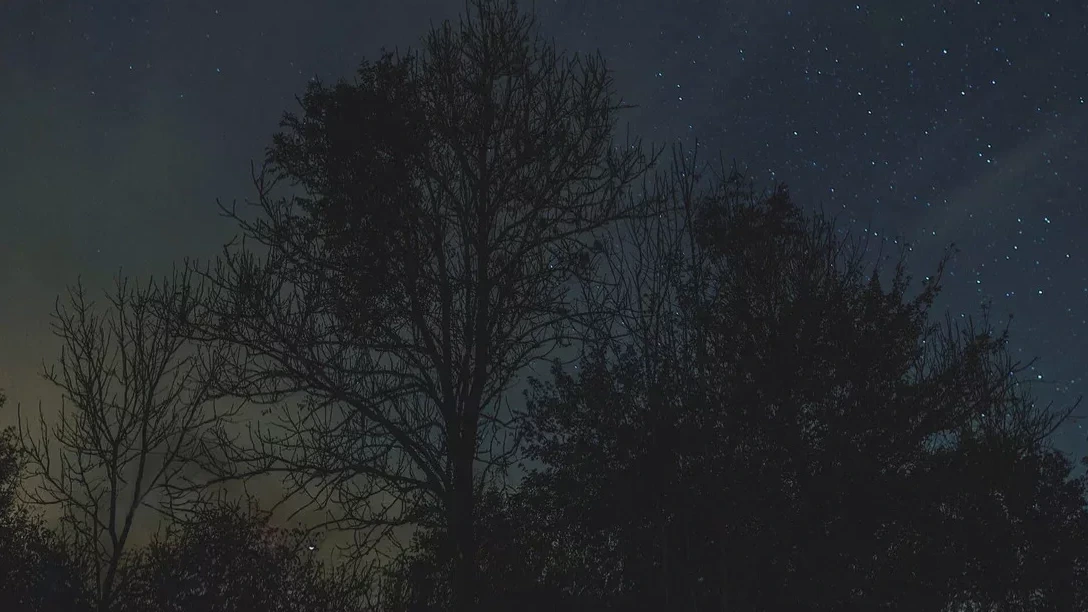
In October 2016, 43 organisations agreed to protect darkness in the Wadden region of the Netherlands.
They are working to reduce excess artificial light from street lamps, signs, buildings and other sources.
Too much light can disrupt the natural rhythms of animals and plants, and make stars harder to see.
Some coastal areas have changed their lighting, but new business parks are adding more light sources.
In the port of Lauwersoog, businesses set a goal in 2023 to cut light emissions by 50 percent within three years.
They have adjusted or dimmed lights and added motion sensors, and the Milky Way became visible during a 2024 lights-out event.
Measurements by researchers at the University of Groningen found that light levels there are now lower, while experts say more improvements are possible.

Ten years after 43 organizations agreed to protect darkness in the Wadden region, experts say progress has been made but more work remains.
The agreement was signed in October 2016 to combat light pollution and preserve darkness.
An ecologist says lighting is being managed more carefully in some coastal areas, including Harlingen harbour and islands with green streetlights.
In Lauwersoog harbour, businesses have changed or dimmed lights and installed motion sensors as part of a plan to cut light emissions.
Measurements by researchers at the University of Groningen show there is now less light in the harbour.
- Who
- 43 organizations signed the 2016 agreement. Businesses in Lauwersoog have also worked to reduce light pollution.
- What
- The Wadden region has reduced some light pollution, but experts say further improvements are possible.
- When
- The agreement was signed in October 2016. Lauwersoog businesses began taking action in 2023.
- Where
- The Wadden region, including Lauwersoog harbour.
- Why
- To protect darkness and reduce the effects of excess artificial light on wildlife and visibility of stars and planets.
This story does not have two clearly opposing sides.
43 parties signed an agreement called Dark Sky World Heritage Wadden Sea Region.
Lauwersoog businesses decided to address light pollution in the harbour through a plan aiming to cut light emissions by 50 percent within three years.
During the Night of the Night, Rijkswaterstaat and Wagenborg shipping company switched off as much harbour lighting as possible for an hour.
The agreement reached its tenth anniversary.
- Signatories
- 43 parties
- Agreement signed
- October 2016
- Lauwersoog target
- Reduce light emissions by 50 percent within three years
- Lauwersoog measures
- Adjusted or dimmable lights and motion sensors
- Measurement finding
- University of Groningen researchers found less light in the harbour
What people are saying
I think, for example, of the harbour of Harlingen, or the islands where there are green streetlights
There is still room for improvement
When the clouds cleared, the Milky Way became visible above Lauwersoog