

Business · Trade · 4 hrs ago
EU delays stricter emissions calculations for some plug-in hybrids until 2030
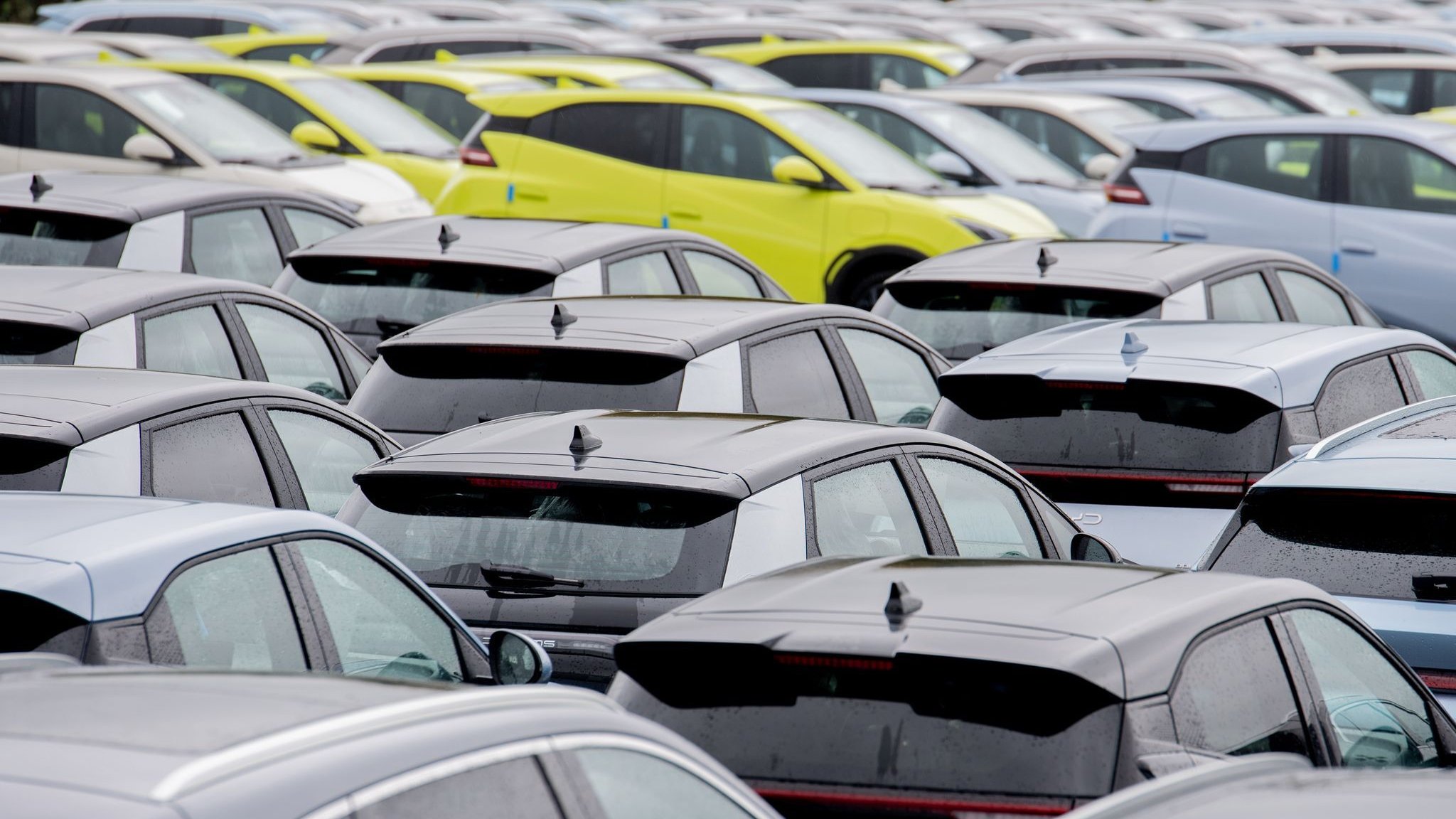
The European Commission plans to delay stricter CO2 calculations for some plug-in hybrid cars until 1 January 2030.
The change applies to models with at least 80 kilometres of electric range.
Plug-in hybrids have both an electric motor and a petrol or diesel engine, and can be charged from an external power source.
The calculation estimates how much a car is driven on electric power and affects its official CO2 figure.
Real-world data indicate many hybrids are charged less often and use their combustion engines more than earlier estimates assumed, so the stricter calculation would make it harder for carmakers to meet fleet emissions targets.
The Commission says the delay will give manufacturers time to invest and encourage longer electric ranges, while the car industry group VDA says the delay through 2029 is not long enough for planning.
EU countries and the European Parliament can still object before the Commission adopts the legal measures.

The European Commission plans to delay stricter emissions calculations for some plug-in hybrids until 1 January 2030.
The delay applies to plug-in hybrids with an electric-only range of at least 80 kilometres.
The change was originally due to take effect on 29 November 2026.
The Commission says the delay will give manufacturers time for investment and encourage vehicles with longer electric ranges.
The German automotive industry welcomed the delay but said the measure does not provide enough planning certainty, while Transport & Environment warned that actual emissions could remain underestimated.
- Who
- The European Commission proposed the delay. It concerns manufacturers of qualifying plug-in hybrids.
- What
- The Commission plans to postpone an update to the Utility Factor used to calculate plug-in hybrids’ emissions.
- When
- The change is planned for 1 January 2030, rather than 29 November 2026.
- Where
- The proposal concerns the European Union.
- Why
- The Commission says the delay will give manufacturers more time for investment and encourage longer electric ranges.
German Association of the Automotive Industry (VDA)
Transport & Environment
Planning certainty
German Association of the Automotive Industry (VDA)
The VDA welcomed the delay but said its limit through 2029 does not give industry enough planning certainty.
Transport & Environment
Transport & Environment urged Germany to keep the correction, saying otherwise actual emissions would continue to be underestimated.
Effect on drivers
German Association of the Automotive Industry (VDA)
The VDA said stricter calculations could make plug-in hybrids less attractive to consumers.
Transport & Environment
Transport & Environment said drivers could pay more to fuel their cars than manufacturers indicate.
The stricter Utility Factor was originally due to take effect.
The European Commission said it wanted to delay the change for qualifying plug-in hybrids until 1 January 2030.
- New planned start date
- 1 January 2030
- Minimum electric range
- 80 kilometres
- Original planned start date
- 29 November 2026
- Industry representative
- Hildegard Müller, VDA president
- Environmental organisation
- Transport & Environment
3 sources
What people are saying
an important signal
The measures must now be implemented quickly in a legally binding way.