World · Africa · 2 hrs ago
Ceuta’s two names reflect its history and disputed status

Ceuta, also called Sebta in Arabic, is a city on the North African coast near the Strait of Gibraltar.
Spain governs it as an autonomous city and considers it part of Spain, while Morocco claims it as part of Moroccan territory.
The dispute is about sovereignty, not who currently administers the city.
Ceuta was under Muslim rule before Portuguese forces captured it in 1415.
It remained Portuguese for more than two centuries, then stayed under the Spanish monarchy when Portugal restored its independence in 1640.
Spain’s King Felipe VI and Queen Letizia are due to visit Ceuta on October 13, followed by a visit to Melilla the next day.
The visit comes after a major migration crisis at the Ceuta border in July, while the dispute between Spain and Morocco remains unresolved.

Ceuta is administered by Spain, but Morocco also claims sovereignty over the North African city.
The city is called Ceuta in Spanish and Sabta, commonly written as Sebta, in Arabic.
Portuguese forces captured Ceuta in 1415, ending more than seven centuries of Muslim rule.
Ceuta remained under the Spanish monarchy after Portugal restored its independence in 1640.
Spain and Morocco have not accepted each other’s position on the city’s sovereignty.
- Who
- Spain administers Ceuta; Morocco claims it. Spain and Morocco disagree over sovereignty.
- What
- Ceuta’s different names reflect its history, while its status is disputed.
- When
- Morocco has claimed Ceuta since gaining independence in 1956. Portuguese forces captured it on August 21, 1415.
- Where
- Ceuta is on the North African coast, on the southern side of the Strait of Gibraltar.
- Why
- Morocco points to the city’s history and location in North Africa. Spain says its sovereignty is established and Ceuta is part of Spain.
Spain
Morocco
Sovereignty
Spain
Spain considers Ceuta part of its territory and describes it as an integral part of the Spanish nation.
Morocco
Morocco regards Ceuta as occupied Moroccan territory and says it should form part of Morocco.
Basis for claim
Spain
Spain points to centuries of Portuguese and Spanish control and Ceuta’s status under Spanish law.
Morocco
Morocco points to Ceuta’s history within Muslim political systems in the Maghreb and its location on the North African coast.
No direct quotes in the coverage so far.
Ceuta’s cultural heritage authority dates Muslim rule in the city to this period.
Umayyad Caliph Abd al-Rahman III took Ceuta, bringing it into the political sphere of al-Andalus.
Portuguese forces led by King John I captured Ceuta.
Portugal and Spain were ruled by the same monarchy.
Portugal restored its independence, but Ceuta remained under the Spanish monarchy.
The Treaty of Lisbon recognised Portuguese independence and left Ceuta in Spanish hands.
- Names
- Ceuta in Spanish; Sabta, commonly written as Sebta, in Arabic
- Portuguese capture
- August 21, 1415
- Portuguese and Spanish union
- 1580 to 1640
- Treaty of Lisbon
- 1668
- Morocco’s claim
- Morocco has claimed Ceuta since gaining independence in 1956
- Spanish status
- Ceuta is an autonomous city under Spanish law
Sources
Related news
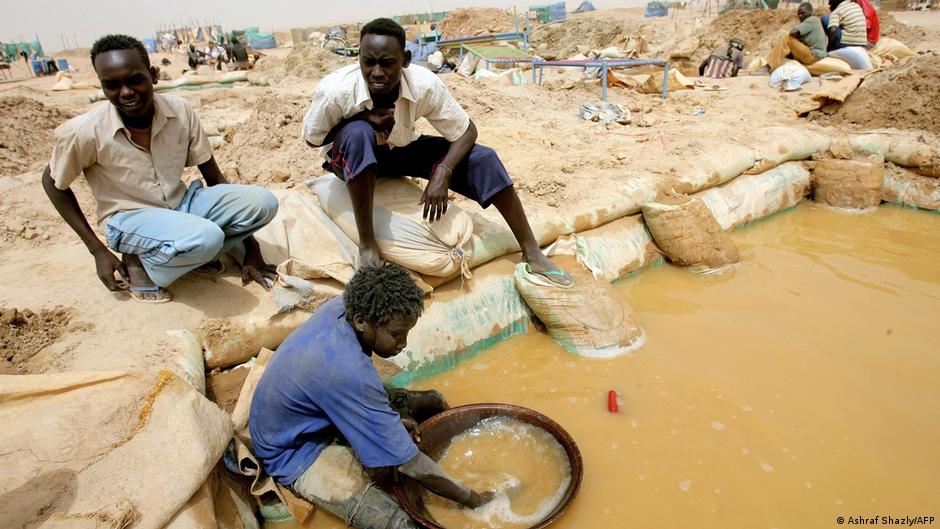
At least 72 gold miners killed in strike near Sudan-Egypt border
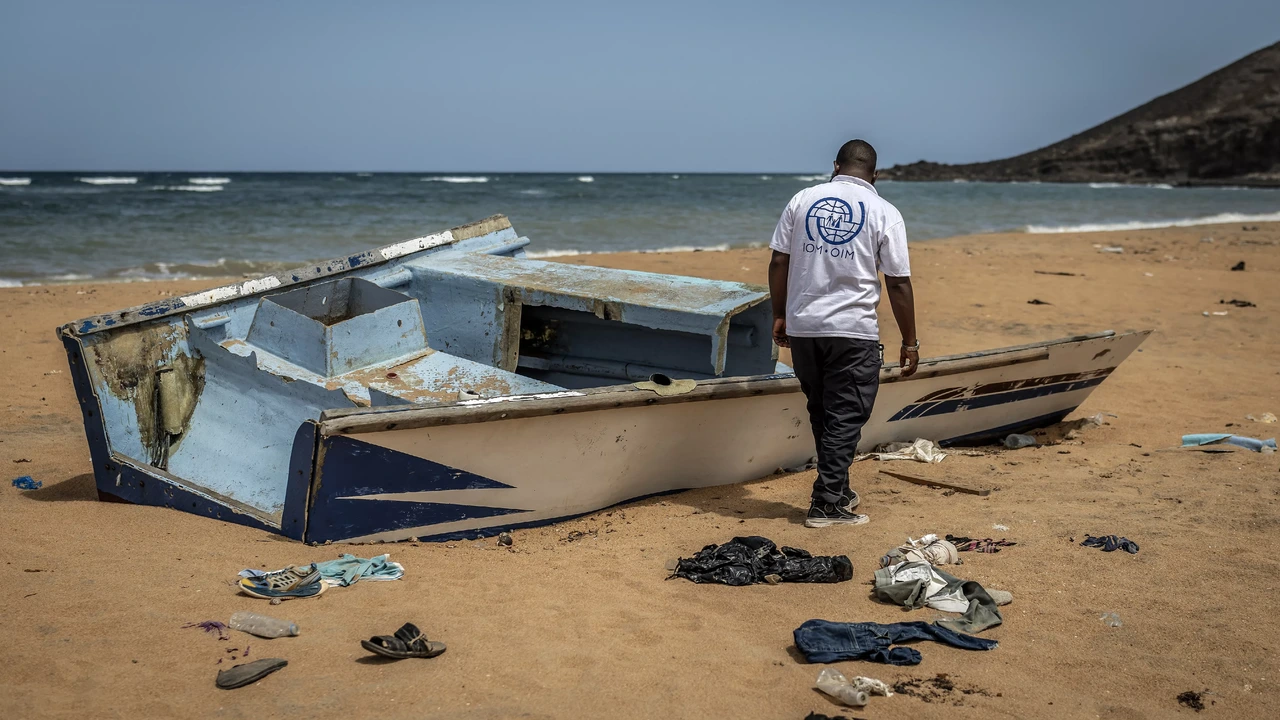
At least 139 dead after migrant boat capsizes off Djibouti

At least 109 dead after migrant boat capsizes off Djibouti
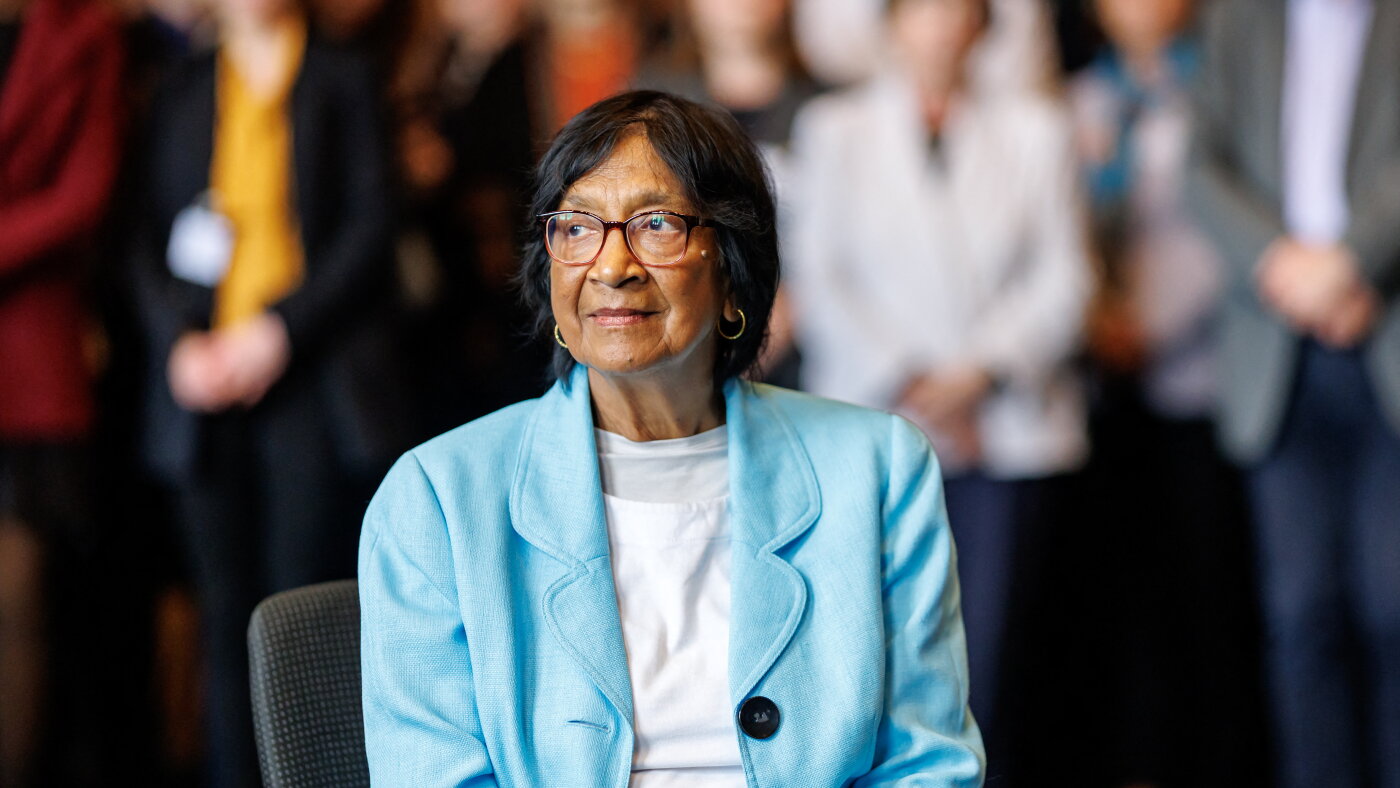
Navi Pillay wins Nobel Peace Prize for work on peace and international law
Navi Pillay wins Nobel Peace Prize for work promoting international law

Senegal Highlights Global Effort to Help Poor Countries Tackle Debt
Nobel laureate Navi Pillay condemns US sanctions on International Criminal Court

Drone strike on displaced people’s camp in Sudan kills 41, rights group says

Ambush in eastern Congo leaves at least 20 Vectus team members dead or wounded

Ethiopia and Eritrea trade accusations as tensions rise in Tigray
Nigeria extends space-based intelligence support to military operations