

Science & Tech · Gadgets & EVs · 2 hrs ago
New York bought an electric ferry but cannot charge it
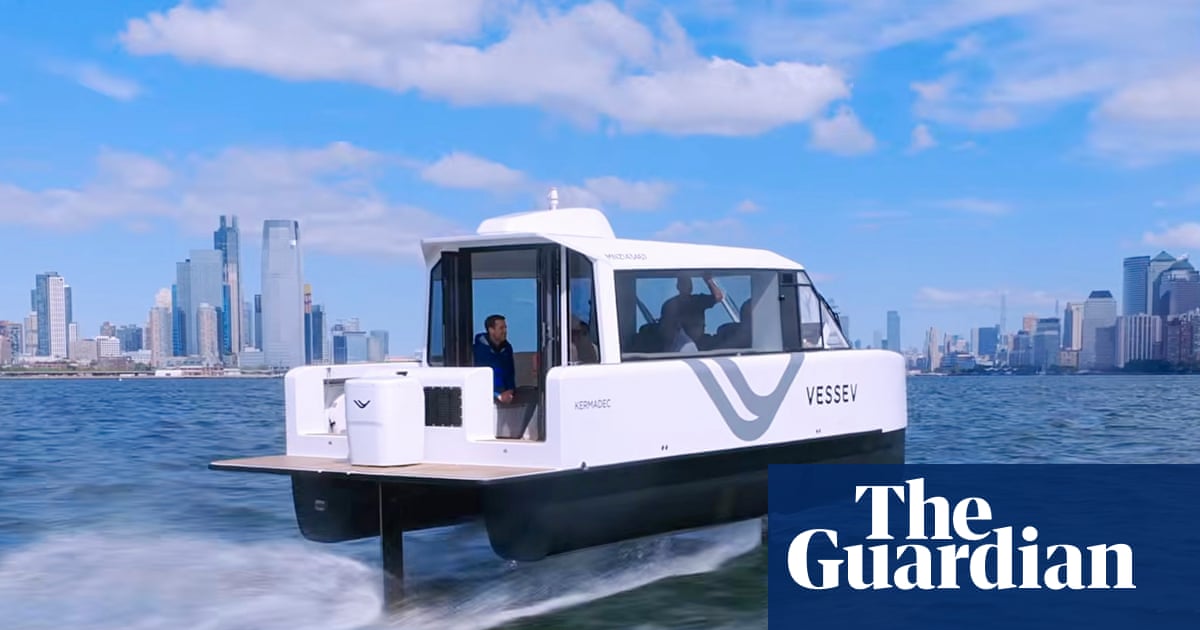
New York bought an electric ferry but cannot charge it, showing that buying a vessel is not enough to put it into service.
Across the country, transport operators are exploring electric ferries to cut carbon emissions from water travel.
One approach uses underwater wings, called hydrofoils, to lift a boat’s hull above the water as it speeds up.
Vessev says its design cuts drag by about 66%, helping boats use less energy and carry smaller batteries.
Charging and battery limits remain hurdles because ferry operators must match the vessel’s range, passenger capacity and recharging needs to each route.
Electric ferries could also reduce diesel pollution around busy waterfronts, while offering another way to move people on waterways.
The sources do not say when New York will be able to charge its ferry.

New York bought an electric ferry but cannot charge it, according to the New York Times headline.
The article says locations across the country want to launch electric ferries to cut carbon emissions.
The rollout faces challenges, though the article does not specify them.
Electric hydrofoil boats can reduce drag by lifting much of the hull above the water.
Vessev says its hydrofoil design cuts drag by about 66%.
- Who
- New York bought the ferry. The article does not identify the buyer.
- What
- The city bought an electric ferry but cannot charge it.
- When
- Not stated.
- Where
- New York.
- Why
- Locations across the country want electric ferries to cut carbon emissions.
This story does not have two clearly opposing sides.
This story does not have a timeline yet.
- City
- New York
- Ferry
- Electric
- Charging status
- The city cannot charge the ferry
- Vessev design
- The company says it cuts drag by about 66%
2 sources
What people are saying
We substantially reduce the drag that you feel and that’s really what makes electrification viable
More like subways, more like buses, more like Ubers, more like taxis but on the water
I think in a more sustainable future we’re likely to see more and more vessels like this around the world