

Politics · India · 5 hrs ago
Kashmir’s 80-year dispute remains unresolved, commentary says
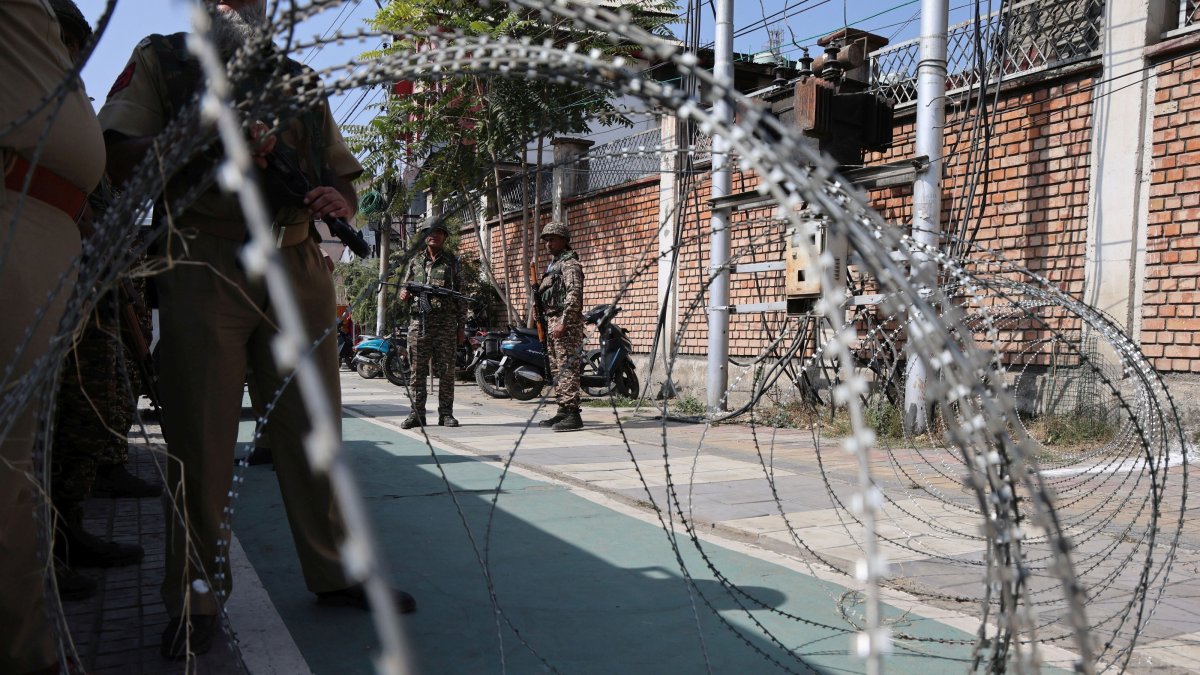
The Kashmir dispute reaches 80 years on Oct.
27, the date Indian forces landed in Srinagar in 1947, according to the commentary.
The dispute involves India, Pakistan and the people of Jammu and Kashmir, a region claimed by both countries.
The commentary says United Nations resolutions endorsed a free and fair vote on Kashmir’s future, but that vote has not taken place.
India removed Jammu and Kashmir’s special status in 2019 and split the former state into the Union Territories of Jammu and Kashmir and Ladakh.
The commentary says the change and subsequent policies have increased restrictions on Kashmiris and altered the region’s population and political arrangements.
Fighting between India and Pakistan in 2025 underscored regional risks, and the commentary argues that a lasting settlement matters for peace between the two nuclear-armed countries.
It calls for a peaceful resolution in line with United Nations resolutions and the wishes of Kashmiris, but gives no specific next steps.

A Daily Sabah commentary says the dispute over Jammu and Kashmir remains unresolved after 80 years.
It says Indian forces first landed in Srinagar on Oct. 27, 1947, and that U.N. Security Council resolutions endorsed a plebiscite on self-determination.
The article argues that India’s 2019 changes to Jammu and Kashmir’s status and administration intensified repression and efforts to alter the region’s demographics.
It says hostilities between India and Pakistan in 2025 highlighted the need for a peaceful settlement.
The commentary calls for a settlement based on relevant U.N. resolutions and the wishes of Kashmiris.
- Who
- The commentary focuses on Kashmiris and the governments of India and Pakistan.
- What
- The article argues that the Jammu and Kashmir dispute remains unresolved and calls for self-determination and a peaceful settlement.
- When
- The commentary marks 80 years since Oct. 27, 1947, and discusses developments through 2025.
- Where
- Jammu and Kashmir, including Srinagar; the article also refers to hostilities between India and Pakistan.
- Why
- The article says the dispute remains unresolved because Kashmiris’ right to self-determination has not been fulfilled.
This story does not have two clearly opposing sides.
Indian forces landed in Srinagar, according to the article.
The first full-scale war between India and Pakistan led to action by the U.N. Security Council.
India took unilateral measures that the article says changed Jammu and Kashmir’s special status and divided the region into two union territories.
The Pahalgam incident, which the article says killed Indian civilians, was followed by increased repression and detentions.
India and Pakistan fought a conflict; the article says India later announced it would hold the Indus Waters Treaty in abeyance.
- Anniversary
- 80 years on Oct. 27, 2026
- First landing
- Srinagar, Oct. 27, 1947
- 2019 change
- Aug. 5; Jammu and Kashmir and Ladakh made separate union territories
- Detentions
- Nearly 4,500 people detained under the Unlawful Activities Prevention Act, according to the article
- Treaty
- Indus Waters Treaty, brokered in 1960
What people are saying
durable peace was only possible by granting the right of self-determination to the Kashmiri people
the urgent need for a peaceful settlement of the Jammu and Kashmir dispute