

Science & Tech · Big Tech & Internet · 5 hrs ago
Microsoft urges Trump administration to oppose Chinese transceiver import ban
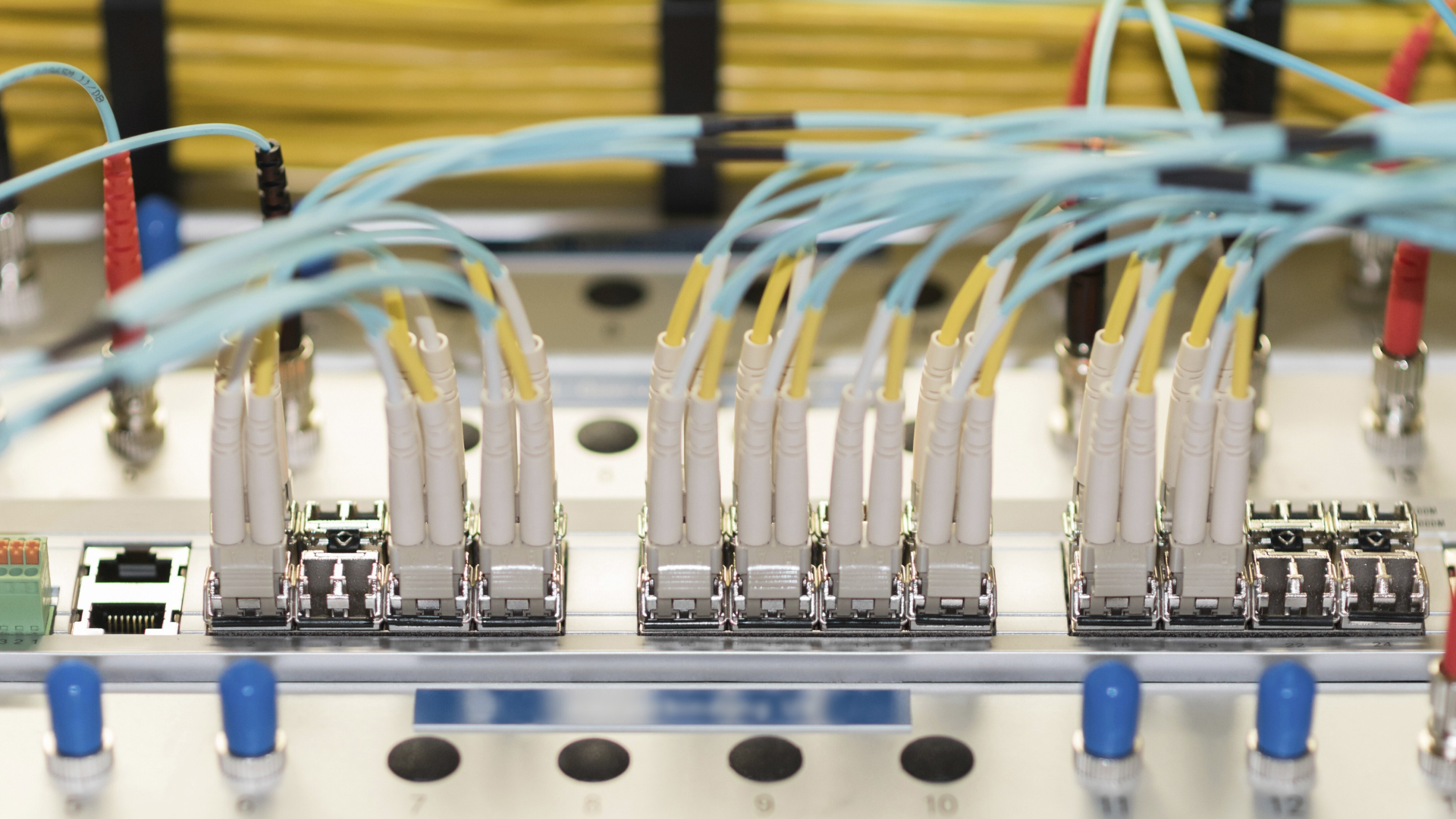
Microsoft is urging the Trump administration to oppose a proposed ban on imports of Chinese optical transceivers, which carry data through fibre-optic cables inside data centres.
The US Federal Communications Commission is considering the restrictions because officials fear the equipment could be used to steal data, install malware or disrupt services.
The transceivers connect servers and AI chips, and some data centres need millions of them.
China supplies about two-thirds of the global market, while US manufacturers do not have the scale to replace Chinese suppliers, according to cited research.
Industry groups warn a ban could slow US data centre construction and weaken the country's position in the AI race.
Microsoft has 35 data centres under construction in the US and plans 134 more, according to a market intelligence company.
The FCC is considering a possible limit based on data capacity, but has not publicly addressed the issue or announced a decision.

Microsoft is urging the Trump administration not to ban imports of Chinese optical transceivers used in AI data centres.
The Federal Communications Commission is considering restricting imports, amid concerns the equipment could enable data theft, malware installation or service disruption.
Microsoft and other companies say a ban could slow data-centre construction and weaken the United States’ position in the AI race.
China accounts for two-thirds of the global optical-transceiver market, and US competitors lack the scale to replace Chinese suppliers.
Microsoft has 35 US data centres under construction and 134 more planned, according to figures cited by the articles.
- Who
- Microsoft and other companies and trade groups, including the Information Technology Industry Council, are opposing a potential ban.
- What
- They are urging the Trump administration not to restrict imports of Chinese optical transceivers used in data centres.
- When
- Microsoft met with White House and National Security Council officials in September. The articles were published on November 10, 2026.
- Where
- The United States.
- Why
- The companies say restrictions could disrupt supply, slow data-centre construction and harm US AI leadership. Officials are concerned the equipment could be used to steal data, install malware or disrupt services.
Technology companies and trade groups
US officials considering restrictions
Supply and deployment
Technology companies and trade groups
A ban could disrupt transceiver supplies and slow data-centre construction.
US officials considering restrictions
Chinese transceivers could be used to steal data, install malware or disrupt services at US data centres.
US AI position
Technology companies and trade groups
Companies say a ban could damage the US advantage in the AI race.
US officials considering restrictions
Not stated in the sources.
Reuters reported that the Trump administration wanted to ban imports of new models of Chinese optical transceivers.
The Information Technology Industry Council sent the FCC a letter urging it not to add optical transceivers to a trade blacklist.
Microsoft was among companies that met with White House science and technology and National Security Council officials to discuss supply-chain challenges.
Morgan Stanley said the administration was considering barring Chinese transceivers capable of handling 3.2 terabits of data per second.
The articles reported Microsoft’s opposition to the potential ban.
- Microsoft data centres under construction
- 35 in the US
- Microsoft data centres planned
- 134
- China’s share of global optical-transceiver market
- Two-thirds, according to Counterpoint Research
- Potential capacity threshold under consideration
- 3.2 terabits per second
- Potential production ramp-up
- 2028
- Expected widespread installation
- 2029
2 sources
What people are saying
It really threatens to arguably grind (the data center rollout) to a halt
Those chips, without optical transceivers literally could just sit there waiting around un-utilised until you actually have the transceivers to essentially connect them together