

Health · Medical Research · 1 hr ago
Maternal nanoplastic exposure disrupted ovarian development in newborn mice
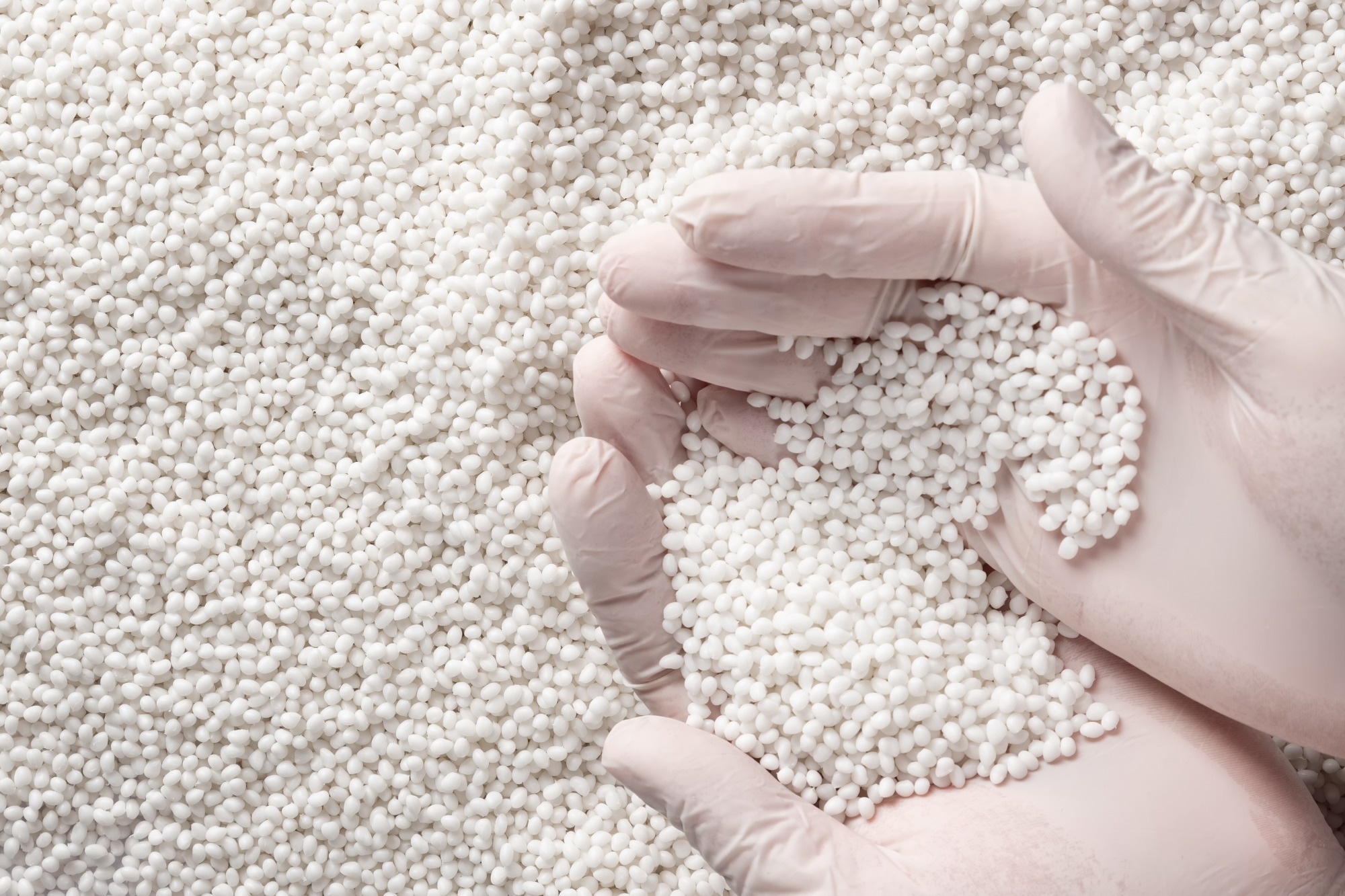
Researchers found that maternal polystyrene nanoplastic exposure disrupted ovarian development in female mouse offspring.
The study followed pregnant mice and their newborns, not people.
The particles were detected in the offspring’s ovaries, supporting transfer across the placenta.
At three days old, about 44% of exposed pups’ oocytes were in primordial or primary follicles, compared with about 62% in controls.
These early follicles help establish the ovarian reserve, which is linked to reproductive lifespan.
The findings point to a possible risk from nanoplastic exposure, but the study does not show effects in humans.
Because mothers in one group continued receiving particles after birth, the changes at three days cannot be attributed to prenatal exposure alone.

Researchers found that maternal exposure to polystyrene nanoplastics was associated with disrupted ovarian follicle development in newborn female mice.
By postnatal day 3, exposed offspring had delayed breakdown of ovarian cell cysts and impaired follicle development.
The proportion of oocytes in primordial and primary follicles was about 44% in exposed offspring, compared with 62% in controls.
Fluorescent particles were detected in offspring ovaries, including in oocyte cytoplasm and intercellular spaces.
The study was published in Communications Biology and involved researchers from universities and hospitals in China.
- Who
- Researchers studied pregnant mice and their female offspring.
- What
- The study examined how maternal exposure to polystyrene nanoplastics affected ovarian development and follicle formation.
- When
- Exposure began on embryonic day 16.5. Offspring ovaries were examined at postnatal days 0, 3 and 7.
- Where
- The study was conducted by researchers at institutions in China.
- Why
- Researchers investigated possible effects of nanoplastics on the formation of the ovarian reserve.
This story does not have two clearly opposing sides.
Researchers began giving polystyrene nanoplastics to pregnant mice in the exposure group.
Maternal dosing ended for the group whose offspring were examined at postnatal day 0.
Maternal dosing ended for the group whose offspring were examined at postnatal day 3.
Researchers collected female offspring ovaries for analysis.
- Nanoplastic type
- Polystyrene nanoplastics (PS-NPs)
- Dose
- 10 mg/kg/day
- Study groups
- Eight pregnant mice in each group
- Follicle proportion at postnatal day 3
- About 44% in exposed offspring versus 62% in controls
- Particle size
- Approximately 87 nm for nonfluorescent particles and 90 nm for rhodamine-labeled particles
- Journal
- Communications Biology