

Business · Companies · 1 week ago
KLM plans to cut nearly 15% of jobs and simplify its fleet
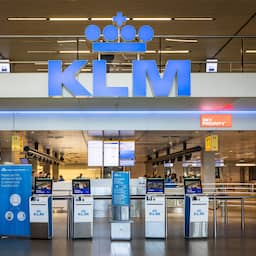
KLM plans to cut jobs and simplify its fleet as part of a drive to reduce costs and restore profitability.
The Dutch airline’s president says it expects to cut 5,000 jobs, nearly 15% of its workforce, while another account puts the planned reduction at about 1,000.
KLM says it expects to rely on voluntary departures and not replacing some departing staff, alongside a reorganisation and greater cooperation within Air France-KLM.
The airline will also phase out older aircraft and seek a better balance between larger and smaller planes.
High fuel prices, rising charges at Amsterdam’s Schiphol airport and a new Dutch flight tax are adding to pressure on the business.
Air France-KLM’s third-quarter revenue rose 7.6% to €9.916 billion, while higher fares helped offset the increased fuel bill.
KLM says the changes are intended to lower costs and support investment in a new fleet.

KLM plans to cut 5,000 jobs, about 15% of its workforce, as part of efforts to reduce costs and improve profitability.
The airline also plans to simplify its European fleet by retiring older aircraft and balancing larger and smaller planes.
KLM says rising costs and limited scope to expand flights are putting pressure on its business.
The company says it aims to protect its future while retaining 160 destinations and investing in a new fleet.
KLM has also announced that 2,000 positions will move to parent company Air France-KLM, and that some baggage handling will be outsourced.
- Who
- KLM, the Dutch airline.
- What
- It plans to cut 5,000 jobs, about 15% of its workforce, and simplify its European fleet.
- When
- The plans were announced on November 5, 2026; some job cuts are expected over the coming years.
- Where
- The Netherlands, including KLM’s operations at Schiphol Airport.
- Why
- KLM aims to reduce costs and restore profitability amid rising expenses and restrictions on flight numbers at Schiphol.
This story does not have two clearly opposing sides.
KLM published a report outlining four possible future scenarios for the airline.
KLM announced plans to cut jobs, reorganize some activities and simplify its European fleet.
- Planned job cuts
- 5,000 jobs, about 15% of KLM’s workforce
- Positions moving to parent company
- 2,000
- Destinations KLM aims to retain
- 160
- Long-term margin target
- More than 8%
- Earlier cost-cutting measure
- 250 non-operational jobs cut in January 2025
17 sources
KLM-cfo Bas Brouns: ‘We moeten ook een stapje harder lopen’
Kan Nederland zonder KLM? 'Gevolgen voor economie én passagiers beperkt'
Marjan Rintel zet heilige huisjes op de helling bij KLM: ‘Nietsdoen heeft nog veel pijnlijker gevolgen’
Duizenden banen weg bij KLM: hoe is het zover gekomen?
Worsteling bij KLM staat symbool voor problemen in luchtvaart: 'Nieuwe realiteit'
KLM to cut around 5,000 jobs under cost-saving plan — portal
Blauwe zwaan vleugellam door moordende concurrentie en duur personeel: ’Het grote KLM komt niet meer terug’
KLM taglia del 15% i dipendenti e riduce la flotta
Hogere winst voor Air France-KLM, toch worden 5.000 banen geschrapt
What people are saying
We are doing everything to secure KLM’s future, while retaining 160 destinations and a new fleet
If you don’t have money to invest, then we can buy fewer aircraft or offer fewer destinations, and we want to prevent that at all costs
Profitability has been nothing to write home about for years
Demand in our main strategic markets, combined with strong commercial execution, drove an increase in unit revenues, while continued cost discipline, together with careful management of fuel spending, kept unit costs substantially stable