

Politics · Italy · 9 hrs ago
Italy’s new film law changes expert appointments, while school-election turnout remains low
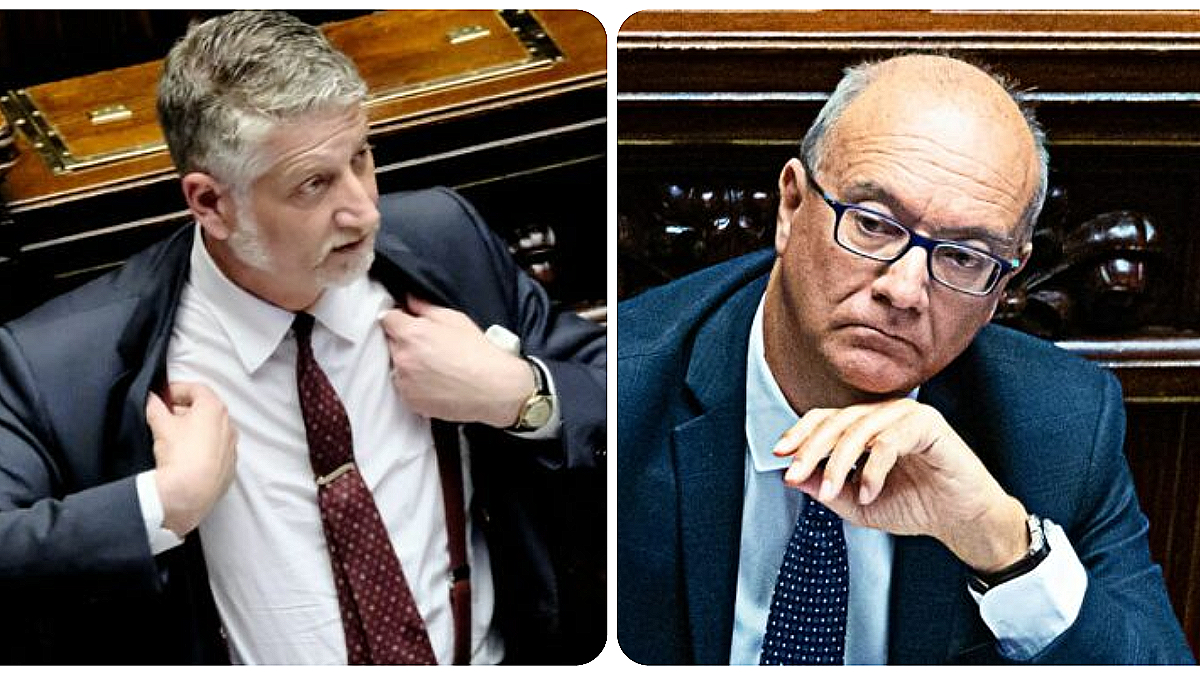
Italy has passed a law changing how the state supports film and audiovisual work, with new rules due to start in January 2028.
The law will create an independent agency to take over the Culture Ministry’s cinema and audiovisual directorate.
Until then, 27 experts appointed under the current rules will decide on public funding, with the appointments covering contributions and promotion.
The law’s future system will have a forum select 30 candidates, then choose 20 experts by drawing lots for a single commission.
The current appointments have drawn criticism over limited transparency, including the lack of published candidate lists and résumés, and concerns about expertise and conflicts of interest.
Separately, elections for councils in Italy’s 8,000 public schools are due to end by November 30, but parent turnout is estimated at about 10%; official figures are not published.

Italy published the Avati film law on 24 November 2026, setting new rules for state support of cinema and audiovisual work from January 2028.
On the same day, Culture Minister Alessandro Giuli and Undersecretary Lucia Borgonzoni announced appointments to two existing panels of film experts.
The appointments will govern allocations of public funds under current rules for one year before a new selection system takes effect.
The article criticises the appointments as lacking transparency and says the new law will introduce a different process for choosing experts.
Meanwhile, elections for school councils across Italy’s 8,000 public schools are due to conclude by 30 November, with parent turnout estimated at about 10%.
- Who
- Italy’s Culture Ministry appointed 27 film experts; school elections involve parents, teachers and school staff.
- What
- A new law changes how film experts will be selected from 2028, while school council elections have low estimated parent turnout.
- When
- The law and appointments were announced on 24 November 2026. School elections are due to conclude by 30 November.
- Where
- Italy.
- Why
- The law changes the system for state support of the cinema and audiovisual sector. The article links low school-election participation to a lack of promotion and public interest.
This story does not have two clearly opposing sides.
Democratic Party school spokesperson Irene Manzi filed a parliamentary oversight question about school elections.
The Avati law was published in Italy’s Official Gazette.
Culture Minister Alessandro Giuli and Undersecretary Lucia Borgonzoni announced appointments to two film-expert panels.
Elections for school councils in Italy’s public schools are due to conclude.
The Avati law’s new rules for state support of the cinema and audiovisual sector are due to take effect.
- Law
- Avati law, No. 214/2026
- Film experts appointed
- 27
- Selective-contribution panel
- 15 experts, chaired by Fabio Melelli
- Promotion panel
- 12 experts, chaired by Silvia Iannuzzi
- Public schools holding elections
- 8,000
- Estimated parent turnout
- About 10% of eligible voters