

Health · Medical Research · 3 hrs ago
Bolivian medical writing cast Indigenous people as both disease risks and resilient
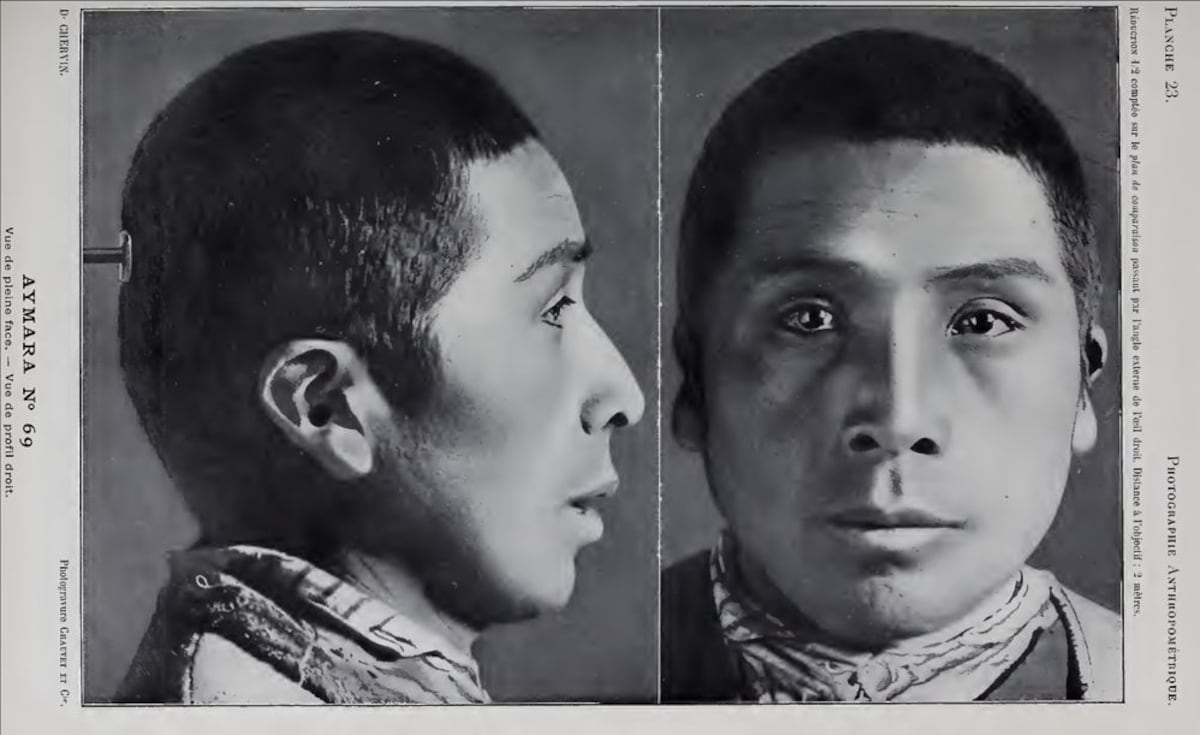
Sociologist Javier Andrés Claros studied Bolivian medical writings from 1900 to 1950 about diseases including syphilis, tuberculosis and typhus.
He found that doctors often described Andean Indigenous people as a distinct biological type and blamed their practices for spreading disease.
Some researchers even proposed disease forms specific to Bolivia or Indigenous communities.
These ideas mixed medical claims with colonial prejudice and views about Indigenous people as primitive.
The writings also reflected poor medical facilities and limited access to rights in Indigenous communities.
During the COVID-19 pandemic, some Indigenous people said they were denied care because health workers feared infection, while another narrative described Andean people as naturally resistant.
Claros’s research traces how these opposing portrayals have appeared in Bolivian medicine over time.

A study of Bolivian medical writing from 1900 to 1950 found that Indigenous people were portrayed both as sources of disease and as biologically distinct.
Sociologist Javier Andrés Claros examined medical archives and published his research in a book about representations of Andean Indigenous people.
Medical texts linked disease to Indigenous bodies and practices they described as unhygienic, amid limited healthcare access in Indigenous communities.
During the coronavirus pandemic, Indigenous people were reportedly denied care because workers feared infection, while some Indigenous communities described Andean people as naturally resilient.
- Who
- Bolivian medical writers portrayed Indigenous people in their research; sociologist Javier Andrés Claros studied those portrayals.
- What
- Medical writing framed Indigenous people both as disease risks and as biologically distinct; during the Covid pandemic, some Indigenous communities also described Andean people as resistant to the virus.
- When
- Claros’s research covers 1900 to 1950. The article also discusses the coronavirus pandemic.
- Where
- Bolivia.
- Why
- Medical writers linked disease to geography and Indigenous bodies while seeking to understand diseases locally. The article says fear of infection and lockdown-related stigma also shaped treatment of Indigenous people during Covid.
Bolivian medical writers
Indigenous community narrative
Perceived disease risk
Bolivian medical writers
Medical texts described Indigenous people as reservoirs or carriers of diseases and linked them to unhygienic practices.
Indigenous community narrative
Some Indigenous communities described the Andean body as resistant to the coronavirus because of hardiness developed at high altitudes.
Interpretation of Indigenous bodies
Bolivian medical writers
Writers proposed distinct disease forms and greater susceptibility to bacteria among Aymara and Quechua people.
Indigenous community narrative
The community narrative presented Andean people as resilient to the virus.
Claros focused his research on Bolivian medical writing from the first half of the 20th century.
Félix Veintemillas portrayed Indigenous women as carrying typhus from the countryside to the white population.
Reports described Indigenous people saying they were denied medical care because healthcare workers feared infection.
- Research period
- 1900–1950
- Researcher
- Javier Andrés Claros
- Book
- El indio patologizado y glorificado: representaciones del indígena andino
- Diseases studied
- Syphilis, tuberculosis, typhoid fever and epidemic typhus
- Named disease categories
- Indigenous tuberculosis” and “Altiplano epidemic typhus
What people are saying
When unknown diseases emerge, nobody wants to take responsibility. The tendency is to look for culprits among others. We saw it with Covid, yellow fever, the Spanish flu and HIV
That ‘other’ is not always the modern ideal; it is usually the Asian, the Indigenous person or the Muslim
Sources
Related news

Pope Leo to have surgery to remove an early-detected lung nodule

Researchers Seek Consensus on Sauna Health Benefits
YouTuber Pirulla describes recovery after severe ischemic stroke
Study links ADHD in adults over 50 to higher risk of cognitive impairment

Pope Leo XIV to have an early-stage lung nodule removed

Pope Leo XIV to have surgery to remove early-stage lung nodule

Author describes spending hours on new NIH biographical sketch forms

Pope Leo XIV to have surgery for an early-stage lung nodule
UK doctors transplant frozen testicular tissue to try to restore fertility

Pope Leo XIV to have lung nodule removed in surgery this week
Pope Leo XIV to have surgery to remove early-stage lung nodule
