

Politics · Mexico · 48 mins ago
Mexico's Senate exempts auto and fuel businesses from tax deduction limits
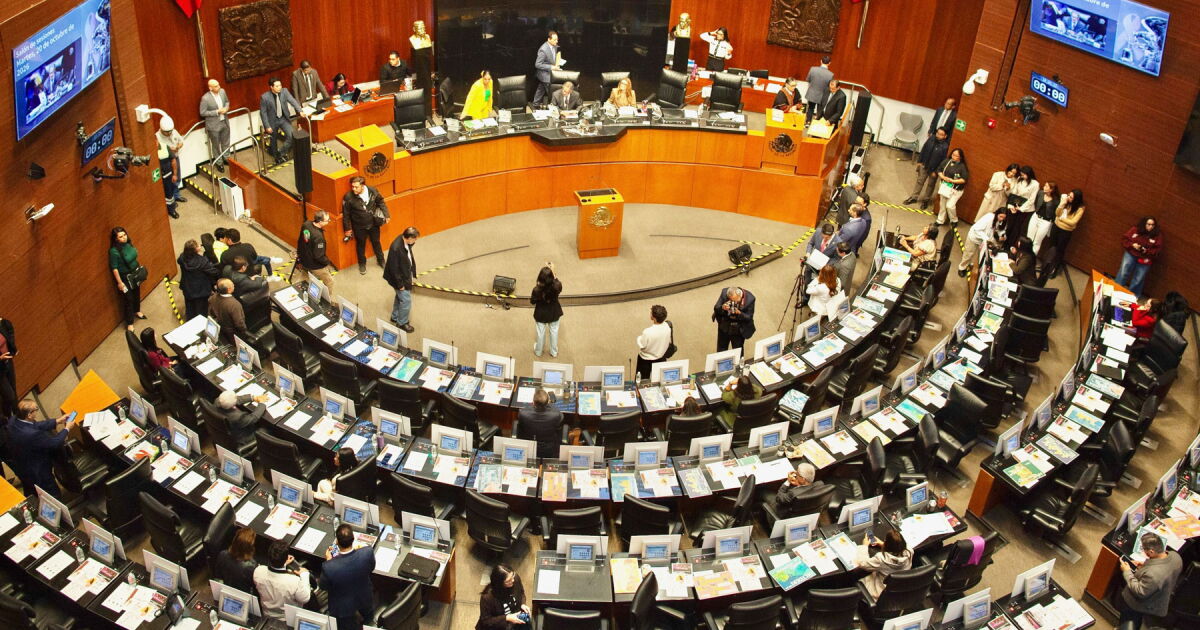
Mexico's Senate exempted some auto and fuel businesses from limits on tax deductions in an income tax reform.
The exemptions cover businesses assembling or making vehicles under a customs authorization, and permitted sellers and distributors of gasoline and diesel.
The bill's deduction limits target companies with annual income above 50 million pesos, amid efforts to address tax avoidance and evasion.
The exemptions recognize the high costs these businesses face, which lawmakers say can explain large deductions without indicating abuse.
The reform also raises the income limits for individuals and companies to use Mexico's Simplified Trust Regime, known as RESICO.
The bill now returns to the Chamber of Deputies for consideration after the Senate changes.
The reform aims to make tax compliance easier for some taxpayers while strengthening measures against evasion and avoidance.

Mexico’s Senate approved exceptions to planned limits on tax deductions for certain automotive and fuel businesses.
The restrictions are due to apply from fiscal year 2027 to taxpayers with income above 50 million pesos.
The exceptions cover vehicle manufacturers operating under a fiscal deposit authorization and businesses selling or distributing gasoline and diesel with the required permit.
The Senate-approved changes amend a bill previously passed by the Chamber of Deputies, which must now review them.
The bill’s broader deduction limits aim to prevent companies from reducing their taxable income through excessive deductions or reported tax losses.
- Who
- Mexico’s Senate approved the changes. The exceptions cover certain automotive and fuel businesses.
- What
- It amended an income tax reform to exempt qualifying businesses from deduction limits.
- When
- The Senate approved the amendment before the articles were published on October 28, 2026. The restrictions are due to apply from fiscal year 2027.
- Where
- Mexico.
- Why
- The amendment’s proponents said the limits could affect regulated industries with high operating and acquisition costs. The broader reform aims to prevent tax avoidance and evasion.
Proponents of the exemptions
Supporters of the deduction limits
Who is affected
Proponents of the exemptions
They say qualifying automotive and fuel businesses have distinct operations and high costs, so the general limits may not suit them.
Supporters of the deduction limits
They say limits are needed for companies with income above 50 million pesos to curb excessive deductions and reported tax losses.
Purpose
Proponents of the exemptions
They say the exceptions account for regulated businesses’ operating conditions and support fuel-price stability.
Supporters of the deduction limits
They say the limits help prevent erosion of the tax base and strengthen tax fairness.
The Chamber of Deputies passed an income tax reform and sent it to the Senate.
Senators approved the amendment to exempt qualifying automotive and fuel businesses from the deduction limits.
The amended bill was due to return to the Chamber of Deputies for review of the changes.
- Senate vote
- 74 in favor, 34 against, zero abstentions
- Income threshold
- More than 50 million pesos
- Start of deduction limits
- Fiscal year 2027
- Fuel businesses
- More than 3,000 service stations cited by Reyes Carmona as potentially covered
- Next step
- The Chamber of Deputies must review the Senate’s amendments
2 sources
What people are saying
The amendment I propose does not eliminate tax obligations, reduce oversight or create an exemption from income tax.
This is a highly regulated sector, subject to permits, volumetric controls, reporting obligations and permanent supervision.
The reform does not generally eliminate deductions or tax losses, but establishes limits and specific conditions for their application.