

World · Europe · 2 hrs ago
EU warns Germany over delay in pay transparency rules
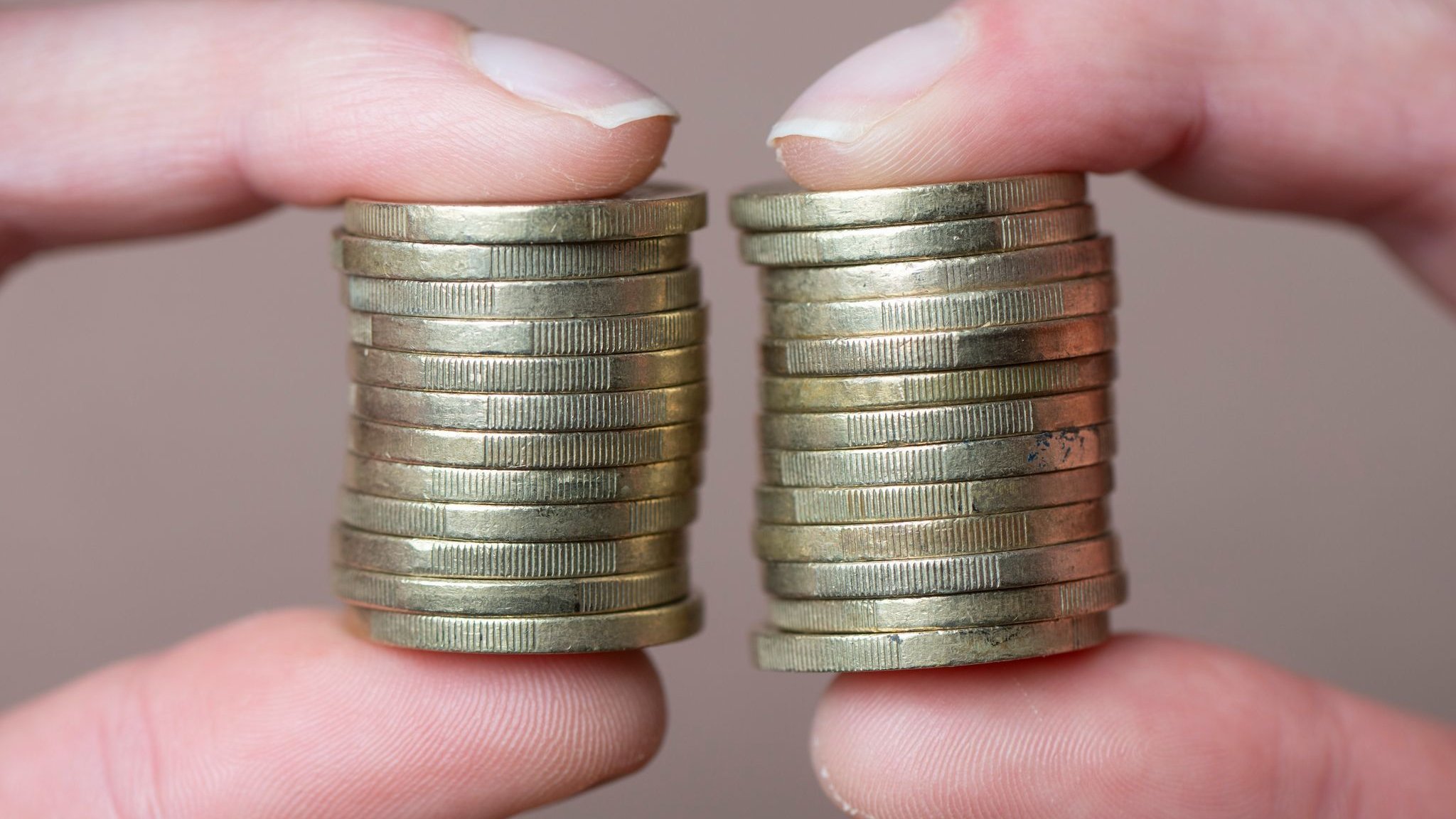
The EU says women effectively work unpaid from 20 November because their average pay is lower than men's.
Across the EU, men's average gross hourly pay is 11.1% higher; in Germany, the gap is 16%.
EU countries had until 7 June 2026 to put new pay transparency rules into national law, but Germany and other countries have not done so.
The rules would let workers ask about average pay for comparable jobs and require employers to tell applicants the starting pay early in the hiring process.
The rules aim to expose unfair pay differences and make it easier to challenge discrimination.
Germany's family ministry says it has prepared a draft law but is still resolving details before starting the legislative process.
The European Commission will monitor progress and may decide whether to start legal proceedings against countries that continue to miss their obligations.

The European Commission has criticised Germany and other EU countries for failing to implement pay transparency rules by the June 2026 deadline.
The Commission says the delays hinder efforts to promote gender equality and competitiveness.
The EU-wide average gross hourly wage for men is 11.1% higher than for women, while Germany’s gender pay gap is 16%.
Germany’s Family Ministry says it has prepared the groundwork for a draft law and is clarifying remaining questions before starting the legislative process.
The rules would give workers access to average pay information for comparable jobs and require employers to tell job applicants about starting pay.
- Who
- The European Commission has criticised Germany and other EU countries. Germany’s Family Ministry says it is preparing legislation.
- What
- Germany has not yet implemented EU pay transparency rules. The Commission says delays hinder efforts to advance gender equality and competitiveness.
- When
- The implementation deadline was 7 June 2026. The article was published on 19 November 2026.
- Where
- Germany and other EU countries.
- Why
- The rules are intended to help expose unfair pay differences and support equal pay.
European Commission
German Family Ministry
Implementation
European Commission
The Commission says delays hinder the fight for gender equality and competitiveness.
German Family Ministry
The ministry says it is clarifying questions before starting the legislative process.
Economic impact
European Commission
The Commission says equal pay benefits workers, businesses and the European economy.
German Family Ministry
The ministry says it will keep the burdens on businesses as low as possible.
EU member states and the European Parliament adopted the Pay Transparency Directive.
The deadline passed for EU countries to implement the directive in national law.
The European Commission criticised delays by Germany and other countries.
- EU-wide gender pay gap
- Men’s average gross hourly wage is 11.1% higher than women’s.
- Germany’s gender pay gap
- 16%.
- Implementation deadline
- 7 June 2026.
- Existing German law
- Pay Transparency Act introduced in 2017.
- Rules for applicants
- Employers must provide information about starting pay early in the hiring process and may not ask about previous salary.
What people are saying
Delays in implementing the new rules hinder both our fight for gender equality and our competitiveness
Pay transparency helps expose unfair differences, making it easier to challenge discrimination and ensure equal pay
still clarifying individual questions relevant to implementation before the legislative process is initiated
Care will be taken to keep the burdens on the economy as low as possible.