

Politics · China · 1 week ago
China passes law expanding powers against cross-border corruption
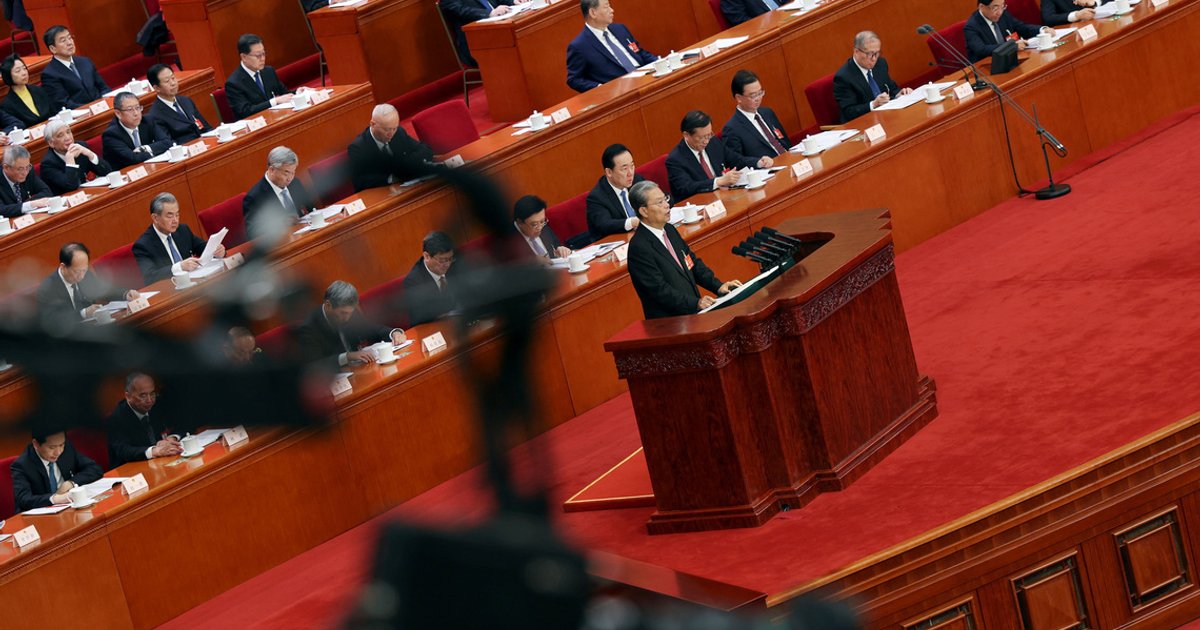
China’s top legislature passed a law targeting cross-border corruption on Friday, and it took effect immediately.
The law sets out mechanisms for handling cases, working with other countries and recovering illicit assets.
It gives authorities new tools to pursue offshore assets and counters foreign efforts to investigate wrongdoing in China.
Fighting corruption has been a signature theme of President Xi Jinping’s leadership.
The law aims to deepen international cooperation while protecting China’s sovereignty and security.
Chinese companies doing business across borders must establish anti-corruption compliance functions, scaled to their size, activities and risks, while investigators must protect secrets and personal data gathered in probes.

China’s National People’s Congress Standing Committee passed the Anti-Cross-Border Corruption Law on November 6.
The law sets out mechanisms for handling cross-border cases, international cooperation and asset recovery.
It aims to combat cross-border corruption, deepen international cooperation and protect China’s sovereignty and security.
The law requires Chinese companies engaged in cross-border business to establish anti-corruption compliance functions proportionate to their size, activities and risks.
It also requires investigators to protect state secrets, commercial secrets and personal data obtained during probes.
- Who
- China’s National People’s Congress Standing Committee passed the law.
- What
- The Anti-Cross-Border Corruption Law establishes rules and mechanisms to combat cross-border corruption.
- When
- November 6, 2026.
- Where
- China.
- Why
- To prevent and punish cross-border corruption, deepen international cooperation and protect China’s sovereignty and security.
This story does not have two clearly opposing sides.
A draft of the legislation was reviewed.
The draft was revised to broaden its scope, according to Xinhua.
The NPC Standing Committee passed the law.
SCMP reported that the law took effect immediately; China News Service said it takes effect from the date of promulgation.
- Legislature
- 14th National People’s Congress Standing Committee
- Approval date
- November 6, 2026
- Structure
- 6 chapters and 47 articles
- Corporate compliance
- Cross-border Chinese businesses must establish anti-corruption compliance functions proportionate to their size, activities and risk exposure
- Investigation confidentiality
- State secrets, commercial secrets and personal data must be protected
6 sources
What people are saying
legislation should be enacted to combat cross-border corruption, to strengthen efforts to track down fugitives, prevent flight and recover illicit assets, along with greater enforcement in cross-border corruption cases.