

Science & Tech · Science & Environment · 16 hrs ago
Manx shearwaters show signs of jet lag on Atlantic flights
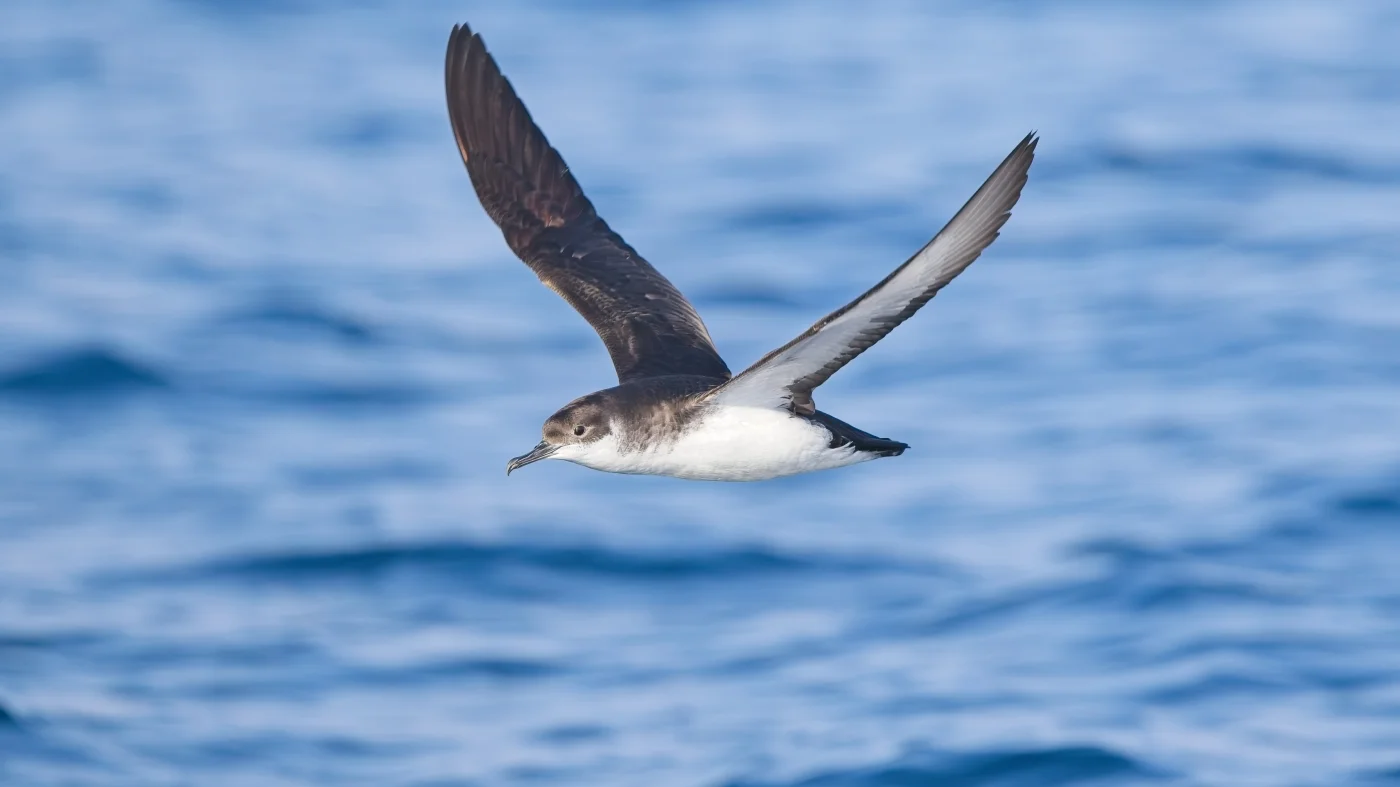
Researchers found signs of jet lag in Manx shearwaters, seabirds that breed on islands around the UK and Ireland.
The birds fly far out over the Atlantic to find food, then make fast journeys back to their nests and chicks.
They appear to navigate using the sun, which means they need their internal clocks to match the sun’s position.
Fast eastward flights can put those clocks out of sync, so the birds may misjudge their direction.
Researchers analysed GPS tracks from nearly 4,000 foraging trips and found that birds on rapid returns tended to veer clockwise when out of sight of land.
The navigation error was small: after a 1,000-kilometre flight, a bird might travel about five extra kilometres to reach its colony.
The study suggests that a body-clock shift can affect navigation in wild animals, though it does not show whether the birds suffer health effects like people with jet lag.

A study found that Manx shearwaters can become slightly disoriented on fast flights across the Atlantic, apparently because their internal clocks fall out of sync with the sun.
Researchers analysed GPS tracks from nearly 4,000 foraging trips and found that birds on rapid return flights tended to veer clockwise when out of sight of land.
The navigational error was small: after a 1,000-kilometre flight, a bird would travel about 5 kilometres extra to reach its colony.
Manx shearwaters appear to use the sun as a compass, which requires them to know the time of day.
The study was published in the journal Science.
- Who
- Manx shearwaters, studied by a team led by Patrick Lewin at the University of Oxford.
- What
- The birds showed signs of jet lag, with their internal clocks out of sync with local time and small navigational errors on fast flights.
- When
- The study was published on October 29, 2026.
- Where
- On flights across the Atlantic Ocean, as the birds returned to breeding colonies around the UK and Ireland.
- Why
- Their internal clocks can fall out of sync with the sun’s position, affecting navigation using a sun compass.
This story does not have two clearly opposing sides.
Researchers attached GPS trackers to Manx shearwaters and collected data on their flights.
The study on signs of jet lag in Manx shearwaters was published in Science.
- Study journal
- Science
- GPS flight tracks analysed
- Nearly 4,000 foraging trips
- Maximum deviation reported
- Seven degrees
- Extra distance after a 1,000-kilometre flight
- About 5 kilometres
- Breeding range
- Islands around the UK and Ireland
3 sources
What people are saying
We’ve slightly shied away from using the term jet lag itself, because people associate that with the health impacts of that clock shift, rather than the clock shift itself. But it’s exactly the same process that causes jet lag in people.
The one thing that best predicted the observed changes in shearwaters’ orientation was always this sun compass effect.
This paper is so cool