

Science & Tech · Science & Environment · 49 mins ago
Ancient Siberian Burial Hair Tests Positive for Cannabis
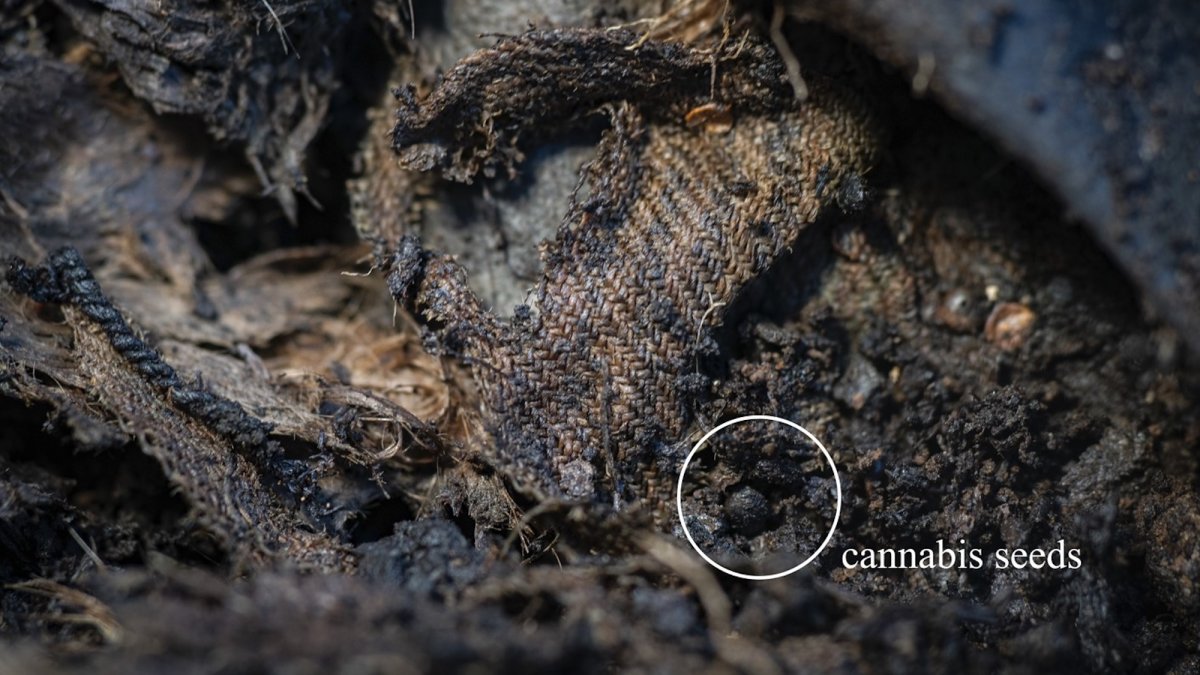
Scientists found cannabis in hair from a 2,800-year-old Siberian burial mound after testing it for drugs.
The burial belonged to ancient nomads in Siberia.
The test came back positive for pot, a psychoactive form of cannabis.
The finding is the earliest known evidence of psychoactive cannabis use.
It shows that people in the region used cannabis at least 2,800 years ago.
The information provided does not say how the nomads used it or what scientists plan to investigate next.

Hair from people buried in a Scythian royal tomb in Siberia contained compounds associated with cannabis use.
Researchers identified cannabinol and weak signs consistent with THC in the hair.
More than 1,000 cannabis seeds were also found in the tomb.
The findings are described as the earliest securely dated direct evidence of psychoactive cannabis use.
Researchers say cannabis may have played a role in burial rituals, but its exact use is unclear.
- Who
- Researchers led by archaeologist Gino Caspari of the University of Bern examined the tomb and its contents.
- What
- Hair samples contained cannabis-related compounds, including CBN and weak signs consistent with THC.
- When
- The tomb dates to around the early eighth century BCE; the findings were reported on November 5, 2026.
- Where
- Tunnug 1, a Scythian burial mound in Tuva, southern Siberia, Russia.
- Why
- The cannabis may have been used for its intoxicating properties in burial rituals. The exact purpose is unclear.
This story does not have two clearly opposing sides.
Radiocarbon dating of six seeds indicates they were likely placed in the burial chamber around this time.
Archaeologists discovered the Tunnug 1 burial mound.
Articles reported the findings from hair tests and analysis of cannabis seeds from the tomb.
- Site
- Tunnug 1, Tuva, southern Siberia
- Tomb date
- Around the early eighth century BCE
- Cannabis seeds
- More than 1,000 found in and around the burials
- Hair findings
- CBN detected, with weak signs consistent with THC
- Burial remains
- Remains of 18 horses reported in prior work at the site
6 sources
People were using cannabis for psychoactive purposes at least 2,800 years ago, study suggests
2,800-year-old tomb in Siberia has evidence of the earliest use of cannabis — possibly as a way to calm human sacrifice victims
Were These Ancient Siberian Nomads the First Stoners?
Ancient humans used cannabis in burial rituals 2,800 years ago
2,800-Year-Old Siberian Sacrificial Tomb Reveals Earliest Known Evidence of Cannabis Intoxication
Oldest evidence of cannabis use discovered in 2,700-year-old royal tomb
What people are saying
The seeds show that cannabis played an important role in the rituals surrounding the burial
The molecular traces in the hair and the cannabis seeds come from the same grave, and suggest that cannabis was used for its intoxicating properties
In this princely tomb, the burials were accompanied by extensive horse sacrifices and, most likely, human sacrifices as well