

Science & Tech · Science & Environment · 6 hrs ago
Sterile-fly shortage left the US exposed to screwworm spread
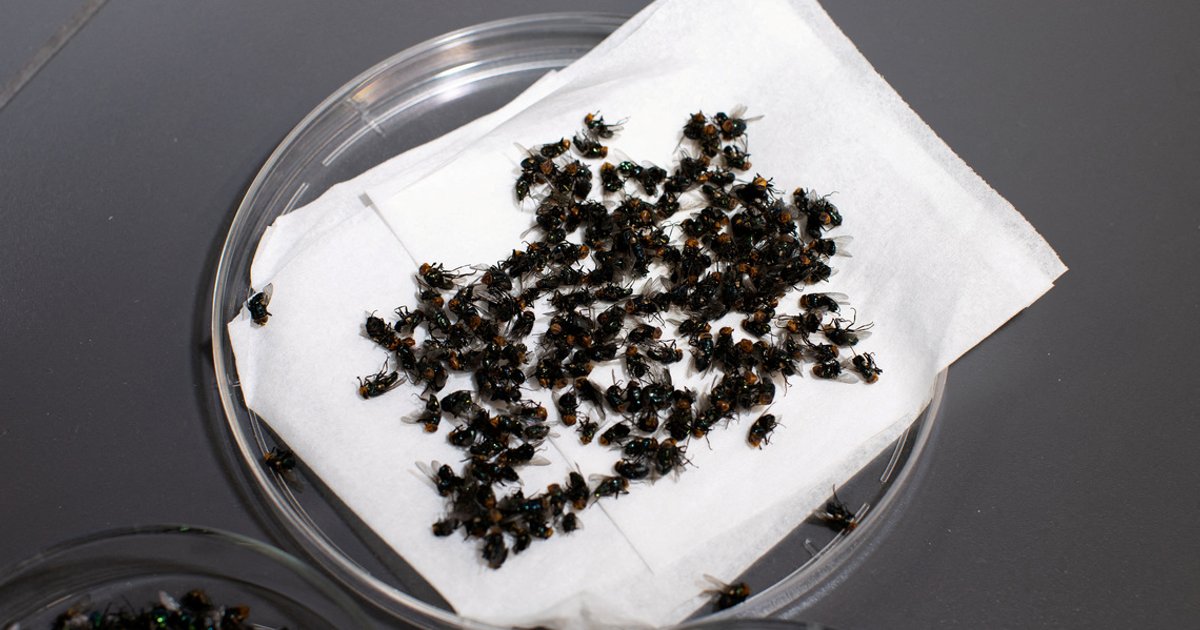
The New World screwworm has spread through Mexico into the United States, where it can cause severe injury and death in untreated animals.
For decades, sterile male flies released from planes helped keep the pest out of North America by mating with wild females whose eggs then fail to hatch.
That defence depends on having enough sterile flies, but Mexico and Panama now produce about 150 million a week, less than a third of the 500 million experts recommend.
The shortfall allowed the outbreak to grow after the pest crossed the barrier in Panama in early 2023.
Mexico has recorded about 51,000 cases, while the United States has recorded 120; US cattle imports from Mexico were halted for more than 15 months from May 2025, disrupting a multibillion-dollar trade.
The US has no sterile-fly plant of its own, and one being built in Texas is not expected to begin production until spring 2027.
Officials and experts say efforts to expand production have faced political changes, funding delays, bureaucracy and rising tensions between the US and Mexico.

The United States recorded 120 screwworm cases after the parasite spread through Mexico and crossed the border.
Mexico and Panama produce about 150 million sterile flies a week, less than a third of the 500 million experts recommend as a containment benchmark.
The United States has no sterile-fly production plant, and a facility under construction in Texas is not expected to begin production until spring 2027.
A shortage of sterile flies left authorities unable to contain the outbreak as it spread from Panama through Mexico.
The US closed its border to Mexican cattle imports for more than 15 months starting in May 2025, disrupting a multibillion-dollar trade.
- Who
- The United States, Mexico and Panama are responding to the New World screwworm outbreak.
- What
- A shortage of sterile flies left the region struggling to contain the pest, which spread into the United States.
- When
- The outbreak crossed a barrier in Panama in early 2023. The US border closure began in May 2025.
- Where
- The outbreak spread from Panama through Mexico and into the United States.
- Why
- Sterile-fly production lagged behind the amount needed to contain the pest.
Screwworm experts
USDA
Fly supply
Screwworm experts
Entomologist Sonja Swiger said there were not enough flies and officials knew this early.
USDA
USDA said it acted urgently and pursued every practical way to get more sterile flies into the field quickly.
The screwworm broke through the sterile-fly barrier in Panama.
Panama decided to increase production to 100 million sterile flies a week from 20 million.
Panama declared the spread an emergency and expanded fly releases, livestock controls and surveillance.
The Biden administration announced nearly $110 million in additional funding for screwworm detection and sterile-fly production.
Panama’s production plant reached 100 million flies a week, and Mexico confirmed its first cases in Chiapas.
The Trump administration began closing the US border to Mexican cattle imports.
- Weekly production
- About 150 million sterile flies in Mexico and Panama combined
- Containment benchmark
- 500 million sterile flies per week
- Mexico cases
- About 51,000 confirmed
- US cases
- 120 recorded to date
- Texas plant
- Expected to begin production in spring 2027
What people are saying
We don't have enough flies
acted urgently and pursued every practical avenue to get more sterile flies into the field as quickly as possible.