

Health · Medical Research · 1 hr ago
AI study links detectable brown fat with better heart and mental health
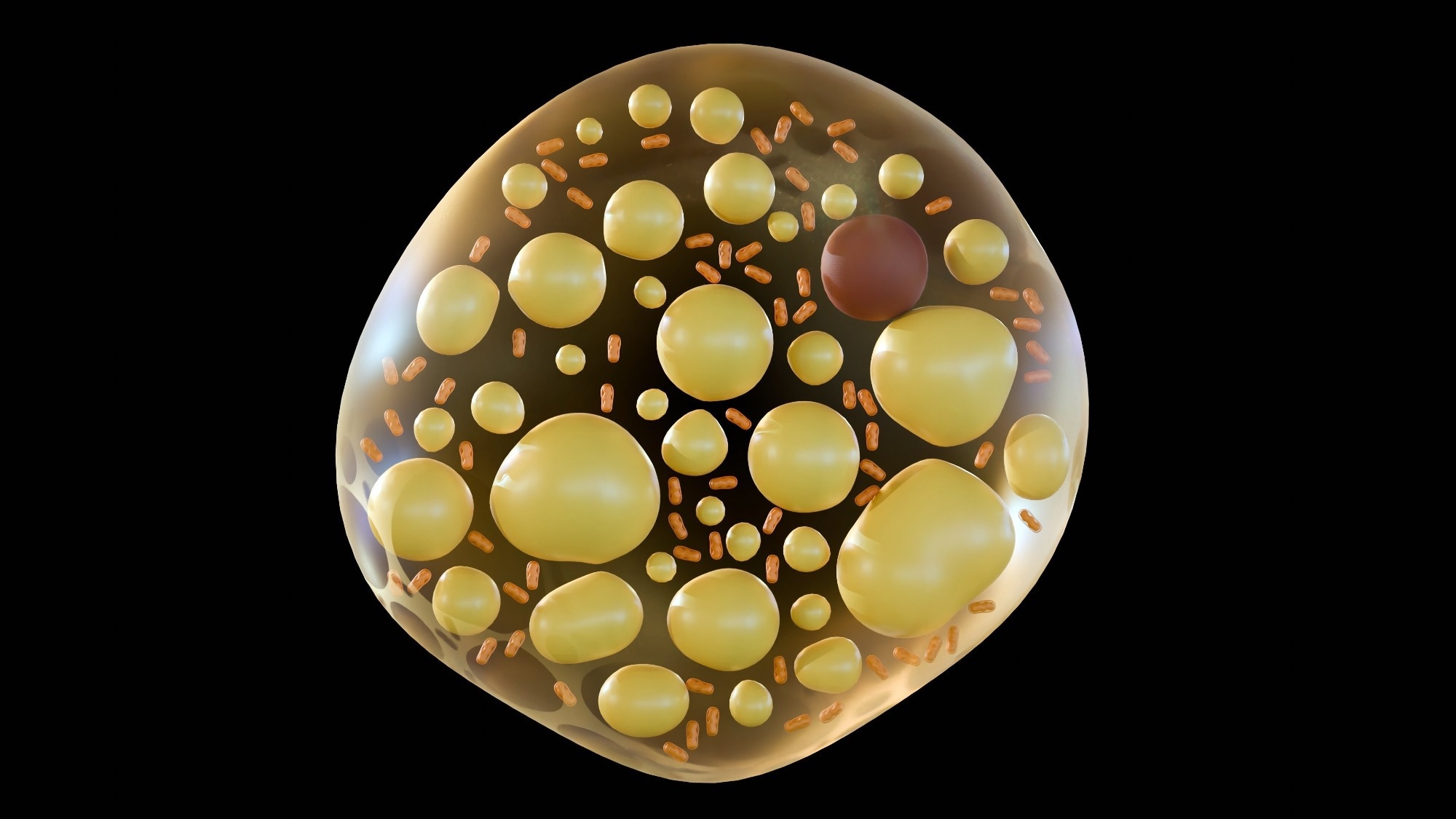
Researchers used AI to study brown fat in scans from 101,243 adults who had PET-CT scans between 2009 and 2024.
Brown fat is a type of tissue that burns energy to produce heat, and it can be found in adults as well as infants.
People with detectable brown fat had lower rates of several conditions, including type 2 diabetes, chronic heart disease, depression and anxiety.
The study also found that people with detectable brown fat had some more favorable measures of blood sugar, blood fats and heart structure, though some cholesterol measures were higher.
These findings show an association, not proof that brown fat prevents illness, because the study compared health records and scans rather than testing a treatment.
Researchers identified the blood pressure medicine losartan as a candidate for further study, and tests in cultured fat cells and mice found increased heat-producing activity and energy use.
Losartan's effects on brown fat have not been tested in people, so clinical trials would be needed to find out whether it could help human health.

Researchers analyzed PET-CT scans from 101,243 adults to study brown fat and health outcomes.
Detectable brown fat was associated with lower prevalence of cardiometabolic and psychiatric conditions.
Brown-fat activity was also linked to more favorable cardiometabolic outcomes.
The study identified losartan as a candidate for further investigation, but its effects on human brown fat have not been tested in clinical trials.
- Who
- Researchers studying brown adipose tissue in adults.
- What
- An AI-enabled analysis linked detectable brown fat with lower prevalence of several health conditions.
- When
- The scans were taken between June 2009 and July 2024; the study was published in 2026.
- Where
- Not stated.
- Why
- To map the health associations of brown fat and inform future metabolic drug development.
This story does not have two clearly opposing sides.
Researchers analyzed clinical PET-CT scans taken from adult patients.
The study was published in the journal Nature.
- Study cohort
- 101,243 adult patients
- Scan period
- June 2009–July 2024
- BAT activity analysis
- 8,709 BAT-positive patients
- Type 2 diabetes
- 58% lower odds among people with detectable BAT
- Chronic ischaemic heart disease
- 47% lower odds among people with detectable BAT
- Drug candidate
- Losartan; its effects on human BAT have not been tested in clinical trials.