

Science & Tech · Space · 5 hrs ago
The 2026 Leonid meteor shower is expected to be weak
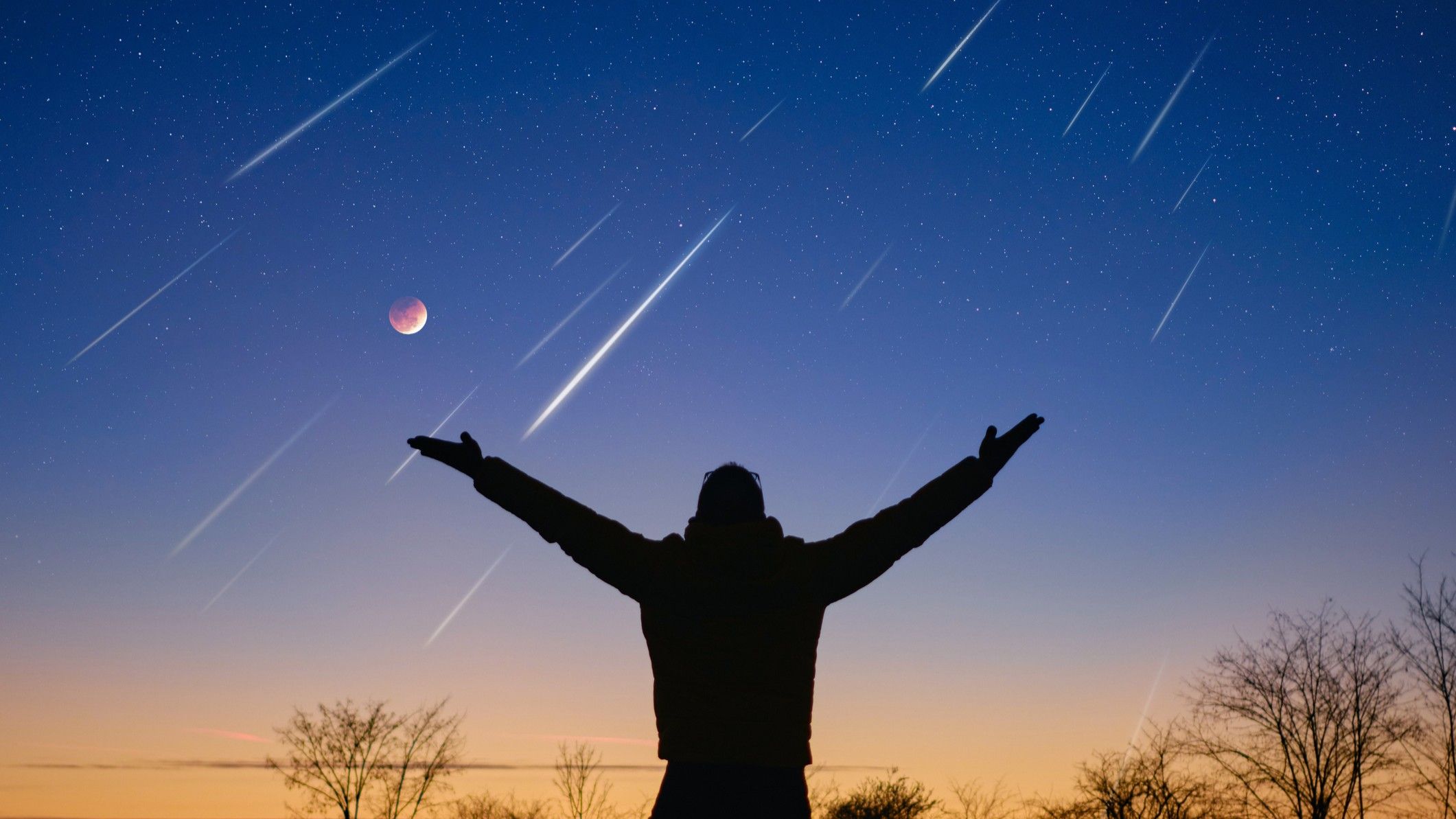
The 2026 Leonid meteor shower is expected to be weak, with long periods when no meteors may be visible.
The annual shower can be seen from Earth, and its meteors appear to fan out from the constellation Leo.
They are caused by dust left behind by comet Tempel-Tuttle, which passes through the inner solar system about every 33 years.
When Earth crosses a dense trail of fresh comet dust, the Leonids can produce a meteor storm; the 1966 display was one of the biggest, and storms were also seen in 1833.
This year, forecasts suggest around 15 meteors per hour under ideal conditions at the regular peak.
Forecasts differ slightly on the timing, placing the peak between Nov.
17 and Nov.
18 UTC.

The 2026 Leonid meteor shower is expected to be weak, with long stretches when no Leonids may be visible.
The International Meteor Organization forecasts about 15 meteors per hour at the shower’s regular maximum under ideal viewing conditions.
Forecasts differ on when the peak will occur, placing it between 16:00 UTC on Nov. 17 and 00:00 UTC on Nov. 18.
The Leonids are caused by debris from comet Tempel-Tuttle, which last passed through the inner solar system in 1998.
- Who
- Meteor watchers and observers of the Leonid meteor shower.
- What
- The 2026 Leonid meteor shower is expected to be weak. About 15 meteors per hour may be visible at its regular maximum under ideal conditions.
- When
- The regular maximum is forecast for Nov. 17 or 18, 2026.
- Where
- The shower’s radiant is in the constellation Leo. The article does not state a specific viewing location for 2026.
- Why
- The article says significant activity is not expected this year. Leonid meteor storms can occur when Earth hits a fresh debris trail from comet Tempel-Tuttle.
This story does not have two clearly opposing sides.
A major Leonid display lit the predawn skies over the central and western United States.
Comet Tempel-Tuttle last passed through the inner solar system.
Leonid displays of up to a few thousand meteors per hour occurred in 1999, 2001 and 2002.
Forecasts place the shower’s peak between 16:00 UTC on Nov. 17 and 00:00 UTC on Nov. 18.
- Expected rate
- Around 15 meteors per hour under ideal conditions
- International Meteor Organization forecast
- Nov. 17 at 23:45 UTC
- Campbell-Brown and Brown forecast
- Nov. 18 at 00:00 UTC
- Mikhail Maslov forecast
- Nov. 17 at 16:00 UTC
- Comet
- Tempel-Tuttle; orbital period of 33⅓ years
1 source
What people are saying
that's not likely to be the case this year.