

Politics · India · 6 hrs ago
Private guards to take on more non-armed airport security duties in India
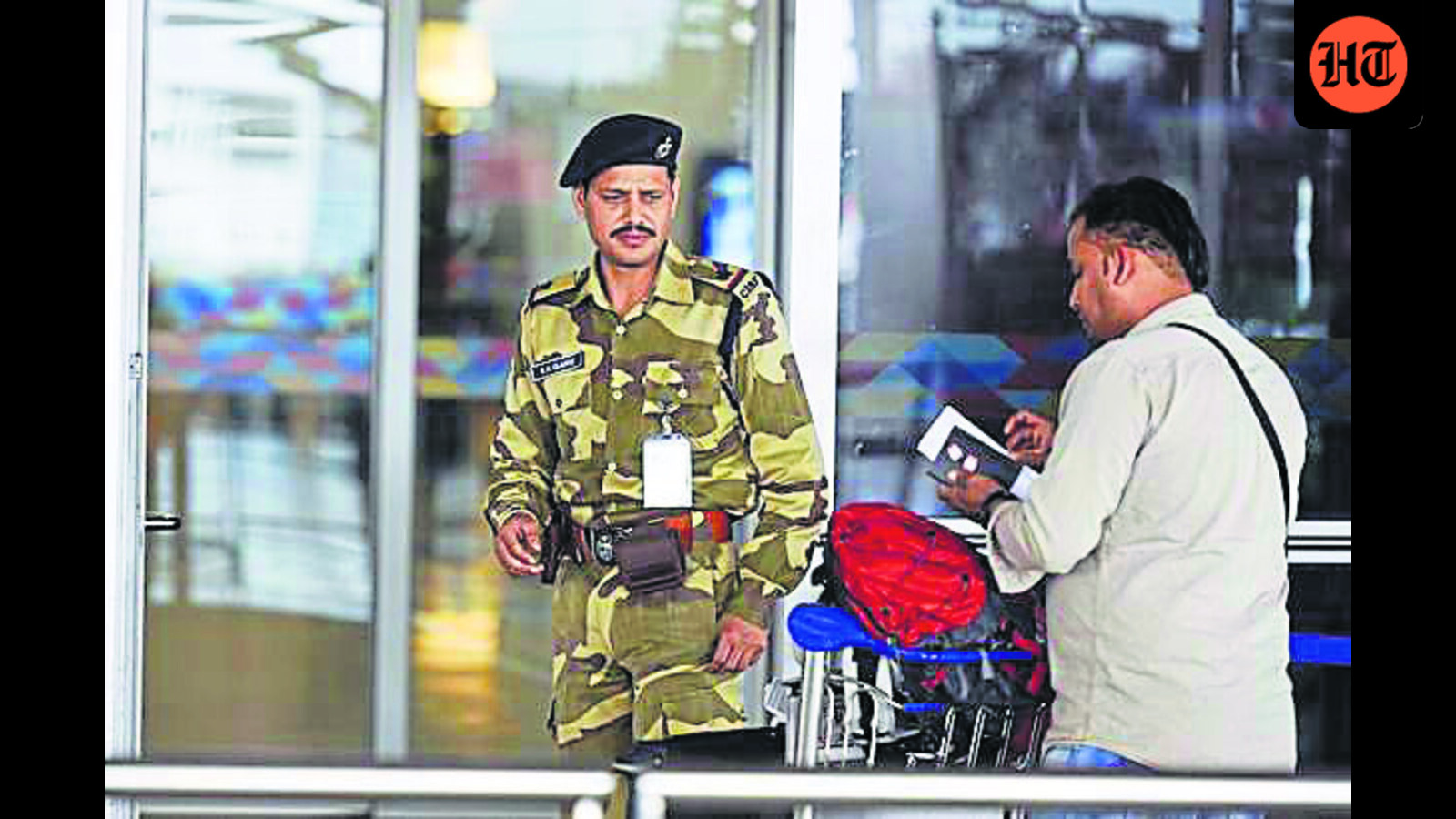
India's civil aviation ministry has approved new airport security rules that shift some duties from CISF to private guards.
The changes will be introduced in phases, with private security agencies taking on tasks that do not require armed staff.
The CISF will keep responsibility for armed protection and other critical security work, including perimeter patrols, surveillance and quick response teams.
The rules follow a year of surveys involving airport operators and government agencies, and were shared with stakeholders in an October 27 order from the Bureau of Civil Aviation Security.
The plan is intended to control security costs and avoid raising the Passenger Service Fee, which helps pay for CISF deployment.
Airports are grouped by passenger numbers and flight activity, and the new rules set staffing levels for different security functions.
Airport operators and regional security teams are to conduct airport-specific staffing surveys as the changes proceed.

New airport security norms in India are expected to reduce the number of CISF personnel at terminals and expand private security staff’s role in non-armed duties.
The Bureau of Civil Aviation Security shared the plan with stakeholders in an October 27 order, after a year of surveys.
The redeployment will take place in phases, while the CISF retains responsibility for armed protection and other critical security functions.
The plan is intended to control security spending and avoid an increase in the Passenger Service Fee.
Of 119 airports, the CISF guards 74 and state police guard 45.
- Who
- The CISF and private security agencies at airports in India.
- What
- Private agencies are expected to take on more duties that do not require armed personnel, while CISF deployment is likely to decline.
- When
- The BCAS shared the order on October 27. Redeployment will happen in phases.
- Where
- Airport terminals across India.
- Why
- The plan aims to control security spending and avoid increasing the Passenger Service Fee.
This story does not have two clearly opposing sides.
Airport operators, the Intelligence Bureau, the CISF, and the Home and Civil Aviation ministries were involved in surveys that informed the plan.
The BCAS shared the plan with stakeholders through an order.
Redeployment is expected to reduce CISF staffing at some duty points and increase private security staff in non-armed functions.
- Airports covered
- 119
- CISF-guarded airports
- 74
- State-police-guarded airports
- 45
- Personnel reserves
- 28% for CISF; 14% for state police
- DigiYatra staffing
- One passenger service assistant per lane; one assistant sub-inspector to supervise every six lanes
What people are saying
Government wants to avoid passing on additional security costs to passengers through a higher PSF at a time when demand is lower, airfares remain high and airlines are facing financial pressure due to elevated fuel costs.
The revised norms prescribe a reserve of 28% for CISF and 14% for state police personnel.