

Health · Public Health & Disease · 1 hr ago
Trial links a longer-lasting hand sanitizer to fewer respiratory symptoms
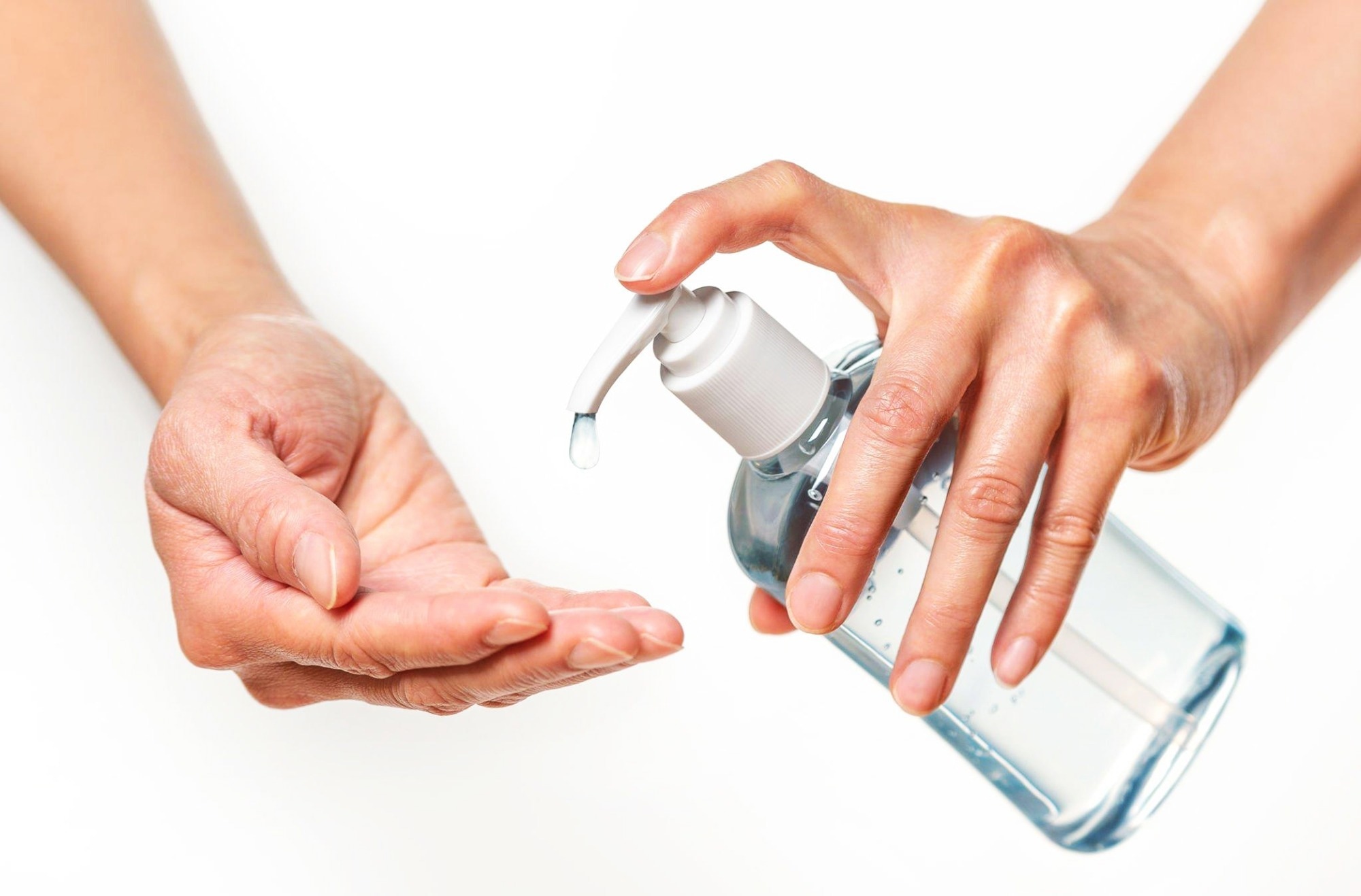
A trial in Japanese households compared two hand sanitizers over 72 days during the winter of 2023–24.
It included 568 adults from 417 households, with participants aged 20 to 65.
One group used a formulation designed to keep working on the skin for up to two hours, while the other used a commercial ethanol-based sanitizer.
Participants were asked to use their assigned sanitizer five to 10 times a day and record their use and health each day.
The longer-lasting formulation was associated with fewer upper respiratory symptoms and illness-related work restrictions than the commercial sanitizer.
The result matters because ordinary alcohol-based sanitizers have little lasting activity, so hands can be recontaminated after use.
The trial tested sanitizer use in daily life, but did not establish that the formulation prevents respiratory infections; the study excluded people with certain skin conditions and included employees of the companies involved and their household members.

A household trial in Japan found that repeated use of a sanitizer designed to remain active on the skin was associated with fewer upper respiratory symptoms and illness-related work restrictions than a commercial ethanol-based sanitizer.
The double-blind trial included 568 adults from 417 households.
Participants used one of the two sanitizers 5 to 10 times a day for 72 days.
The trial ran from December 20, 2023, to February 29, 2024.
The study was published in Scientific Reports.
- Who
- 568 adults aged 20 to 65 from 417 households, including employees of Kao Corporation or Kao Professional Services and people living with them.
- What
- A trial compared a sanitizer formulated for residual antimicrobial activity with a commercial ethanol-based sanitizer. The study reported fewer upper respiratory symptoms and illness-related work restrictions in the new-formulation group.
- When
- December 20, 2023, to February 29, 2024.
- Where
- Japanese households.
- Why
- To assess whether a sanitizer designed to remain active on the skin could reduce infection-related outcomes compared with a commercial ethanol-based sanitizer.
This story does not have two clearly opposing sides.
The 72-day household trial began.
The trial ended.
News-Medical published its report on the study.
- Participants
- 568 people from 417 households
- Trial duration
- 72 days
- Use frequency
- 5 to 10 times a day
- Study sanitizer
- 62% ethanol, 0.05% benzalkonium chloride and lactic acid
- Comparison sanitizer
- Commercial sanitizer containing 79.7% ethanol
- Residual activity
- Up to two hours on human skin, as previously shown