

Business · Energy & Commodities · 13 hrs ago
Indonesia says year-end food price rises are seasonal, not a supply shortage
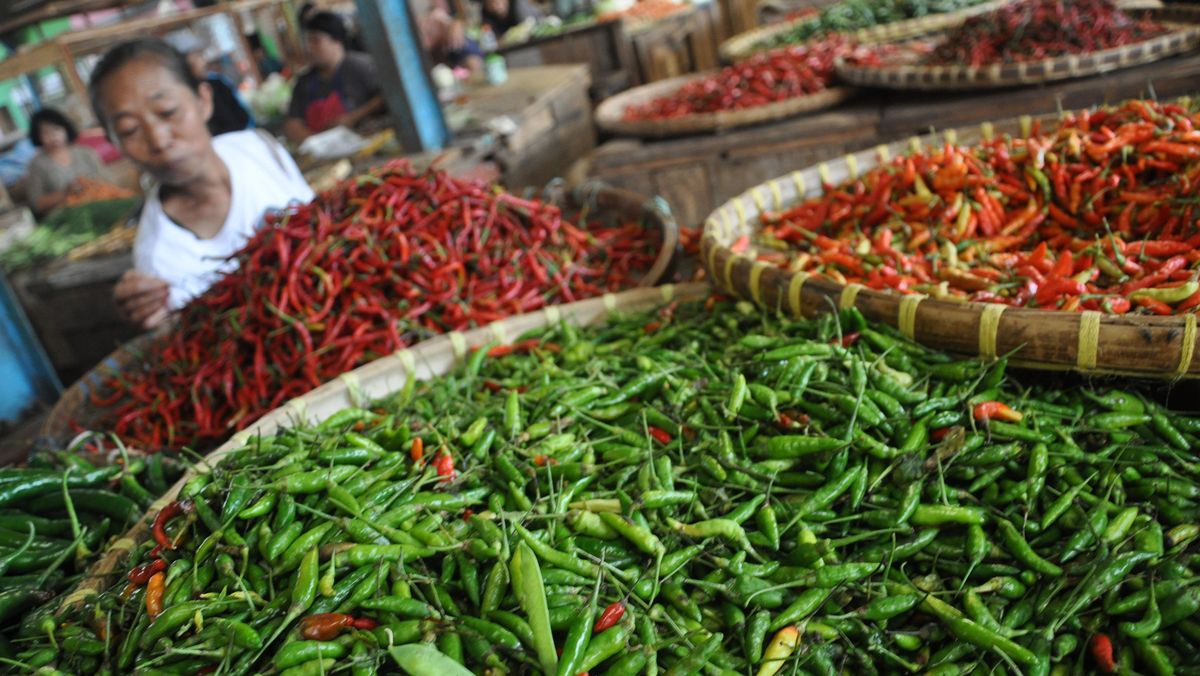
Indonesia’s National Food Agency says some food prices are rising ahead of Christmas and New Year.
The agency says the increases are seasonal and affect certain goods, including chilies, shallots and chicken.
Higher holiday demand, rain-hit crops and costlier transport are contributing to the increases.
The agency says national supplies are not short, and forecasts surpluses in all strategic food commodities through the end of the year.
Rice stocks are projected at about 13.9 million tonnes, enough for more than five months of needs, while chicken and eggs are also forecast to be in surplus.
The government plans to move food to areas with shortages, provide rice at stabilized prices and hold low-price food markets in places where prices have risen.
Officials will monitor prices and stocks, investigate unusual increases and act against proven hoarding or price manipulation, but there is no set date for prices to fall because crops depend on the weather and harvests.

Indonesia’s National Food Agency says year-end food price rises are seasonal and do not reflect a national supply shortage.
The agency attributes the increases to higher holiday demand, rain-affected horticulture production and longer, more costly deliveries.
Its November 3 projection showed strategic commodities would remain in surplus through the end of 2026.
The agency is monitoring prices and plans measures including moving food from surplus areas to areas in deficit.
On November 19, several food prices had risen, including medium-sized shallots and curly red chilies.
- Who
- Indonesia’s National Food Agency, through deputy Hermawan, explained the price rises.
- What
- The agency said some food prices were rising seasonally, not because national supplies were insufficient.
- When
- The report was published on November 19, 2026, ahead of Christmas and New Year.
- Where
- Indonesia; the agency highlighted areas far from production centers and areas with high holiday demand.
- Why
- Higher holiday demand, rain-affected horticulture production and longer, more costly deliveries were contributing to the increases.
This story does not have two clearly opposing sides.
The National Food Balance projection showed strategic commodities were expected to remain in surplus through the end of the year.
The agency described the price rises as seasonal, and national food price data recorded increases in several commodities.
The agency said demand typically rises around Christmas and New Year and identified this as one factor behind price increases.
- Projected rice stocks
- About 13.9 million tonnes, enough for more than five months of needs
- Projected consumer sugar stocks
- About 1.9 million tonnes
- Medium-sized shallots
- Rp38,800 per kilogram, up Rp1,200 or 3.19%
- Curly red chilies
- Rp83,250 per kilogram
- Ras chicken meat
- Rp38,750 per kilogram, up 0.91%
What people are saying
The problem is the distribution and timing of supplies, not a shortage of national stocks.
The commodities we are watching are chilies and shallots because of weather factors.
Business operators proven to hoard or manipulate prices will be dealt with according to the rules.