

Health · Medical Research · 11 hrs ago
Plant fiber and indigestible proteins shape gut bacteria’s chemical output
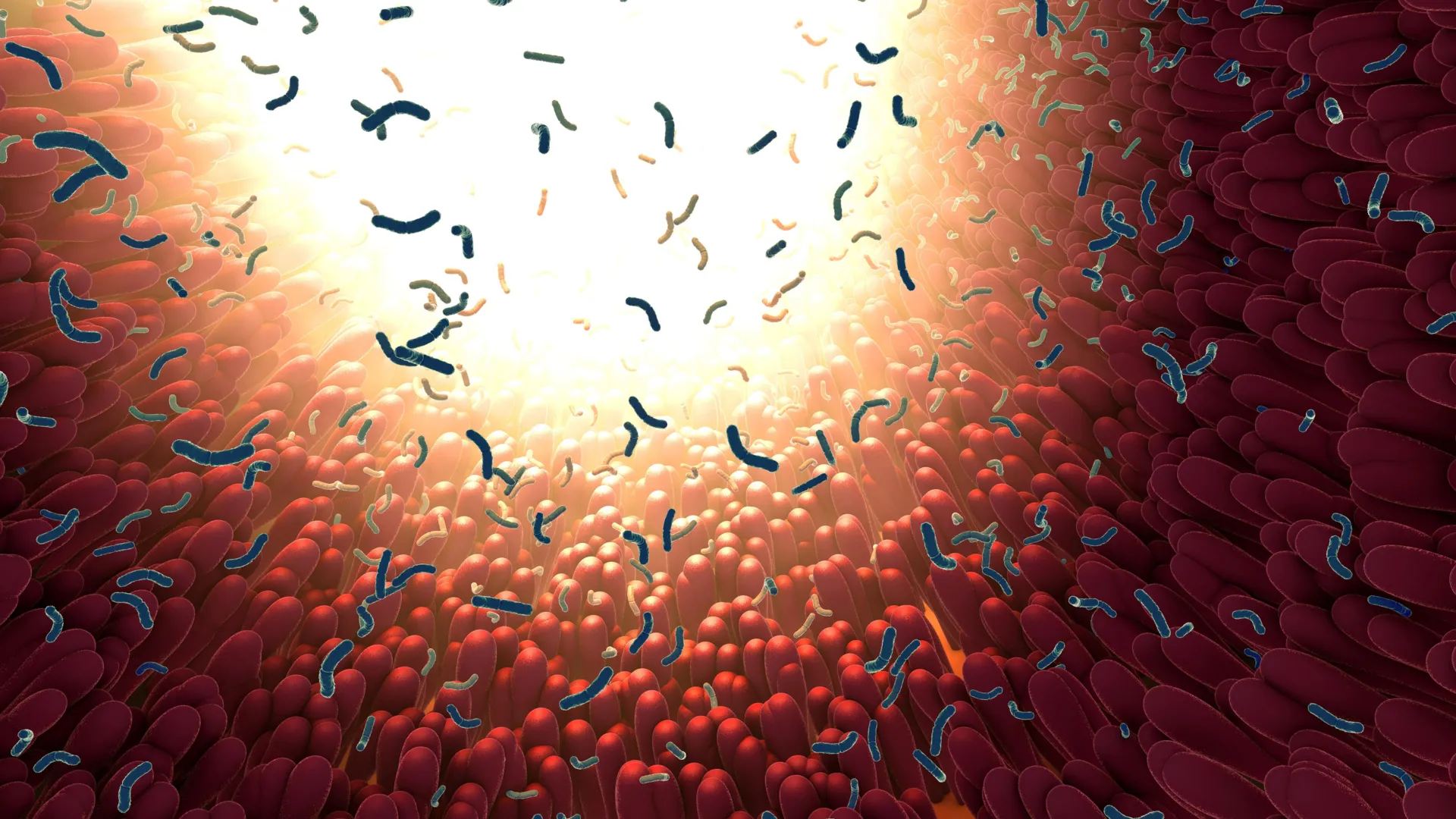
Researchers led by Jenna AbuSalim and Joshua Rabinowitz studied how plant foods affect chemicals made by gut bacteria.
The team found that fiber and some plant proteins that resist digestion can both reach gut microbes and provide material for them to process.
Together, they shifted the balance toward phenol compounds made from phenylalanine, which are associated with healthy body weight and better gut health.
Other phenol compounds, made from tyrosine, have been linked to worse outcomes in cancer patients and harmful effects in people with kidney disease.
This suggests plant proteins may support fiber’s effects on the gut microbiome, the community of microorganisms living in the intestines.
The findings could help researchers understand how diet influences the microbiome and its products, but the study does not establish that these foods prevent or treat disease.

A study found that plant fiber and indigestible plant proteins can shift gut bacteria’s production of phenol metabolites toward compounds associated with better health.
The researchers call the indigestible proteins “proteins imitating fiber,” or Prif.
The study found that the compounds made from phenylalanine were associated with healthy body weight and better gut health, while compounds made from tyrosine have been linked to worse outcomes in cancer patients and harmful effects in people with kidney disease.
The research was led by Jenna AbuSalim and Joshua Rabinowitz at the Princeton Branch of the Ludwig Institute for Cancer Research.
- Who
- Researchers led by Jenna AbuSalim and Joshua Rabinowitz.
- What
- They studied how plant fiber and indigestible plant proteins influence gut bacteria’s production of phenol metabolites.
- When
- The PNAS study is described in an article published on November 9, 2026. Its publication date is not stated.
- Where
- Princeton Branch of the Ludwig Institute for Cancer Research.
- Why
- To understand how components of plant foods affect which chemicals gut bacteria produce.
This story does not have two clearly opposing sides.
A related study was published in Nature Metabolism.
ScienceDaily published an article describing the PNAS study.
- Researchers
- Jenna AbuSalim and Joshua Rabinowitz
- Research institution
- Princeton Branch of the Ludwig Institute for Cancer Research
- Study outlet
- Proceedings of the National Academy of Sciences
- Indigestible plant proteins
- Called “proteins imitating fiber,” or Prif
- Phenylalanine-derived metabolites
- Phenylpropionate and hippuric acid
- Tyrosine-derived metabolites
- p-cresol sulfate and phenol sulfate
What people are saying
Our studies showed that both the fiber and indigestible proteins from plants -- which we call 'proteins imitating fiber,' or Prif -- shift the balance of phenol metabolites from the harmful kind made from tyrosine to the healthful variety derived from phenylalanine.
Diet holds great promise for controlling the microbiome and its outputs. But to devise effective therapeutic interventions, we need to understand what aspects of the diet control which microbial outputs.