

Business · Companies · 6 hrs ago
Nvidia lowers published bandwidth figures for Vera Rubin chips
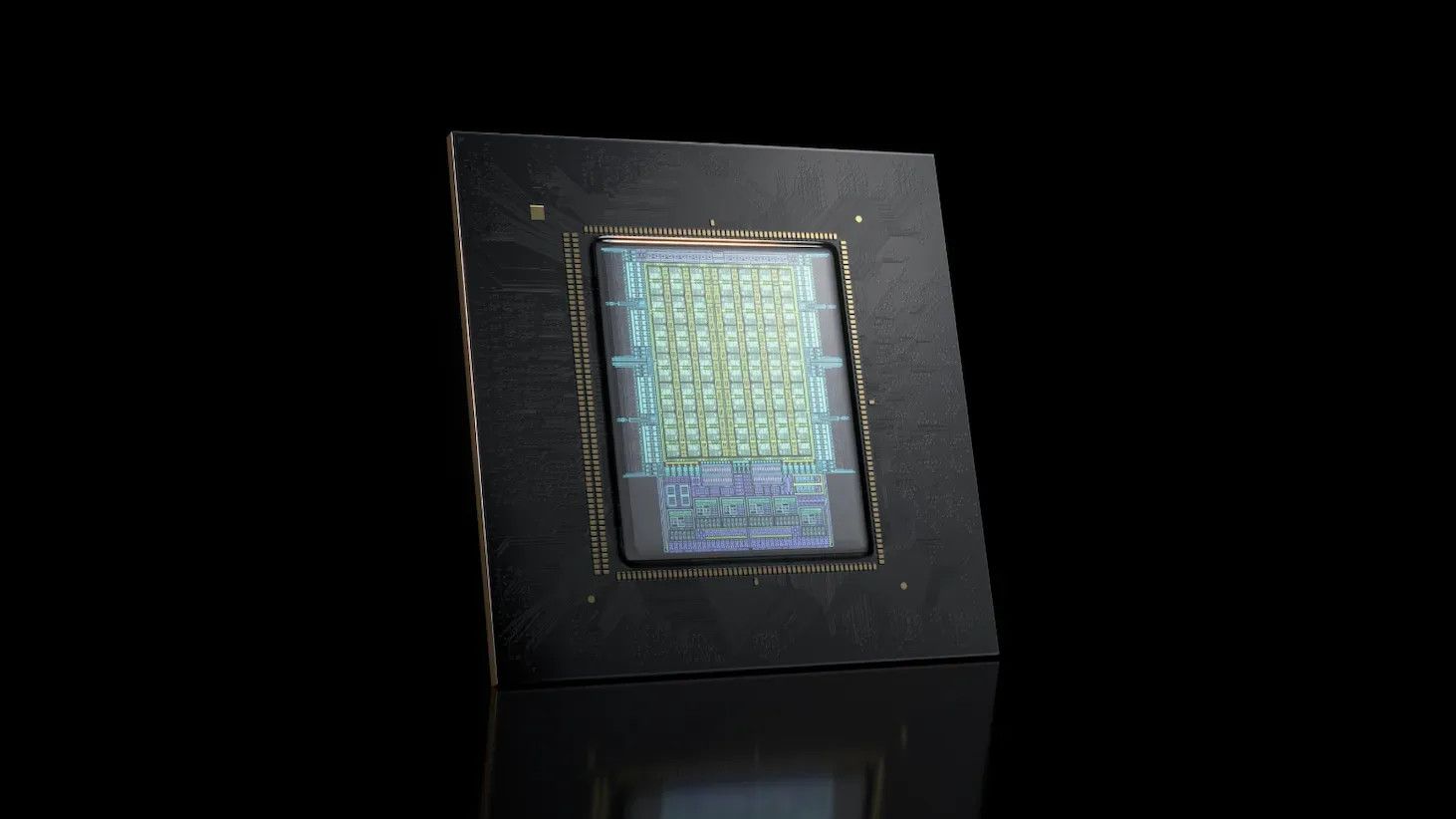
Nvidia has lowered the published bandwidth figures for its Vera Rubin AI hardware, changing figures on product pages without an announcement or explanation.
The revisions cover the chips’ HBM4 memory and NVLink connections, which move data between processors.
Nvidia now lists 19.2 terabytes per second of memory bandwidth per GPU, down from 22, and 3 terabytes per second of NVLink bandwidth, down from 3.6.
The eight-GPU HGX Rubin NVL8 takes the largest reported cut, with system memory bandwidth falling 26%, from 176 to 130 terabytes per second, and capacity dropping from 2.3 to 2 terabytes.
The lower figures matter because customers rely on these specifications to assess how quickly systems can handle data-intensive AI work; Nvidia has not said why it changed them.
Some figures on Nvidia’s pages still conflict, and the company has not clarified which hardware configuration accounts for the revised totals.

Nvidia has lowered published bandwidth figures for its Vera Rubin chips without announcing the changes or explaining them.
The Vera Rubin NVL72 page now lists 19.2 TB/s of HBM4 bandwidth and 3 TB/s of NVLink 6 bandwidth per GPU, down from 22 TB/s and 3.6 TB/s.
The eight-GPU HGX Rubin NVL8 system’s listed HBM4 bandwidth fell from 176 TB/s to 130 TB/s, while its capacity dropped from 2.3 TB to 2 TB.
Other figures were also reduced, including aggregate bandwidth for the NVL72 rack and the two-GPU Vera Rubin Superchip.
The revised figures appeared on Nvidia’s product pages, but some published per-GPU figures still do not match the system totals.
- Who
- Nvidia.
- What
- It lowered published bandwidth figures for Vera Rubin memory and interconnect products. It has not explained the changes.
- When
- The edits were made between September 1 and September 11, 2026, according to Wayback Machine snapshots cited in the article.
- Where
- Nvidia’s Vera Rubin product pages and documentation.
- Why
- Not stated.
This story does not have two clearly opposing sides.
JEDEC published the HBM4 standard, specifying up to 8 Gb/s per pin across a 2,048-bit interface.
A saved copy of Nvidia’s documentation showed higher bandwidth figures than the later version.
Nvidia’s second-quarter results said Vera Rubin racks were running at partners including CoreWeave, Google Cloud and Microsoft Azure.
Wayback Machine snapshots place the product-page edits within this period.
TechRadar reported that Nvidia had lowered the published figures.
- Vera Rubin NVL72 HBM4 bandwidth
- 19.2 TB/s per GPU, down from 22 TB/s
- Vera Rubin NVL72 NVLink 6 bandwidth
- 3 TB/s per GPU, down from 3.6 TB/s
- HGX Rubin NVL8 HBM4 capacity
- 2 TB, down from 2.3 TB
- HGX Rubin NVL8 system HBM4 bandwidth
- 130 TB/s, down from 176 TB/s
- Vera Rubin NVL72 rack aggregate memory bandwidth
- 1,400 TB/s, down from 1,580 TB/s
What people are saying
the quiet way: by editing the product pages