Health · Mental Health · 1 day ago
Why accepting compliments can feel awkward

Many people respond to a compliment by joking, correcting it or changing the subject.
Psychotherapist Chandni Tugnait says praise can feel uncomfortable because it puts attention on the person receiving it.
Past praise that was rare, tied to achievement or followed by criticism can also make kind words seem suspicious.
Vague compliments may be harder to believe than specific ones that match something a person recognises in themselves.
The awkwardness does not necessarily mean the compliment is insincere, and the giver may not realise how much it matters to the receiver.
Tugnait suggests trying a simple “thank you” without adding a correction or explanation.

A psychotherapist says several factors can make people feel awkward when they receive compliments.
Being noticed can feel exposing, especially for people who prefer to stay out of the spotlight.
Praise linked to pressure or criticism in childhood may lead people to suspect a hidden motive.
Vague praise can feel untrue, while specific compliments may be easier to accept.
Dr Chandni Tugnait suggests replying with a simple “thank you” without correcting or deflecting the compliment.
- Who
- Dr Chandni Tugnait, a psychotherapist, explains why people may struggle to accept praise.
- What
- The article describes reasons compliments can feel awkward and suggests accepting them with a simple thank you.
- When
- Published on October 11, 2026.
- Where
- The explanation appeared in Hindustan Times’ HT Lifestyle.
- Why
- Attention can feel exposing, past praise may have been tied to criticism or expectations, and vague compliments may not feel credible.
This story does not have two clearly opposing sides.
As an adult, a kind word can set off a small suspicious thought, such as what do they want from me, even when the person means every word
Remember, none of this means you must feel completely at ease the next time someone praises you. A simpler goal is enough, like try replying with a plain thank you and nothing else, and let the sentence sit there without correcting it
This story does not have a timeline yet.
- Expert
- Dr Chandni Tugnait
- Outlet
- Hindustan Times
- Publication date
- October 11, 2026
- Suggested response
- Say “thank you” without adding a correction or deflection
Sources
Related news

UNICEF Korea and Tomorrow X Together launch youth mental health chatbot

Gifted education expert warns Brazil’s new student register could exclude some children

Study links cannabis-related anxiety in mice to central amygdala neurons
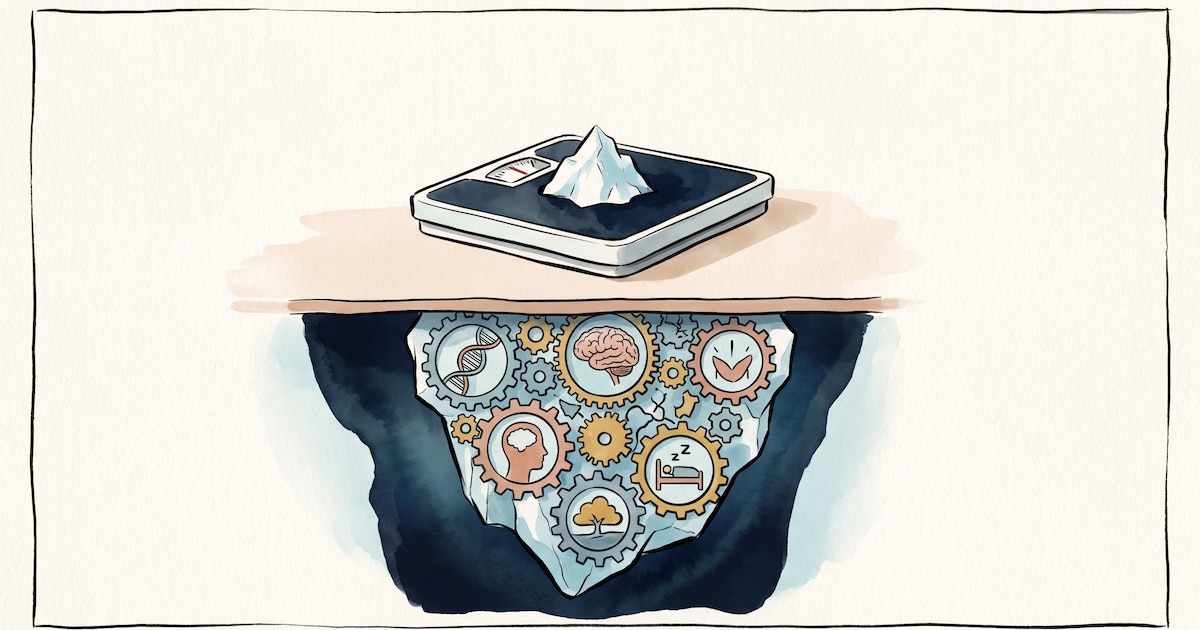
Psychological support can improve weight-loss treatment

Interest in Wellness Rooms Grows as Research Examines Nature and Health

Why “I’m Sorry You Feel This Way” Can Sound Like a Non-Apology

Ambition Can Help People Succeed but May Also Undermine Trust

Couples urged to consider consensual masturbation as a shared sexual option

Fathers’ Regret Can Reflect What They Lost in Themselves

Psychotherapist links anxiety, anger and creativity

Mother’s work commitment clashes with urgent care for her daughter