

Science & Tech · Science & Environment · 7 hrs ago
Climate change is shifting the colors of coral and the Arctic
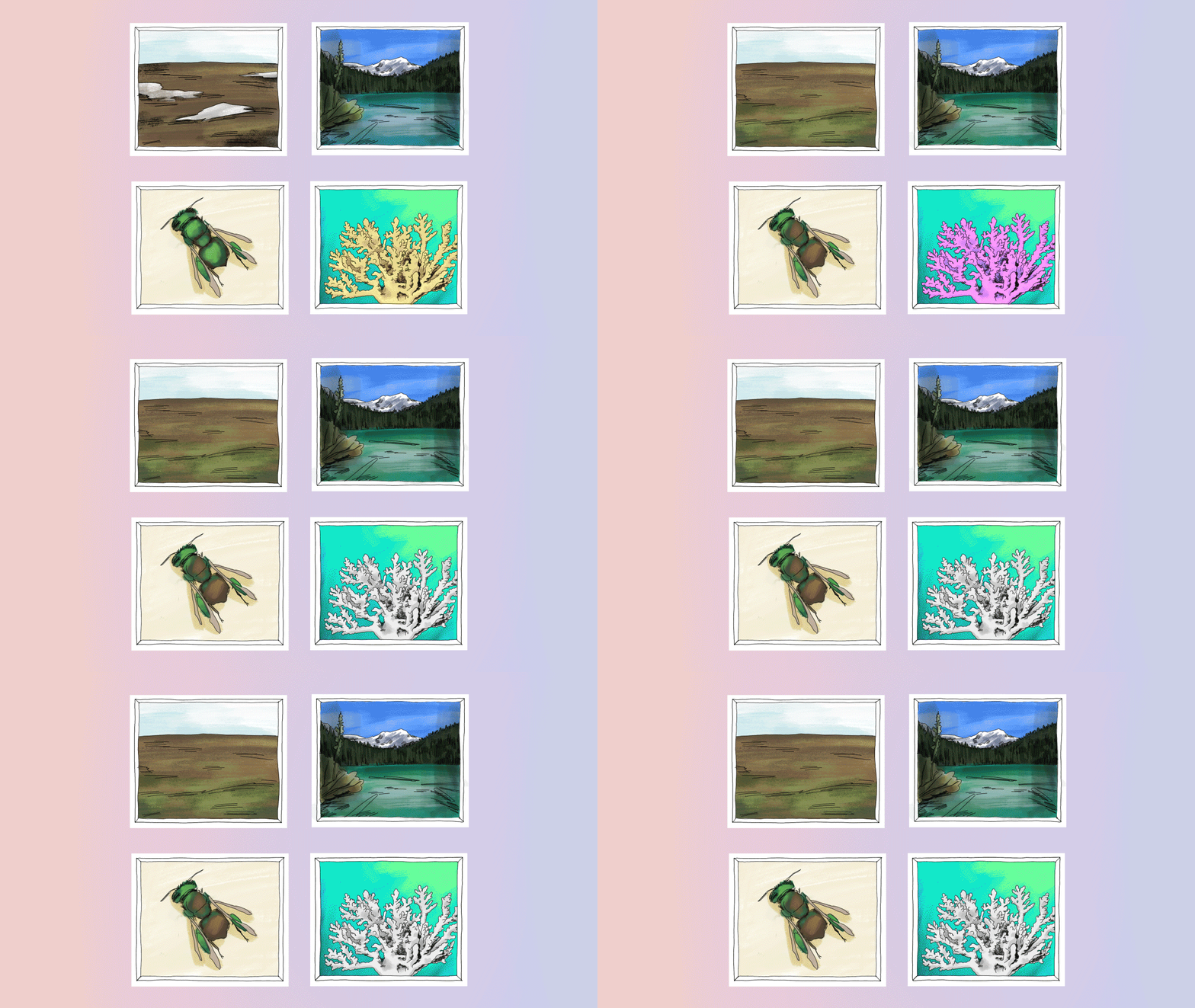
Climate change is changing nature’s familiar colors in places such as coral reefs and the Arctic.
Warming ocean water bleaches colorful coral white, leaving it more vulnerable to disease and other stresses that can lead to death.
Wildfires and pollution spread dark soot over Arctic snow and ice, where it absorbs sunlight and adds to melting.
Faster Arctic melting contributes to sea level rise, which threatens communities around the world, while soot also pollutes air and water.
A study found greening at about 38% of sampled Arctic sites between 1985 and 2016, as plants became taller, denser or healthier in some places.
These shifts can affect Arctic residents’ food supplies, as expanding shrubs shade berry patches and changing weather alters when fruit grows and its quality; scientists are still working to understand some effects.

Climate change is shifting natural colors, including bleaching coral and darkening Arctic snow with soot.
Warming ocean waters turn vibrant coral white, leaving it more vulnerable to disease and other stressors that can lead to death.
Wildfires and soot pollution cover Arctic ice and snow with dark particles that absorb heat and worsen melting.
Satellite data show that about 38% of sampled Arctic sites showed greening between 1985 and 2016.
Arctic greening can affect people who rely on local resources, including by allowing shrubs to shade berry patches.
- Who
- Coral reefs and Arctic landscapes are affected. Arctic residents who rely on natural resources can also be affected.
- What
- Climate change is shifting natural colors, including bleaching coral and contributing to darker Arctic snow and greener vegetation.
- When
- These changes are occurring as the climate warms. A study found Arctic greening at many sites between 1985 and 2016.
- Where
- Coral reefs and the Arctic, including sites across Alaska, Canada and western Eurasia.
- Why
- Warming ocean waters bleach coral, while soot darkens snow and absorbs heat. Warmer summers are strongly linked to increased average Arctic greenness.
This story does not have two clearly opposing sides.
A study using satellite data found that about 38% of sampled sites across Alaska, Canada and western Eurasia showed Arctic greening.
Measurements of annual peak greenness show that the Arctic has overall become greener.
- Coral bleaching
- Warming ocean waters turn vibrant coral white.
- Arctic soot
- Dark particles from wildfires and pollution coat snow and ice and absorb heat.
- Greening sites
- About 38% of sampled Arctic sites showed greening between 1985 and 2016.
- Study publication
- A study on Arctic vegetation was published in Nature Communications in 2020.
What people are saying
Many young scientists who are working on coral reefs don’t realize that what they’re seeing is vastly degraded
We know that the high northern latitudes are warming faster than the rest of the planet
But there’s enough greening that if you look at the average greenness of the Arctic over time, it’s going up