

Business · Economy · 1 day ago
South Korean deposit rates rise as household borrowing costs increase
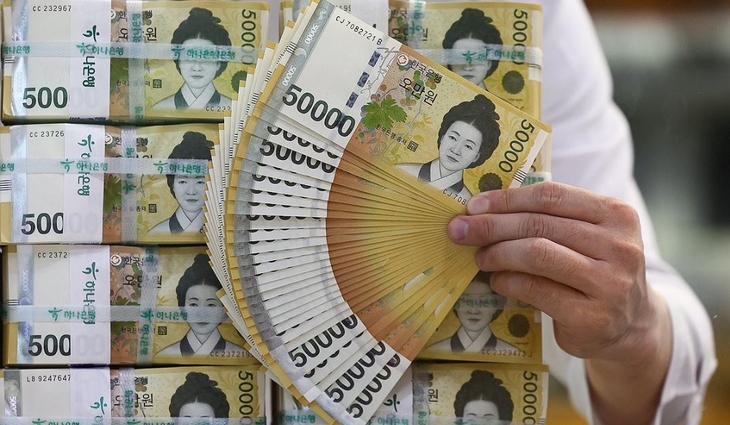
In South Korea, banks raised rates on fixed-term deposits, making it easier for savers to find higher returns.
In September, 10.6% of newly opened fixed-term deposits offered at least 4%, the first time the share had reached double digits since December 2023.
The average rate on new deposits was 3.39%, while one-year deposits averaged 3.57%.
Borrowing also became more expensive: the average rate on new household loans rose to 4.96%, up 0.79 percentage points from a year earlier.
The shift followed two consecutive Bank of Korea rate increases in July and August, and banks raised rates on several popular deposit products.
Higher rates benefit savers but burden borrowers, with more household loans now carrying rates of 4% or above.
The Bank of Korea held its policy rate in October, but political and financial circles expect a possible increase in the first half of next year.

South Korean banks raised deposit rates as household borrowing costs also increased.
The average rate on new time deposits reached 3.39% in September, up 0.25 percentage points from August.
The share of new time deposits paying at least 4% rose to 10.6%, the first double-digit share since December 2023.
The average rate on new household loans climbed to 4.96%, up 0.79 percentage points from a year earlier.
Higher deposit rates may benefit savers, while rising loan rates add to borrowers’ interest burdens.
- Who
- South Korean banks, depositors and household borrowers.
- What
- Deposit rates and household borrowing costs rose.
- When
- September data reported on November 1, 2026.
- Where
- South Korea.
- Why
- The article links the rate increases to the Bank of Korea’s consecutive policy rate hikes in July and August.
Depositors
Household borrowers
Effect of higher rates
Depositors
Higher deposit rates offer savers better returns.
Household borrowers
Higher loan rates increase borrowers’ interest costs.
The Bank of Korea raised its policy rate in consecutive months.
The average rate on new time deposits was 3.39%, while the average rate on new household loans was 4.96%.
The Monetary Policy Board held the policy rate unchanged.
에너지경제신문 published its report on rising deposit rates and household borrowing costs.
- Average new time deposit rate
- 3.39% in September
- Time deposits paying at least 4%
- 10.6% of new deposits in September
- Average new household loan rate
- 4.96% in September
- One-year time deposit rate
- 3.57%
- New mortgage rate mix
- Fixed-rate share fell to 34.2%; variable-rate share rose to 65.8%
1 source
What people are saying
It will be difficult to return to low interest rates for the time being.