

Business · Economy · 11 hrs ago
Baby boomer home sales are unlikely to ease housing shortages in German cities
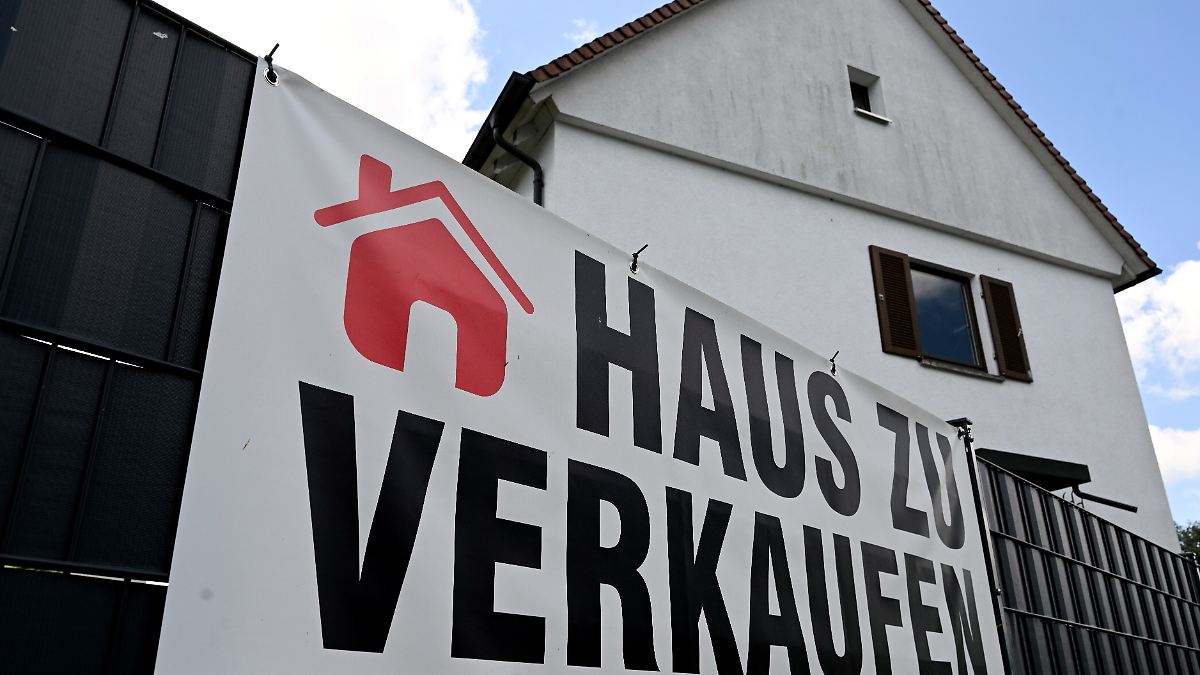
A study by the Sparda-Banks association and the German Economic Institute says baby boomer home sales will not solve Germany’s housing shortage.
Germany has about 5.3 million owner households aged 65 or older and a similar number of renter households aged 30 to 44.
But many homes that may become available are in rural areas, while demand is strongest in major cities.
Even including nearby areas, potential supply would not meet younger households’ demand in 34 of the 70 large cities studied.
The study also found that 37 percent of older owner households consider their homes too large, while 35 percent of younger renter households say theirs are too small.
High costs and a lack of suitable smaller homes make it harder for older people to move.
The association says policymakers should improve financing and help people use homes more fully, rather than relying on a wave of sales and inheritances.

A study by the Sparda-Banken association and the German Economic Institute says sales or inheritance of baby-boomer homes are unlikely to ease housing shortages in most German cities.
The study finds a regional mismatch: homes that may become available are often in rural areas, while demand is concentrated in urban centres.
In 34 of 70 large cities analysed, potential supply including nearby areas would not meet younger households’ demand.
The study says about 5.3 million households in Germany with owners aged 65 or older are matched by a similar number of renter households aged 30 to 44.
It also found that 37 percent of older owner households consider their homes too large, while 35 percent of younger renter households consider their homes too small.
- Who
- The Sparda-Banken association and the German Economic Institute (IW) published the study. It examines older homeowners and younger renter households.
- What
- The study says homes sold or inherited as baby boomers age are unlikely to resolve housing shortages in most German cities.
- When
- The articles were published on October 16, 2026. The study’s release date is not stated.
- Where
- Germany, with findings covering 400 counties and independent cities and 70 large cities.
- Why
- Potential homes are often in smaller and rural areas, while demand is greatest in urban centres. Costs, a lack of suitable smaller homes and attachment to familiar surroundings also make it harder for older people to move.
Silver Tsunami expectation
Sparda-Banken association and German Economic Institute (IW)
Effect on housing shortages
Silver Tsunami expectation
The expectation is that baby-boomer homes sold or inherited as owners age could ease housing shortages and lower prices.
Sparda-Banken association and German Economic Institute (IW)
The study says the generational change will not make enough homes available where younger households need them.
Role of homes becoming available
Silver Tsunami expectation
A large number of homes becoming available could help address Germany’s housing shortage.
Sparda-Banken association and German Economic Institute (IW)
Potential supply is often concentrated in rural areas, while demand is concentrated in cities.
This story does not have a timeline yet.
- Older owner households
- About 5.3 million households in Germany with owners aged 65 or older
- Younger renter households
- About 5.3 million households aged 30 to 44
- Counties and independent cities
- 400 included in the census analysis
- Older versus younger households
- Older owner households outnumber younger renter households in 300 counties
- Large cities
- Potential supply including nearby areas falls short of younger households’ demand in 34 of 70 cities
- Housing size
- 37% of older owner households say their home is too large; 35% of younger renter households say theirs is too small
2 sources
What people are saying
Hope for a Silver Tsunami is not a housing policy strategy.
Nobody should have to give up their home.
But those who want to downsize voluntarily, share their house or create additional living space should be supported—instead of failing because of costs and bureaucracy.
A potentially available home in the countryside does not solve the problem of a young family in a big city.