

Business · Markets · 1 hr ago
US Midterms May Shift Some Stocks, but Rates and Profits Remain Key
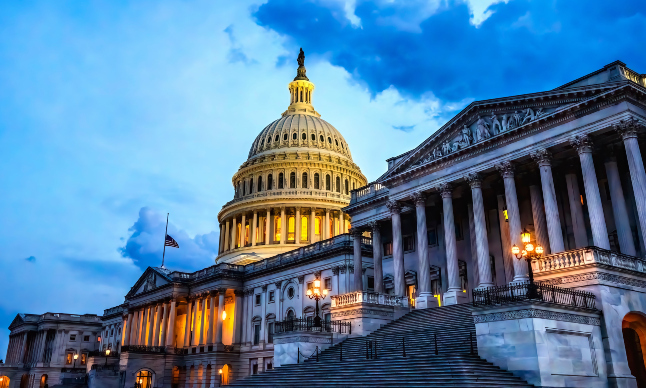
US voters will choose a new House of Representatives and a third of the Senate on November 3, 2026.
Polls and prediction markets favor the Democrats in the House, but forecasts for the Senate differ and polling reliability has been questioned.
A Democratic majority could increase scrutiny of President Donald Trump’s policies, although he would keep his veto and executive powers.
Analysts generally expect limited impact on the overall stock market, though some industries and investment styles could be affected differently.
Investors are watching inflation, interest rates and company profits because they are expected to play a bigger role in stock prices than the election.
They are also weighing whether heavy investment in artificial intelligence will produce lasting returns and how any new rules might affect companies.
The election could matter more later, including during negotiations over the debt ceiling and as investors assess Democratic proposals ahead of the 2028 presidential election.

The US midterm elections could affect some stocks, but interest rates, inflation and company profits are expected to remain major market drivers.
The elections are scheduled for November 3, 2026, and prediction markets favor the Democrats.
A Democratic victory in both chambers could lead investors to anticipate changes to regulation, corporate taxes, health spending and defense priorities.
Analysts cited by finews.ch say the election is unlikely to be a decisive turning point for markets, though it could shift performance between sectors and investment styles.
Investors are also watching inflation, Federal Reserve policy and whether companies can earn returns from artificial intelligence investments.
- Who
- US voters will elect members of Congress. Investors and companies are watching the possible market effects.
- What
- The midterms could shift some stocks and sectors, while rates and company profits remain key market drivers.
- When
- November 3, 2026.
- Where
- United States.
- Why
- A change in control of Congress could affect policy expectations, but markets are also driven by inflation, Federal Reserve policy, company earnings and AI investment returns.
Election-driven market concerns
Market fundamentals view
Potential market impact
Election-driven market concerns
A Democratic win in both chambers could lead investors to anticipate policy changes that affect company profits and Wall Street.
Market fundamentals view
The election is unlikely to be a decisive market turning point, and a possible Democratic win is largely priced in.
Main market drivers
Election-driven market concerns
Policy expectations, including AI regulation, corporate taxes and tariffs, could influence sectors and companies.
Market fundamentals view
Interest rates, inflation, earnings growth and returns on AI investment are more important overall.
finews.ch reported that the US midterm elections were approaching and that prediction markets favored the Democrats.
Cinco Días reported that the elections could create uncertainty for Wall Street.
The US midterm elections are scheduled to take place.
- Election date
- November 3, 2026
- Election outlook
- Prediction markets saw Democrats as favored
- Market drivers
- Interest rates, inflation and company profits
- AI investment
- Returns from AI-related investments remain an important market question
- Possible policy changes
- AI regulation, corporate taxes, health spending and defense priorities
4 sources
Donald Trump will be humiliated within days, but the midterm elections will be good news for share prices, says HAMISH MCRAE
Las claves: las ‘midterms’ abren un horizonte de incertidumbre en Wall Street
US-Midterms: An der Börse zählen Gewinne mehr als Stimmen
What people are saying
Companies ultimately create value through profits, not election results.
The fundamental drivers of returns will continue to be interest rates, earnings growth and the further development of the AI investment cycle.
We do not expect the midterms to have a significant impact on markets – political drama, however, is certainly possible.
The economic outlook is more important to markets than the midterms.