

Politics · South Korea · 11 hrs ago
South Korea’s top court orders landlord to compensate former tenant
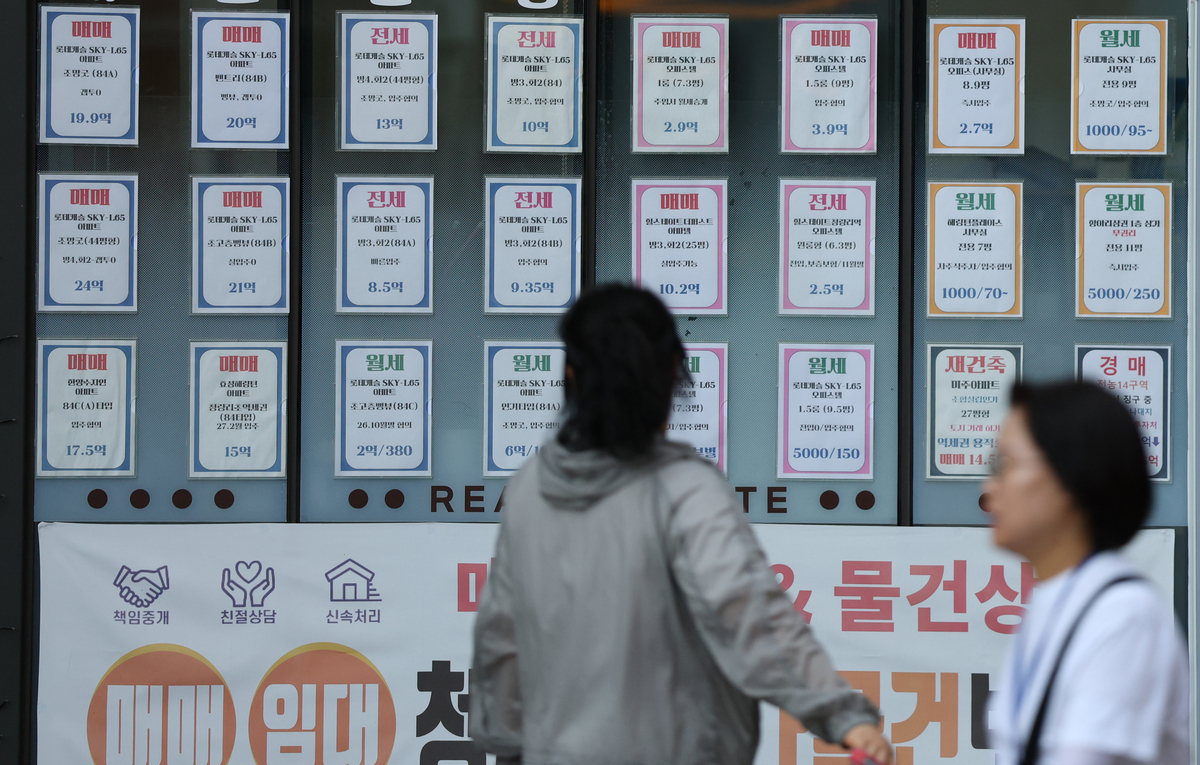
South Korea’s Supreme Court ruled that a landlord must compensate a former tenant after renting out an apartment again.
The apartment is in Seoul’s Seodaemun District, and the tenant had rented it from September 2020 to September 2022.
The tenant asked to renew the lease, but the landlord refused, saying they planned to live there.
South Korean law allows landlords to refuse renewal for their own or close family members’ residence, but requires compensation if they later rent the home to someone else without a valid reason during the renewal period.
The landlord lived in the apartment for more than a year, then rented it to a new tenant for a deposit of 820 million won.
The landlord said they needed money to return deposits to tenants in other properties, but courts found this need was foreseeable and did not make re-renting unavoidable.
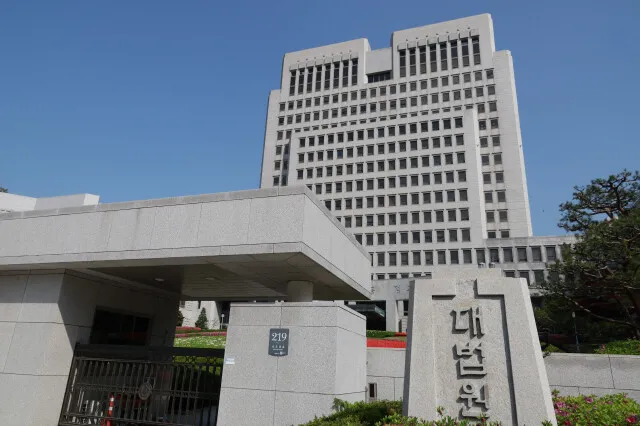
The Supreme Court upheld an order to pay the former tenant about 30.8 million won, plus delay damages.

South Korea’s Supreme Court ruled that a landlord who refused a tenant’s lease renewal on the grounds of personal residence must compensate the former tenant after later re-renting the home without a valid reason.
The court upheld a lower court ruling that the landlord’s need to return deposits to tenants of other properties was foreseeable and did not make re-renting unavoidable.
The landlord must pay about 30.79 million won, plus interest for delay, according to one report.
The tenant had rented the apartment in Seoul’s Seodaemun district from September 2020 for two years.
The landlord lived in the apartment for more than a year before renting it to a new tenant for a deposit of 820 million won.
- Who
- A former tenant sued the landlord who owned the apartment.
- What
- South Korea’s Supreme Court upheld an order for the landlord to pay about 30.79 million won, plus delay damages, for re-renting the home without a valid reason.
- When
- The Supreme Court finalized the appeal on September 10, according to one report; the ruling was reported on October 12, 2026.
- Where
- An apartment in Seoul’s Seodaemun district, South Korea.
- Why
- The landlord refused the tenant’s renewal request citing personal residence, then later re-rented the apartment. The court found the landlord’s stated financial reason was foreseeable and did not make re-renting unavoidable.
Former tenant
Landlord
Grounds for compensation
Former tenant
The landlord re-rented the apartment without a valid reason after refusing the renewal request on personal-residence grounds.
Landlord
The landlord said financial pressure from having to return deposits on six units in another property made re-renting necessary.
Whether the reason was valid
Former tenant
The deposit repayments could have been anticipated when the landlord refused renewal, so they did not justify re-renting.
Landlord
The landlord argued the deposit repayments created an unforeseen economic difficulty.
The tenant began a two-year lease on the apartment in Seoul’s Seodaemun district.
The lease ended after the landlord refused the tenant’s request to renew it, citing personal residence.
The landlord lived in the apartment, then rented it to a new tenant.
The Supreme Court finalized the lower court ruling ordering compensation, according to one report.
- Apartment
- Seoul’s Seodaemun district
- Tenant’s lease
- September 2020 to September 2022
- New tenant’s deposit
- 820 million won
- Compensation
- About 30.79 million won, plus delay damages, according to Munhwa Ilbo
- Decision
- Supreme Court Second Division upheld the lower court ruling
What people are saying
For a justifiable reason to be recognized, the landlord must have rented the property to a third party because of circumstances that could not have been foreseen when rejecting the renewal, and renting the property to a third party must have been unavoidable.
The burden of proving that there was such a justifiable reason rests with the landlord.
Sources
Related news

Kim Min-seok criticizes shifting attacks on president and ruling party

Democrats question whether Han Dong-hoon interfered in inquiry involving daughter
Ceiling collapse at Daegu supermarket injures 36

South Korea opposition calls for unification minister to resign
South Korean committee votes to exclude Lee Jin-sook from commission audit

Guerrilla campaign criticizes political dispute over landmine injuries
Korean Asian Games football gold renews debate over military-service exemptions

Audit says South Korea’s chief justice was involved in judicial incentive payments

South Korea plans tighter military-service exemptions for artists

South Korea opposition leader criticizes president over golf and social media

South Korean President Lee’s approval falls to 35.2% in poll
