

Entertainment · Music · 1 hr ago
Report finds racial bias in London music event licensing
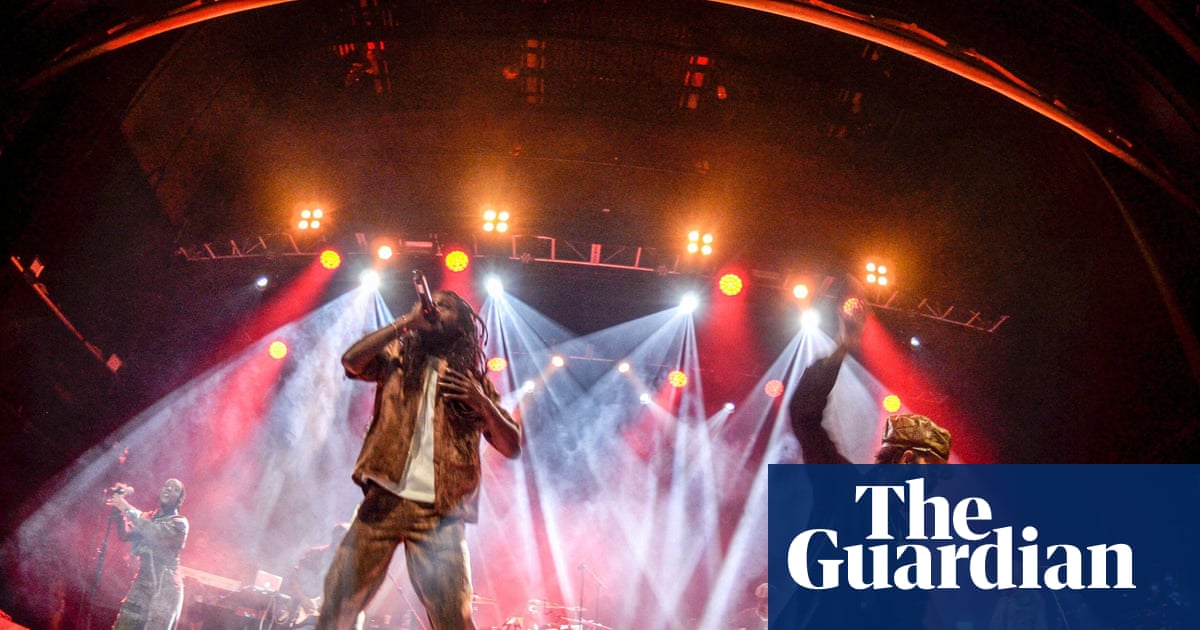
A study commissioned by the Greater London Authority says Black-led music events in London face disproportionate restrictions and cancellations compared with white-led events.
It estimates that cancellations, venue changes and events prevented from happening cost London £127m to £141m a year.
Researchers say genres such as Afrobeats, drill and dancehall are often treated as high risk, while indie, pop and rock events face less scrutiny.
Organisers told researchers that unverified police intelligence and extra security costs can make events difficult to run.
The study also examined South Asian-led events, but incomplete records meant researchers could not establish whether those events were disproportionately cancelled.
The findings echo concerns about Form 696, a police risk-assessment form scrapped in 2017 after criticism that it discriminated against Black music events.
The study makes 19 recommendations, including more transparent licensing decisions, and the Metropolitan Police says it will consider the findings.

A report commissioned by the Greater London Authority says Black-led music events in London face disproportionate restrictions and cancellations because of racial bias in licensing and policing.
The report found that genres including Afrobeats, drill and dancehall are routinely labelled high risk, while indie, pop and rock events face less scrutiny.
It estimates that cancellations, displacement and prevented events cost London £127m to £141m a year.
Researchers said unverified police intelligence, extra security costs and limited opportunities to challenge decisions can make events difficult or impossible to run.
The report sets out 19 recommendations, including more transparent, evidence-based licensing decisions.
- Who
- Black-led music event organisers in London, with South Asian-led events also examined.
- What
- A report found disproportionate licensing restrictions and cancellations linked to racial bias.
- When
- Published on 14 October 2026. The investigation lasted two years.
- Where
- London.
- Why
- The report says licensing and policing decisions are influenced by risk assessments and racialised assumptions about culture and safety.
This story does not have two clearly opposing sides.
The Metropolitan Police introduced Form 696 as a risk assessment tool after a spate of shootings at London club nights.
Form 696 was scrapped after criticism that it discriminated against Black music events.
The REMEL report was published, presenting findings from a two-year investigation.
- Report name
- Race Equality in Music Event Licensing (REMEL)
- Commissioned by
- Greater London Authority
- Annual estimated cost
- £127m to £141m for London
- Projected five-year losses
- More than £650m
- Recommendations
- 19
- Genres flagged as high risk
- Afrobeats, drill and dancehall
3 sources
What people are saying
It’s about race. And that’s what’s so deeply sad about it.
Back in the day when emails were sent and faxes were sent, we had documented evidence. Now what’s happening is it’s whispers, it’s phone calls, it’s conversations, verbal conversations that can’t be recorded.
We've got incidents of licensing decision issues based around race going back that far - to the 1910s, 1900s and so forth.
carefully consider the report's findings