

Politics · United Kingdom · 10 hrs ago
UK Covid inquiry urges closer pandemic co-ordination with Ireland
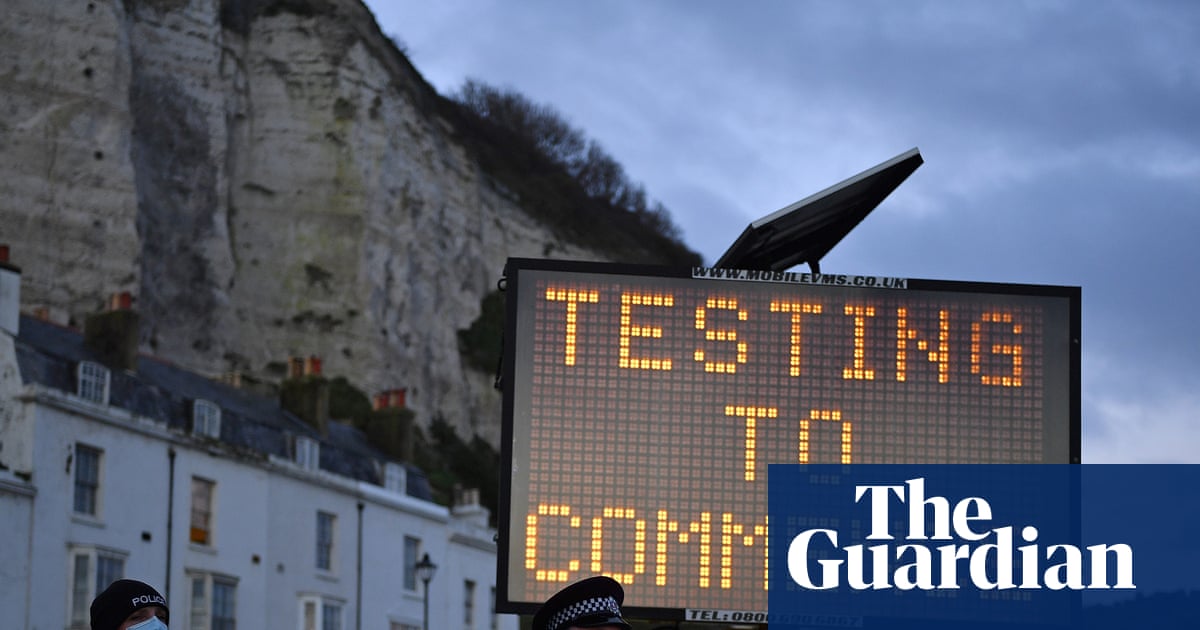
The UK Covid inquiry’s seventh report examined border controls and test-and-trace during the pandemic.
It found that weak early border controls left the UK vulnerable as Covid spread, while a nationwide test-and-trace system took too long to establish.
In early 2020, the UK asked some travellers from high-risk areas, including Wuhan, to self-isolate, but did not introduce further border measures until June.
Because Northern Ireland and the Republic of Ireland share an open land border, the inquiry says future pandemic plans need UK–Ireland co-ordination.
Northern Ireland’s test-and-trace programme was partly successful: its centralised team reached 92% of people who tested positive and their close contacts within 24 hours by June 2020.
The inquiry recommends a UK-wide digital contact-tracing tool, stronger plans for large-scale manual tracing and financial support for people who need to isolate.
The inquiry says better testing, tracing and isolation will be fundamental to saving lives in a future pandemic.

The Covid inquiry found that delayed border controls left the UK in an “extremely vulnerable position” at the start of the pandemic.
The report said the UK lacked effective nationwide systems to test, trace and isolate cases, leaving decision-makers effectively blind to the spread of the virus.
The inquiry said suspending flights from China in February 2020 could have given healthcare systems valuable time to prepare.
It said travel restrictions could have been introduced on 18 February 2020, when the UK had nine confirmed cases.
The report recommended stronger plans for contact tracing and financial support for people who need to isolate.
- Who
- The UK government and public health authorities, as assessed by the Covid inquiry.
- What
- The inquiry found that delayed border controls and inadequate test-and-trace preparations left the UK highly exposed to Covid.
- When
- At the start of the Covid-19 pandemic, particularly in the first six months of 2020.
- Where
- The United Kingdom.
- Why
- The inquiry said the UK lacked a clear early strategy for border controls and was not prepared to deploy effective test, trace and isolate systems.
UK ministers
Covid inquiry
Testing capacity
UK ministers
Ministers said testing capacity was being overwhelmed.
Covid inquiry
The inquiry said the UK should have had robust test, trace and isolate systems ready.
Border controls
UK ministers
Not stated.
Covid inquiry
The inquiry said the lack of early border controls left the UK extremely vulnerable.
Community testing and contact tracing were abandoned in the UK.
The inquiry said this would have been an ideal time to introduce travel restrictions, when the UK had nine confirmed cases.
A coach of tourists from Wuhan entered England and travelled to Scotland, Northern Ireland and the Republic of Ireland.
The report said 93% of countries had introduced measures such as flight suspensions, border controls or travel restrictions.
The Guardian report said further UK travel restrictions were not introduced until this month.
- Inquiry report
- Seventh report of the Covid-19 inquiry
- UK cases on 18 February 2020
- 9 confirmed cases
- Countries with measures by April 2020
- 93%
- UK test, trace and isolate spending
- More than £30bn across the UK, according to the BBC report
- NHS Test and Trace spending
- More than £25bn in England, according to the Guardian report
4 sources
Covid inquiry urges UK–Ireland pandemic co-ordination in future
Covid-19 allowed to spread ‘virtually unchecked’ in early stages of pandemic, inquiry finds
Lack of early border controls made UK ‘extremely vulnerable’ to Covid, inquiry finds
What people are saying
The UK entered the Covid-19 pandemic woefully ill-prepared to implement effective, nationwide test, trace and isolate systems.
Overall, the UK was left in an extremely weak position from which to face the rapidly rising rates of infection.
Suspending all flights from China to the UK in February 2020 could have provided valuable additional time to prepare healthcare systems for the impact of the pandemic.