

Health · Medical Research · 3 hrs ago
Researchers identify prostate cells that may help explain age-related enlargement
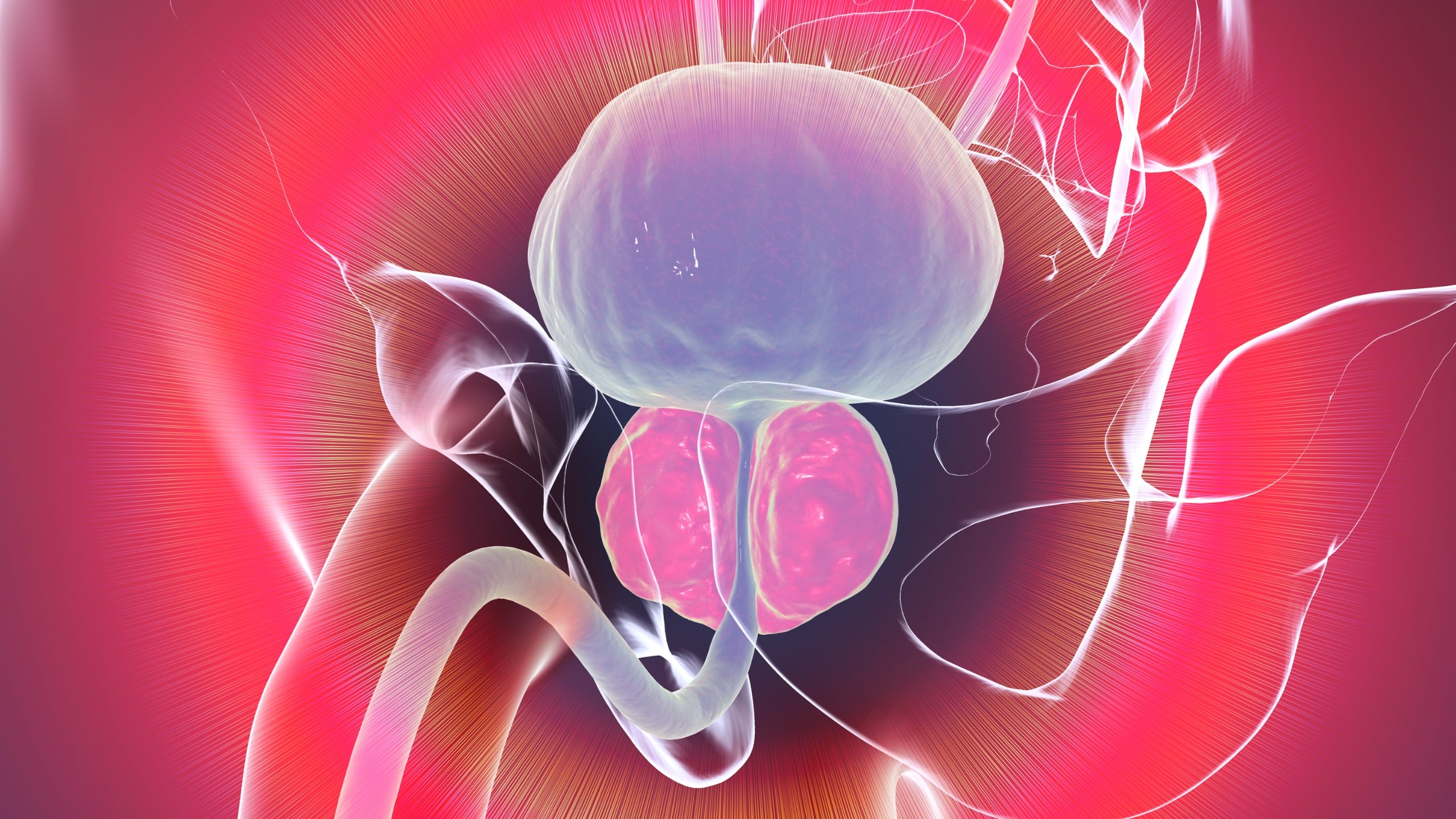
Johns Hopkins researchers identified a prostate cell subtype that may help explain why the gland often enlarges with age.
The study focused on benign prostatic hyperplasia, a noncancerous increase in prostate cell numbers that affects millions of men.
The prostate’s transition zone surrounds the urethra, and enlargement there can narrow the passage and slow or disrupt urination.
Researchers examined nearly 130,000 cells from noncancerous prostate tissue from 10 men who had prostate cancer.
They found WIF1+ basal cells were concentrated in the transition zone and were also more abundant in enlarged prostate tissue.
The cells have gene activity linked to hormone responses and tissue growth, but their role in causing enlargement remains a hypothesis.
The findings may guide further research into why this part of the prostate is especially prone to enlargement; the study does not say what treatment might follow.

Researchers at Johns Hopkins University identified a distinct prostate cell subtype that may help explain why the gland enlarges with age.
The cells, called WIF1+ basal cells, were especially abundant in the transition zone, the part of the prostate surrounding the urethra.
The team analyzed nearly 130,000 cells from noncancerous prostate tissue from 10 men who had prostate cancer.
The researchers say the cells may contribute to tissue remodeling linked to benign prostatic hyperplasia, but this remains a hypothesis.
- Who
- Researchers at Johns Hopkins University, including first author Rulin Wang, identified the cells.
- What
- They found WIF1+ basal cells that may contribute to benign prostatic hyperplasia, or age-related prostate enlargement.
- When
- The study was reported on October 25, 2026. The article does not state when the research was conducted.
- Where
- The cells were found in the transition zone of the prostate, around the urethra.
- Why
- The researchers suggest the cells may promote tissue remodeling and communicate with neighboring cells, potentially contributing to prostate enlargement.
This story does not have two clearly opposing sides.
Urologist Charles Welliver discussed benign prostatic hyperplasia in an interview for the Urology Care Foundation's podcast.
Researchers analyzed prostate tissue from 10 men and examined gene activity in nearly 130,000 individual cells.
The researchers also analyzed publicly available datasets and found that enlarged prostate tissues were enriched with WIF1+ basal cells.
ScienceAlert reported the findings, which were published in The Journal of Pathology.
- Research institution
- Johns Hopkins University
- Cell subtype
- WIF1+ basal cells
- Study tissue
- Noncancerous prostate tissue from 10 men who had prostate cancer
- Cells analyzed
- Nearly 130,000
- Location in prostate
- Transition zone, surrounding the urethra
- Publication
- The Journal of Pathology
What people are saying
Although BPH affects millions of men worldwide, scientists still do not fully understand why it develops primarily in a region of the prostate known as the transition zone, while other regions of the gland remain relatively unaffected
The analysis revealed that these cells possess molecular features associated with tissue remodeling that could contribute to prostate enlargement as well as an ability to communicate with neighboring cells, suggesting they may help establish the unique biological environment of the transition zone
Benign prostatic hyperplasia is just an increase in the number of cells within the prostate