

Business · Energy & Commodities · 1 hr ago
Middle East tensions expose Southeast Asia’s energy dependence
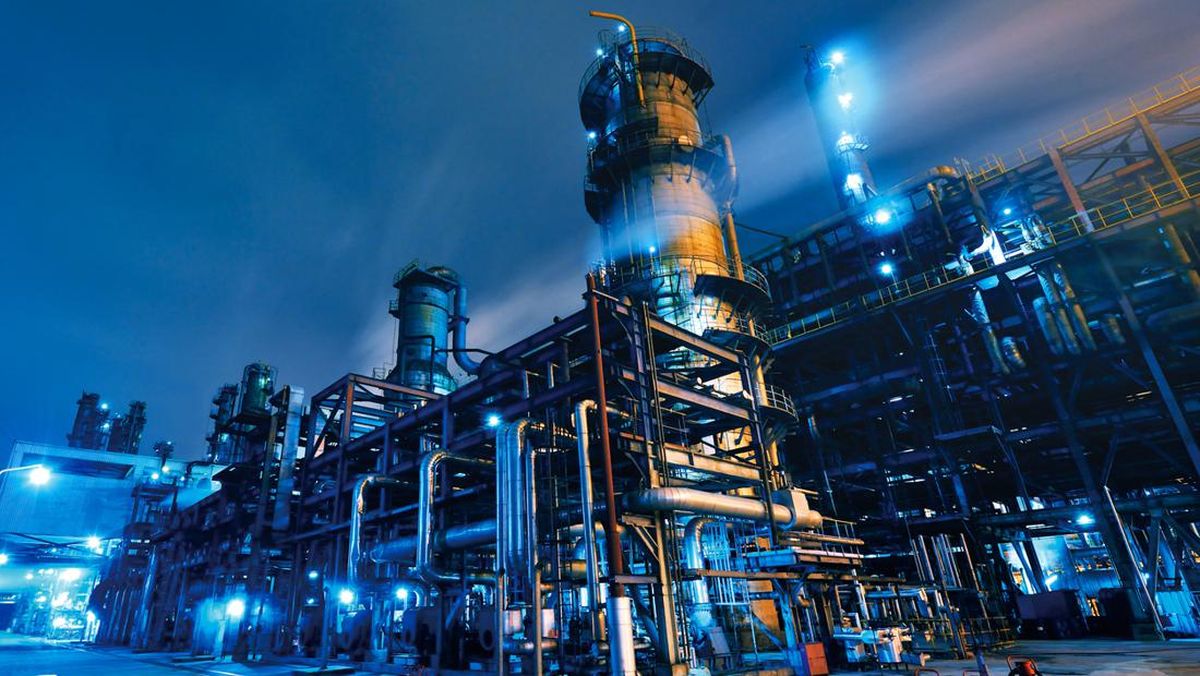
The Middle East crisis is testing Southeast Asia’s energy security, because many countries in the region depend on fuel imports from there.
Before the crisis, about 60% of Southeast Asia’s crude oil imports and a third of its gas imports came from the Middle East.
Governments have used measures such as subsidies, price limits and tax incentives to ease higher energy costs, but these add pressure to public budgets without ending the dependence.
The International Energy Agency estimates that, without changes, the region’s energy import bill could rise from about $80 billion in 2024 to $245 billion in 2035.
Turning back to coal can help meet gas demand, but coal pollution and emissions carry serious health and environmental risks.
The IEA says renewables, electrification and energy efficiency could cut projected energy needs by half, though the changes would require about $400 billion in investment each year.
ASEAN is also considering stronger shared energy reserves, including a proposal for Indonesia to serve as a regional oil-storage hub.

The International Energy Agency says Southeast Asia is vulnerable to Middle East energy disruptions because it relies heavily on supplies from the region.
Before the crisis, about 60 percent of Southeast Asia’s crude oil imports and one-third of its gas imports came from the Middle East.
Governments have used emergency measures such as subsidies and price controls, but these add fiscal pressure without resolving energy dependence.
The IEA estimates the region’s energy import bill could rise from about US$80 billion in 2024 to US$245 billion in 2035 if dependence is not addressed.
The ASEAN Centre for Energy says efficiency, renewable energy and electrification could halve projected energy needs, but would require about US$400 billion in annual investment.
- Who
- Southeast Asian countries and their governments, with analysis from the International Energy Agency and ASEAN Centre for Energy.
- What
- Middle East tensions are exposing the region’s reliance on imported energy and the risks this creates for prices and supply.
- When
- The article was published on November 2, 2026. It discusses the crisis and projections for 2026, 2035 and 2060.
- Where
- Southeast Asia, within the ASEAN region.
- Why
- Most countries in the region rely heavily on energy supplies from the Middle East, while demand is rising with economic growth and industrial expansion.
This story does not have two clearly opposing sides.
Southeast Asia’s energy import bill was about US$80 billion, according to the IEA figure cited in the article.
Then-chair of Indonesia’s Commission XII, Bambang Patijaya, backed an initiative to make Indonesia a regional oil-reserve storage hub.
Zulfikar Yurnaidi discussed ASEAN’s energy needs and regional interests on a CNN Indonesia YouTube programme.
The IEA estimates Southeast Asia’s energy import bill could reach US$245 billion if dependence is not addressed.
The ASEAN Centre for Energy estimates the region’s primary energy needs could be four times their current level.
- Crude oil imports
- About 60 percent came from the Middle East before the crisis
- Gas imports
- About one-third came from the Middle East before the crisis
- Energy import bill
- Projected to rise from about US$80 billion in 2024 to US$245 billion in 2035
- Annual investment
- About US$400 billion needed for the efficiency, renewables and electrification measures described
- Coal pollution
- The IEA estimates coal-related emissions and air pollution contributed to 330,000 premature deaths in the region in 2024
What people are saying
So how do we convince Indonesia, Singapore, Malaysia, and other countries that their national interests and regional interests actually go hand in hand?
Indonesia has a very important geographical advantage, especially because it is located on the world’s energy trade routes. This is an opportunity for Indonesia to strengthen its strategic role in the ASEAN regional energy security system.