

Business · Economy · 2 hrs ago
South Korean budget office expects extra tax revenue to end after 2029
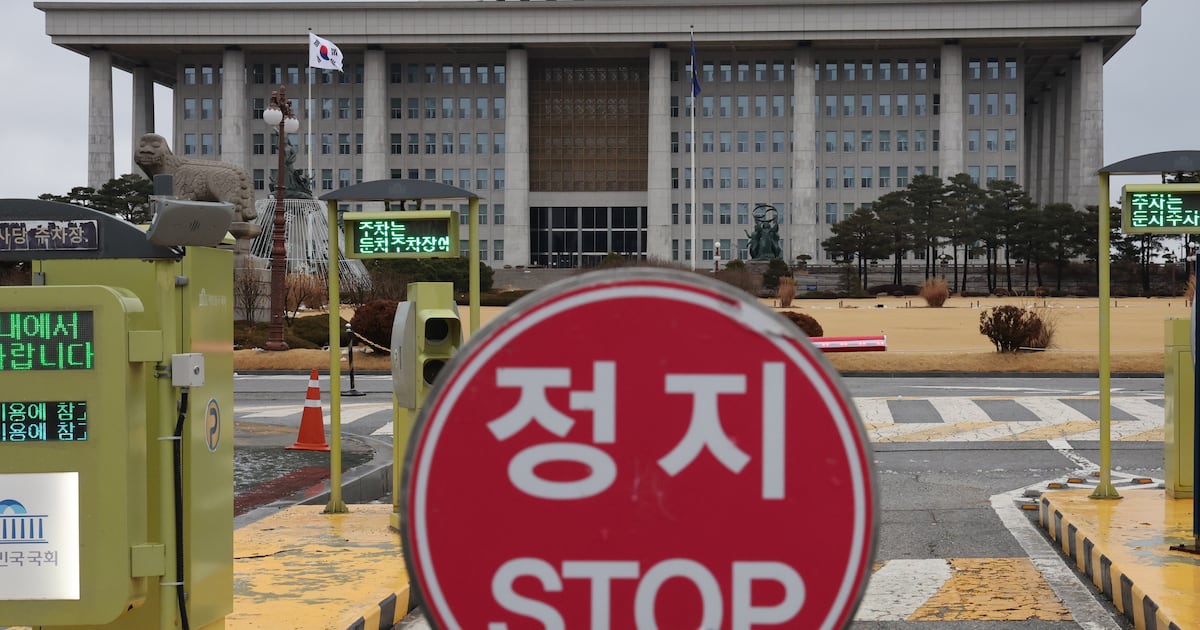
South Korea’s parliamentary budget office expects extra tax revenue to stop after 2029.
That revenue is a key planned funding source for the government’s Future Response Fund, worth about 160 trillion won.
The government expects a semiconductor boom to generate the extra tax revenue.
It plans to use the fund for three major projects, including a semiconductor project in Honam, and investments for younger generations.
The forecast raises questions about whether the planned revenue will be available to support those commitments after 2029.
The government’s plans for the fund depend in part on extra revenue that may not continue.

South Korea’s National Assembly Budget Office expects additional tax revenue to stop after 2029.
The forecast concerns a funding source for the government’s planned Future Response Fund, valued at about 160 trillion won.
The government plans to use additional revenue linked to a semiconductor boom for three major projects, including “Honam Semiconductor,” and investment for young people.
The forecast was reported on the 1st, according to the article.
- Who
- South Korea’s National Assembly Budget Office issued the forecast. The government plans to use the revenue.
- What
- The office expects additional tax revenue to end after 2029.
- When
- The forecast was reported on the 1st; the article does not state the month or year.
- Where
- South Korea.
- Why
- The government plans to use additional revenue linked to a semiconductor boom to fund major projects and investment for young people.
This story does not have two clearly opposing sides.
This story does not have a timeline yet.
- Forecast
- Additional tax revenue is expected to stop after 2029
- Fund
- Future Response Fund valued at about 160 trillion won
- Revenue source
- Additional tax revenue linked to a semiconductor boom
- Planned uses
- Three major projects, including “Honam Semiconductor,” and investment for young people