

Politics · Other · 3 hrs ago
Israeli Election Leaves Netanyahu and Opposition Without a Clear Path to Power
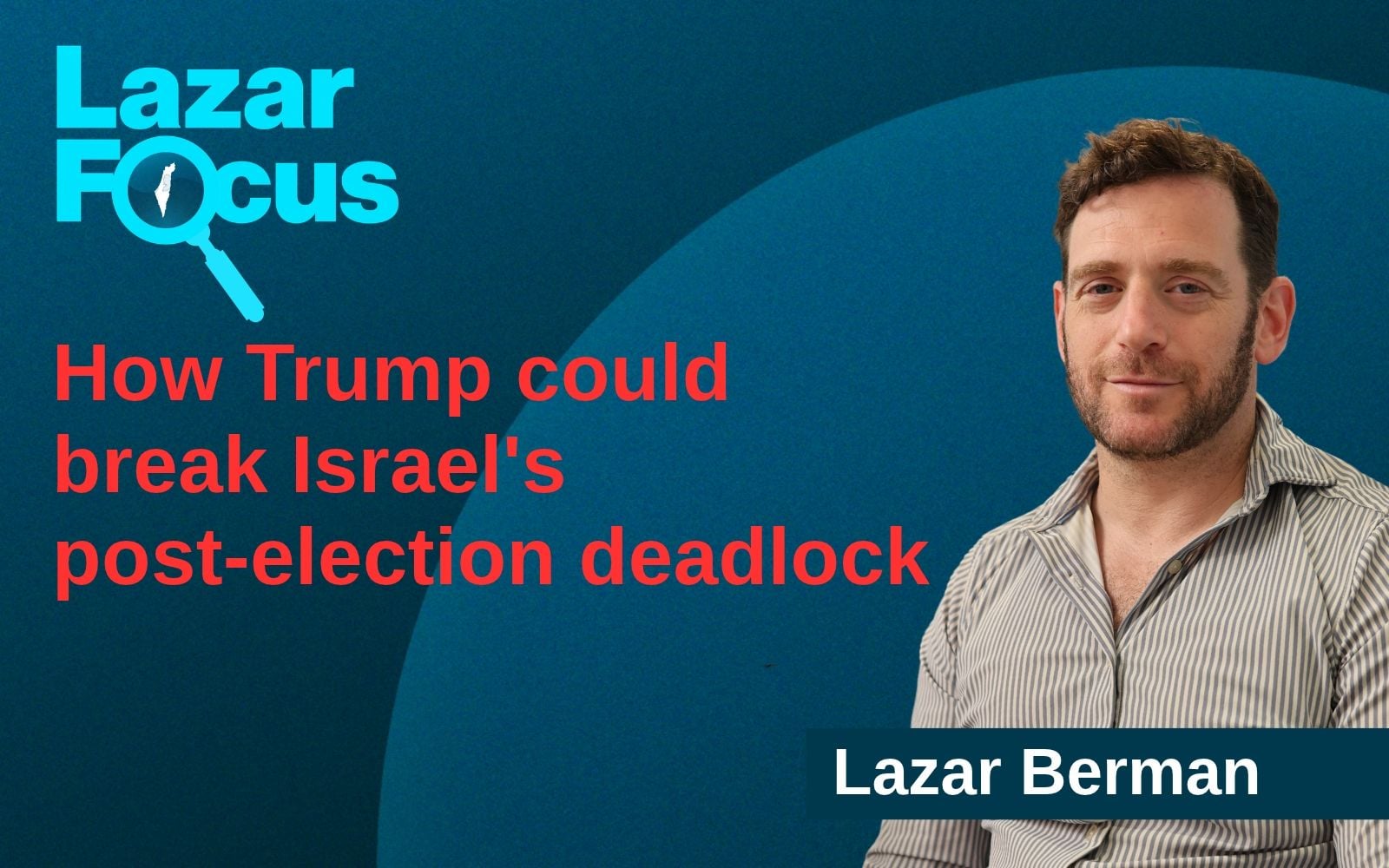
Israel’s election left both major blocs short of a clear path to government.
Benjamin Netanyahu’s bloc and the opposition bloc led by Gadi Eisenkot each lack the 61 seats needed for a majority.
Arab parties won 19 seats and could hold the balance, though most opposition parties have said they will not govern with them.
The result follows a large increase in turnout among Arab voters, while Netanyahu has alleged that Arab voters were paid to cast ballots.
A unity government is one possible way out, but Netanyahu wants to lead it and the opposition camp campaigned to remove him.
US President Donald Trump could press party leaders to agree on a deal, possibly including a rotating premiership, but that is only a proposal.
If talks fail, Israel could face another election, which one analysis says would extend the deadlock and cost the economy more than $1 billion.

Neither Benjamin Netanyahu’s bloc nor the opposition led by Gadi Eisenkot has a clear path to the 61 seats needed to form a government.
The election results showed little change in Israelis’ voting patterns compared with four years ago, according to The Times of Israel.
A large turnout in the Arab sector increased the importance of Arab parties, though most opposition parties have said they will not join a government with them.
A unity government and another election are among the possibilities raised in the articles.
The Times of Israel says US President Donald Trump could try to encourage a unity arrangement, but any such intervention remains uncertain.
- Who
- Israeli voters, and the parties led by Benjamin Netanyahu and Gadi Eisenkot. Arab parties may have a decisive role in government formation.
- What
- The election left neither major bloc with a clear path to forming a government.
- When
- Israelis voted on Tuesday, the first election since the Hamas invasion of October 7, 2023.
- Where
- Israel.
- Why
- Neither the Netanyahu bloc nor the Eisenkot-led opposition has a clear route to 61 seats. The large Arab-sector turnout further complicates coalition talks.
Netanyahu bloc
Eisenkot-led opposition bloc
Leadership
Netanyahu bloc
Netanyahu would want to lead a unity government, according to The Times of Israel.
Eisenkot-led opposition bloc
The opposition bloc campaigned to oust Netanyahu.
Coalition options
Netanyahu bloc
The article says a unity government could involve Netanyahu and the opposition.
Eisenkot-led opposition bloc
Most opposition parties have said they will not sit with the two Arab parties, which also want Netanyahu out of power.
Israelis went to the polls for the first time since the Hamas invasion of October 7, 2023.
Results showed that neither the Netanyahu bloc nor the Eisenkot-led opposition had a clear path to 61 seats.
- Seats needed
- 61 to form a government, according to The Times of Israel
- Netanyahu bloc
- Around 54 seats, according to Daily Sabah
- Opposition bloc
- Around 49 seats, according to Daily Sabah
- Arab bloc
- 19 seats, according to Daily Sabah
- Possible repeat election cost
- More than $1 billion to the economy, according to The Times of Israel
3 sources
What people are saying
The Arabs are flooding the polls. Turnout is very high. Please, go out and vote, or the Torah bloc, the Jewish bloc, will collapse.