

Health · Public Health & Disease · 1 hr ago
Study finds Giardia in 6.3% of tested North American cats
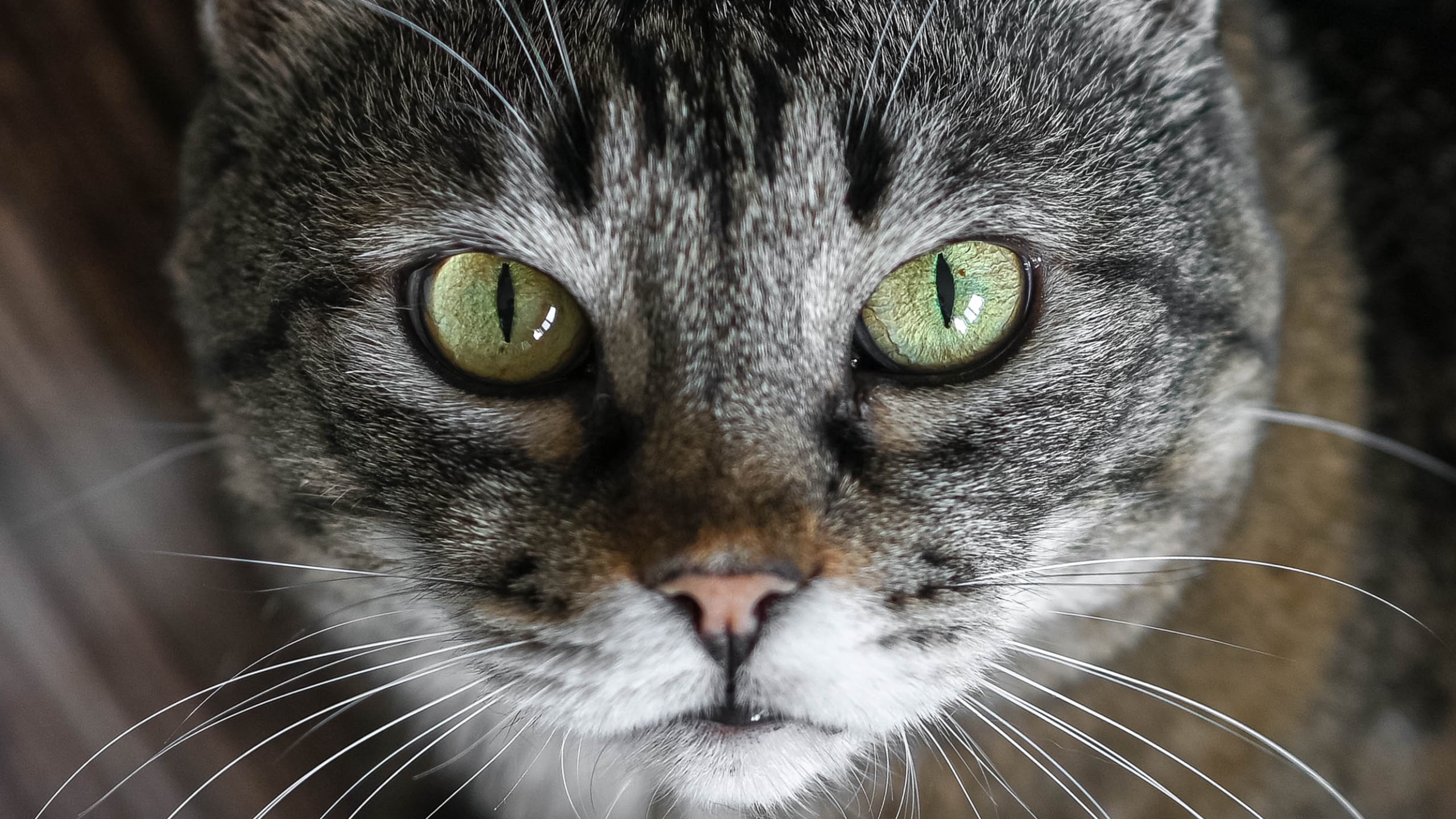
A study of more than 157,000 stool samples from cats in the US and Canada found Giardia in 6.3% of samples.
Giardia duodenalis is a parasite that can infect cats and people, though most infections do not cause symptoms.
In some cases, it causes giardiasis, which can bring diarrhea, abdominal pain and weakness.
About 1.2% of all samples had variants with potential to infect people, according to the researchers.
Kittens had higher infection rates than senior cats, and detection rates were higher in winter than summer.
The findings suggest the parasite can pose a public health concern, but the study does not say how often cats pass it to people.
The researchers say its prevalence warrants caution and careful monitoring.

Researchers detected Giardia duodenalis in 6.3% of more than 157,000 stool samples from domestic cats in the United States and Canada.
The study identified parasite variants with potential to infect humans in 18.5% of positive samples.
Kittens had a higher detection rate than senior cats, and rates varied by region and season.
The researchers said the parasite’s ability to infect people and animals makes it a public health concern.
- Who
- Researchers led by veterinarian Margaret Wingerd studied samples from domestic cats.
- What
- The study detected Giardia duodenalis in 6.3% of tested samples; some positive samples carried variants with potential to infect humans.
- When
- Published October 17, 2026. The sample collection dates are not stated.
- Where
- The United States and Canada.
- Why
- The researchers investigated how common the parasite is in domestic cats and noted its potential to infect people and animals.
This story does not have two clearly opposing sides.
This story does not have a timeline yet.
- Samples analyzed
- More than 157,000
- Positive samples
- 9,962, or 6.3%
- Potentially zoonotic variants
- 1,840 positive samples, or 18.5%
- Highest overall regional rate
- US Midwest, 7.8%
- Seasonal detection rates
- 4.6% in summer; 8.1% in winter
1 source
What people are saying
Given the ability of G. duodenalis to infect a wide variety of hosts including people and animals, this protozoan can present a public health concern
G. duodenalis cysts can survive for a prolonged time in cool and moist environments