

Science & Tech · Science & Environment · 6 hrs ago
Acorn crops can forecast Lyme-spreading tick increases nearly two years ahead
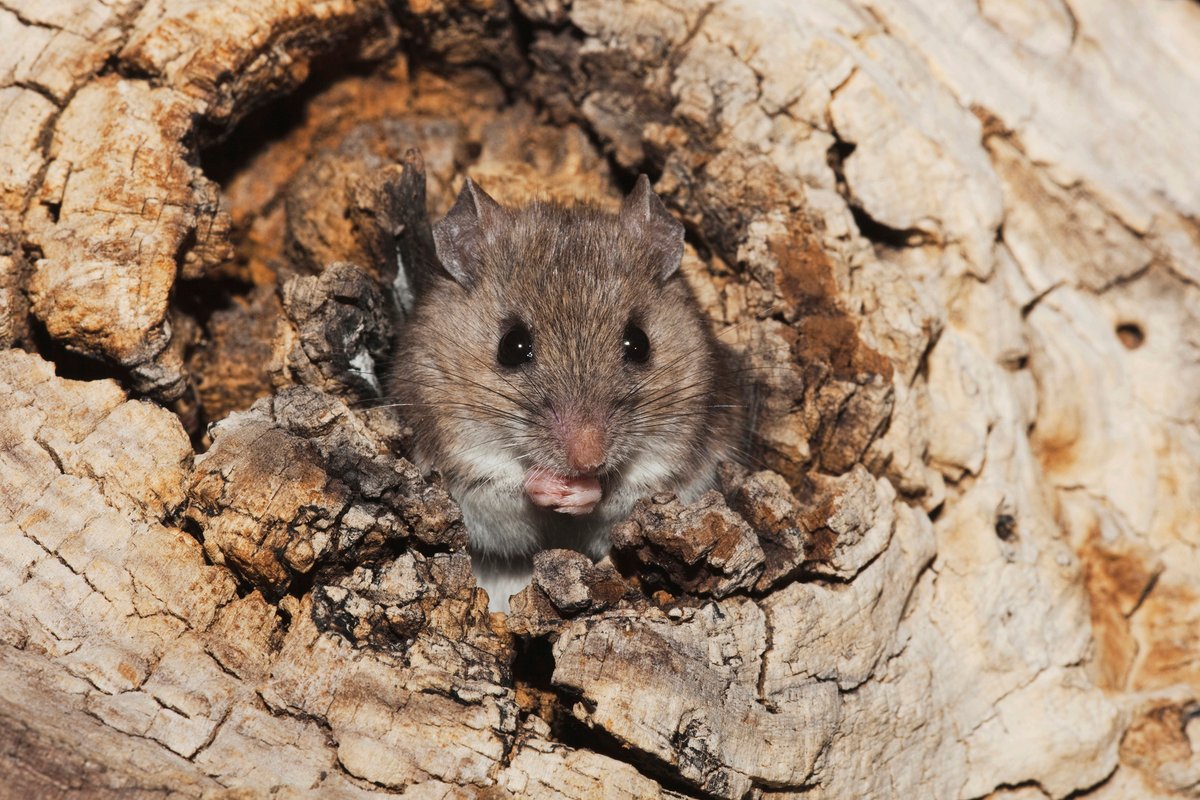
A large acorn crop can signal a future rise in Lyme-spreading ticks nearly two years in advance, researchers found.
The finding comes from a 35-year study of forested areas in New York State.
When red oak acorns are plentiful in fall, more white-footed mice survive winter, and their numbers rise the following summer.
More mice can mean more young ticks survive to become nymphs, which are a major source of Lyme infections in people.
Deer still matter because adult ticks feed on them before laying eggs, but small changes in deer numbers did not appear to affect tick numbers where deer were abundant.
The study found more nymphs, not necessarily more ticks carrying Lyme bacteria, and warmer weather’s overall effect on Lyme risk remains unclear.
The researchers say acorn production can help forecast risk, but the study does not establish what will happen to Lyme risk as the climate warms.

A 35-year study in New York State found that red oak acorn production can help forecast increases in Lyme-spreading tick nymphs almost two years ahead.
Abundant acorns in fall help more white-footed mice survive winter, and mouse numbers rise the following summer.
More mice can lead to more tick nymphs the next year because mice are effective hosts for tick larvae and Lyme bacteria.
The study was published in Proceedings of the National Academy of Sciences USA.
Researchers caution that deer remain essential to tick reproduction and that warmer weather’s overall effect on Lyme disease risk is unclear.
- Who
- Researchers studying tick populations in New York State, including lead author Richard Ostfeld.
- What
- A 35-year study found that acorn production can help forecast increases in Lyme-spreading tick nymphs almost two years ahead.
- When
- Published November 8, 2026.
- Where
- Forested areas in New York State.
- Why
- Abundant acorns support white-footed mice, which are effective hosts for tick larvae and Lyme bacteria.
This story does not have two clearly opposing sides.
Abundant red oak acorns provide food that helps more white-footed mice survive winter.
White-footed mouse populations rise.
More mice can lead to more tick nymphs.
Scientific American reported on the 35-year study, published in Proceedings of the National Academy of Sciences USA.
- Study duration
- 35 years
- Study location
- Forested areas in New York State
- Acorn species
- Red oak
- Mouse species
- White-footed mice
- Lead author
- Richard Ostfeld
What people are saying
We can predict which years will be really bad [for Lyme infections] almost two years in advance based on acorn production.
Climate warming seems to allow the ticks to expand into new areas that were formerly too harsh, but once ticks are established, warming might not cause populations to grow.
Thirty-five years of research on any ecological system is really incredible because long-term studies are very rare in any field, especially in tick-borne diseases.
you can’t have ticks without deer