

Politics · Turkey · 14 hrs ago
Turkey seeks easier Schengen visas for truck drivers
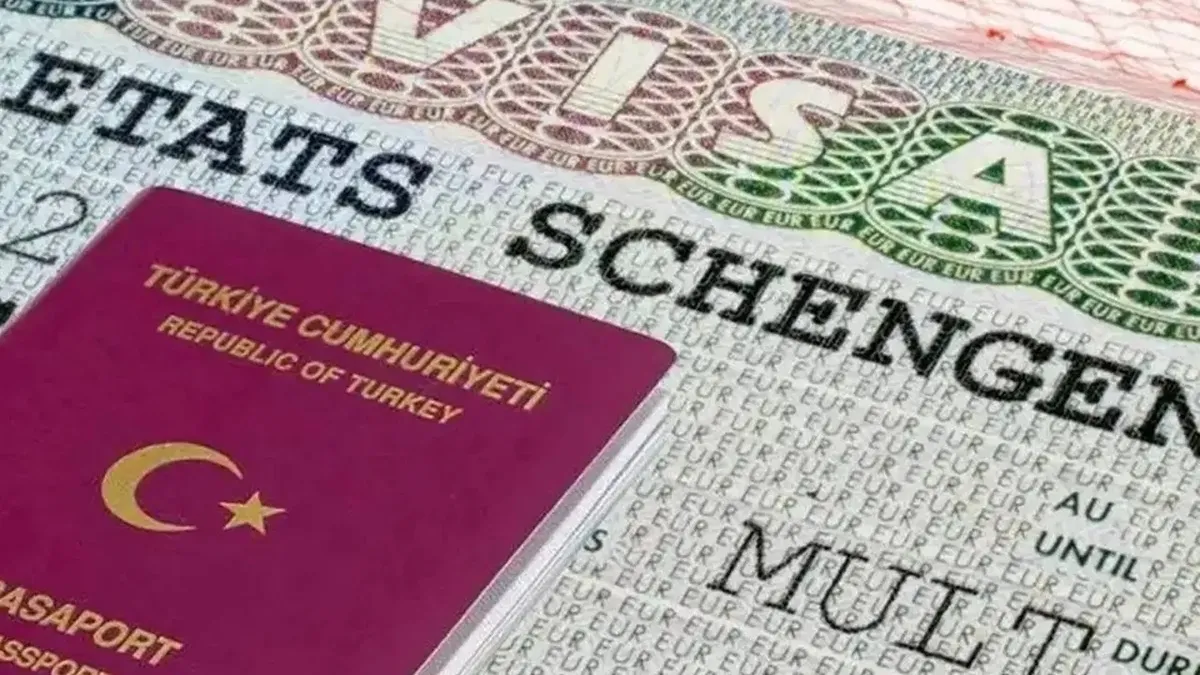
Turkey’s three ministries are working to ease Schengen visa problems faced by international truck drivers.
The difficulties include visa access and the 90-days-in-180-days stay limit, which can affect drivers’ ability to work across the Schengen area.
Problems have been reported at the Kapıkule and Hamzabeyli border crossings in Edirne.
Turkey has asked Bulgaria and European Commission officials for easier visas and priority processing for professional drivers.
Bulgarian officials say the rules are part of the Schengen system and have said they will take the issue to the European Commission.
The visa and border delays matter because they can disrupt international transport and the movement of export goods.
The ministries say diplomatic efforts are continuing, while advising trucking companies and drivers to follow current visa rules and plan trips around permitted stays.

Turkey’s trade, foreign affairs and transport ministries are seeking easier Schengen visa procedures for international truck drivers.
They have asked Bulgarian officials and European Commission representatives for visa facilitation and flexibility, including priority processing.
Drivers face visa restrictions and application problems, particularly at the Kapıkule and Hamzabeyli border crossings in Edirne.
The ministries are also addressing problems linked to the Schengen rule allowing stays of 90 days within any 180-day period.
Turkey says the effort aims to prevent disruption to international transport and exports, while urging carriers and drivers to follow current visa rules.
- Who
- Turkey’s trade, foreign affairs and transport ministries are coordinating the effort, involving Bulgarian officials and European Commission representatives.
- What
- Turkey is seeking easier Schengen visa procedures and priority processing flexibility for professional truck drivers.
- When
- The reports were published on October 29, 2026; one report says Trade Minister Ömer Bolat met Bulgaria’s interior minister that day.
- Where
- The issue affects Turkish international truck drivers, including at the Kapıkule and Hamzabeyli crossings in Edirne.
- Why
- Visa restrictions and application problems are affecting drivers and international transport; Turkey wants to avoid disruption to exports.
Turkey
Bulgarian authorities
National-level action
Turkey
Turkey is seeking visa facilitation and flexibility for professional drivers.
Bulgarian authorities
Bulgarian officials said the issue is governed by the EU’s Schengen system and cannot be directly changed at national level.
Next steps
Turkey
Turkey is pursuing diplomatic contacts with Bulgaria and the European Commission.
Bulgarian authorities
Bulgarian officials said they would raise the matter with relevant European Commission contacts and request flexibility.
Trade Minister Ömer Bolat met Bulgaria’s Interior Minister Ivan Demerdhziev to discuss speeding up border crossings and resolving problems faced by Turkish drivers.
Turkish officials said contacts with European Commission representatives were continuing on the issues discussed.
Foreign Minister Hakan Fidan and Transport Minister Abdulkadir Uraloğlu held separate contacts with Bulgarian counterparts about speeding up crossings and addressing driver problems.
Bolat spoke by teleconference with the International Transporters’ Association’s Board of Presidents about driver visa issues and the 90-days-in-180-days rule.
- Ministries involved
- Trade, Foreign Affairs, and Transport and Infrastructure
- Bulgarian meeting
- Ömer Bolat and Ivan Demerdhziev, October 29, 2026
- Border crossings mentioned
- Kapıkule and Hamzabeyli, Edirne
- Schengen stay rule
- 90 days within 180 days
2 sources
What people are saying
Our Trade Minister Ömer Bolat, who continues working to resolve the problems faced by our international transport sector, is intensifying diplomatic initiatives to address the problems our drivers experience in Schengen visa processes, in coordination with our Ministries of Foreign Affairs and Transport and Infrastructure.
The application is carried out within the framework of the European Union’s Schengen system and there is no possibility of direct intervention at the national level.