

Health · Healthcare & Policy · 1 hr ago
Health experts urge open discussion of intimacy in dementia care
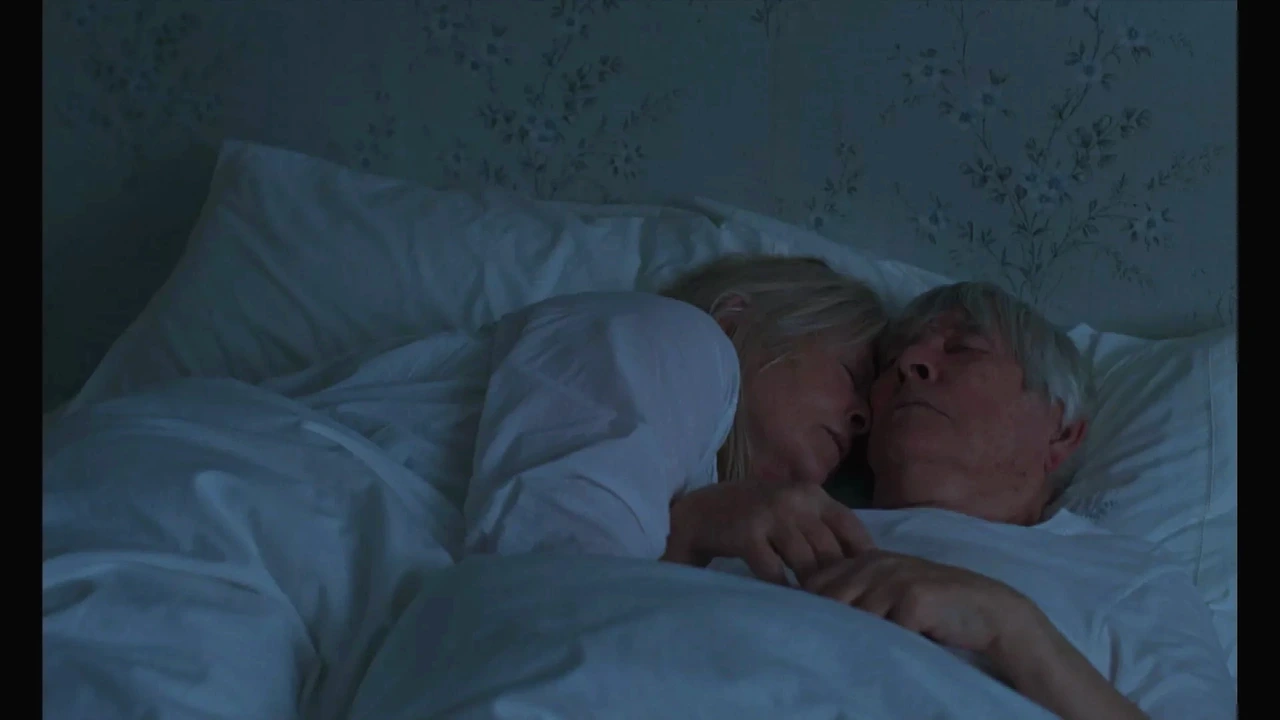
A health psychologist and a care sexologist want caregivers to discuss intimacy with people with dementia and their partners.
They say the subject is often avoided both in people’s homes and in nursing homes, partly because some caregivers assume older people no longer want sex.
Dementia can affect a person’s ability to make some decisions, but it does not automatically mean they cannot choose a relationship.
In nursing homes, residents may form friendships or romantic relationships and become physically intimate.
Care staff should watch for signs that both people want the relationship, including whether either seems afraid, unhappy or dominated.
If there is any sign of unwillingness, the person must be protected, while a positive relationship should not be ended just because a partner or family objects.
Caregivers should prepare families for the possibility of new relationships, which can bring residents comfort but may also cause grief for a partner at home.

Health experts are urging care workers to discuss intimacy and sexual wishes with people with dementia and their partners.
Health psychologist Frans Hoogeveen says care managers often avoid raising the subject because they see it as private.
Sexologist Sara Vegt says dementia does not automatically mean someone cannot consent to relationships.
Care staff should observe whether both people want the relationship and protect anyone who shows signs of not wanting it.
New relationships in care homes can be painful for partners and families, but residents also have rights, Vegt says.
- Who
- Health psychologist Frans Hoogeveen and elder-care sexologist Sara Vegt are urging discussion of intimacy in dementia care.
- What
- They say care workers should discuss intimacy and sexual wishes, and assess whether relationships are wanted by both people.
- When
- The article was published on 7 November 2026.
- Where
- The discussion concerns care at home and in nursing homes.
- Why
- The experts say intimacy remains important for many older people, while dementia does not automatically remove the ability to form relationships.
Frans Hoogeveen and Sara Vegt
Some care professionals who say sexuality no longer fits a relationship when one person has dementia
Whether intimacy can continue
Frans Hoogeveen and Sara Vegt
Dementia does not automatically mean someone cannot enter a relationship; residents’ rights should be respected when contact is positive and wanted.
Some care professionals who say sexuality no longer fits a relationship when one person has dementia
Sexuality may no longer fit in a relationship when someone has dementia.
How to assess consent
Frans Hoogeveen and Sara Vegt
Staff should observe whether both people seek each other out, seem happy or anxious, and whether one person is dominant.
Some care professionals who say sexuality no longer fits a relationship when one person has dementia
Not stated.
Hoogeveen said care managers he teaches often avoid raising intimacy because they see it as a private subject.
NOS published the experts’ call to discuss intimacy and sexuality in dementia care.
- Experts
- Frans Hoogeveen and Sara Vegt
- Care setting
- At home and in nursing homes
- Care institution
- Pieter van Foreest
- Film cited
- Queen at Sea, directed by Lance Hammer
- Published
- 7 November 2026
What people are saying
Case managers often see it as a private subject and are reluctant to bring it up.
If there is even one sign that one of the two does not want it, that person deserves our full protection.
Having dementia may make you incapable of making financial decisions and signing contracts, but that does not automatically mean you are incapable of entering relationships, sexual or otherwise.
But if the contact between the residents is entirely positive, you cannot separate two people just because the partner or children want that.