

World · Europe · 3 hrs ago
DNA study finds population continuity in medieval Sicily
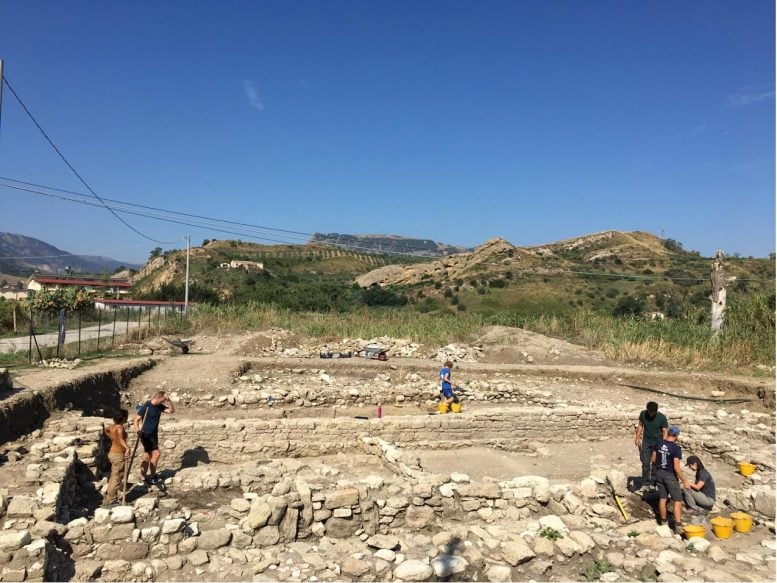
Researchers analyzed DNA from 111 people buried at 19 archaeological sites across Sicily.
Their remains span the Roman Age to the Late Middle Ages, a period when Sicily passed between several ruling powers, including Roman, Byzantine, Islamic and Norman authorities.
The DNA showed that people in Christian and Muslim cemeteries had similar ancestry linked to North Africa, Europe and the Mediterranean.
The findings also indicate that people of sub-Saharan African descent lived on Sicily during the medieval period.
This diversity persisted despite repeated conquests, challenging the idea that rulers’ changes led to large-scale population replacement; researchers say Christians and Muslims largely lived in prosperous, multi-faith societies until the early 13th century.
More archaeological sites are needed to build a fuller picture of how people in Sicily and across the Mediterranean lived and changed over time.

Ancient DNA analysis suggests Sicily’s genetic diversity persisted through successive conquests, indicating population continuity despite political upheaval.
The study analyzed DNA from 111 people whose remains were excavated at 19 archaeological sites across Sicily.
People buried in Christian and Muslim cemeteries had similar ancestries linked to North Africa and the European and Mediterranean region.
The findings also indicate that people of sub-Saharan African descent lived on Sicily throughout the medieval period.
The research, published in PLOS One, examines individuals whose remains span the Roman Age to the Late Middle Ages.
- Who
- Researchers led by Aurore Monnereau, with colleagues including Nathan Wales, at the University of York.
- What
- A study of ancient DNA found evidence of population continuity and persistent genetic diversity in medieval Sicily.
- When
- The study was published on 24 June 2026.
- Where
- At 19 archaeological sites across Sicily.
- Why
- The researchers examined ancestry over time and sought to restore perspectives of everyday people often missing from historical records.
This story does not have two clearly opposing sides.
Sicily passed through the hands of Roman and Byzantine empires, Islamic dynasties, and the Normans and Swabians.
Sicily became part of the Holy Roman Empire.
The study was published in PLOS One.
- DNA samples
- 111 individuals
- Archaeological sites
- 19 across Sicily
- Study publication
- 24 June 2026, PLOS One
- Ancestry findings
- North Africa and the European and Mediterranean region
- Historical span
- Roman Age to the Late Middle Ages
What people are saying
Contrary to some past ideas, we can see this period shouldn’t be considered to be the ‘Dark Ages,’ but rather a dynamic period with interactions and distant connections.
From the individuals’ DNA, we see people buried in Christian and Muslim cemeteries had similar ancestries stemming from North Africa and the European and Mediterranean area.
Through the analysis of ancient DNA, our study seeks to restore some of those missing voices.
The study has shed a new light on people who traditionally don’t appear in the historical record, showing Christians and Muslims to have largely lived in prosperous multi-faith societies until the early thirteenth century, when Sicily became part of the Holy Roman Empire.